Rutland, MA · Worcester County
Temperature-Controlled Drying in Rutland, MAMoisture Mapping & Rapid Structural Drying Services
For Temperature-Controlled Drying in Rutland, local temperature-controlled drying specialists handle thermal drying for water damage, humidity control for restoration, and drying equipment deployment to prevent mold.
Answered 24/7
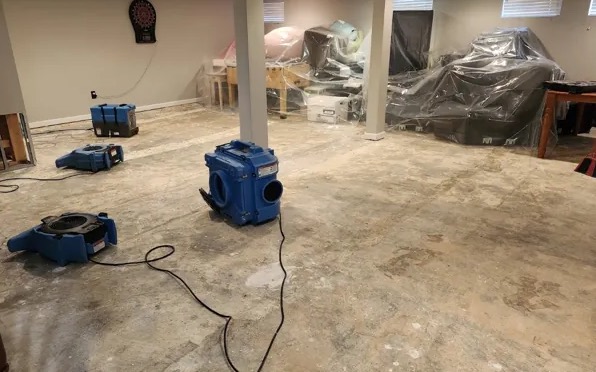
Local Temperature-Controlled Drying Solutions for Rutland Homes
In Rutland, materials dry at different rates. Local pros map moisture content so each material gets the drying it needs.
In Rutland and nearby Paxton, Holden and Barre, local pros map moisture in walls and subfloors, then fit thermal drying and humidity control to the materials in the building.
Temperature-Controlled Drying Services in Rutland
Moisture Mapping
The specialists take moisture readings at many points and depths to map every wet area and set drying goals, so nothing is missed.
Rapid Structural Drying Services
Fast structural drying uses high-velocity air movers, industrial dehumidifiers and sometimes heat, so families in Rutland can return home sooner and mold does not start.
Climate-Controlled Drying Systems
Dehumidifiers and air movers keep the air in a contained space warm and dry, so moisture moves out of materials faster.
Drying Equipment Deployment
The specialists set up LGR dehumidifiers, axial fans and cavity drying systems to work together on the wet structure.
Water Damage Drying Logs
The specialists create detailed, timestamped drying logs. These records track initial readings, daily progress, and final verification, providing proof that industry-standard drying was followed.
Warning Signs Requiring Temperature-Controlled Drying in Rutland
Soft Drywall or Sagging Ceiling
Drywall feels spongy to the touch or a ceiling sags downward. This softness means the material is saturated and structurally compromised.
Equipment Running With No Result
Fans or dehumidifiers that run for days without drying the area mean the moisture is deeper than household equipment can reach.
Moisture Meter Shows High Readings
A moisture meter reading high inside walls or floors means drying is not finished.
Damp Odors Persisting After Water
A musty smell lingers even after visible water is gone, indicating hidden moisture. That odor often signals mold or trapped dampness.
How Temperature-Controlled Drying Works in Rutland
Step 1: Establishing the Drying Environment
The first step involves preparing the area by removing debris and setting up containment if needed.
Step 2: Implementing the Drying Array
Air movers and dehumidifiers are paired in a planned layout to dry walls and floors.
Step 3: Executing Temperature-Controlled Drying
The system executes temperature-controlled drying, maintaining ideal conditions to draw moisture out of materials.
Step 4: Final Verification and Documentation
Final verification compares moisture readings in affected materials to known dry standards in the home.
What Leads to Needing Temperature-Controlled Drying in Rutland
Inadequate Initial Water Extraction
Water left behind after a leak or flood moves into subfloors and walls, where it is harder to dry.
Poor Ventilation After a Flood
Closing up a wet room traps humid air, which slows drying and lets moisture soak further into materials.
Storm-Driven Water Intrusion
Heavy rain overflows gutters or gets in around windows and soaks framing and insulation.
Appliance Malfunction or Overflow
A failed washing machine hose, water heater or dishwasher can release many gallons onto the floor.
Residential & Commercial Temperature-Controlled Drying in Rutland
Residential Temperature-Controlled Drying
At home, moisture hides in attics, crawl spaces and behind finished walls. Pros map it before setting up equipment so the whole house dries.
Commercial Temperature-Controlled Drying
In offices, schools and clinics, pros use quieter drying equipment that can run in occupied spaces, and document when drying is complete.
Professional Temperature-Controlled Drying vs. Do-It-Yourself in Rutland
Photograph all affected areas and items for insurance and move undamaged belongings to a dry room. Drying the structure takes industrial equipment that DIY gear cannot replace.
Factors in Temperature-Controlled Drying Pricing for Rutland, MA
In Rutland, the cost depends on how much drying equipment is used and how long it runs, plus the moisture readings taken along the way.
Moisture Mapping Complexity
Checking moisture in layered floors or hidden cavities takes more time and equipment.
Humidity Control Measures
Controlling humidity in tight spaces often takes specialized drying equipment and frequent adjustments.
Extent of Water Damage
The larger the area that needs drying, the more equipment and labor the job takes.
Does Insurance Cover Temperature-Controlled Drying?
Many homeowner policies cover temperature-controlled drying when it stems from a sudden, covered peril like a burst pipe. The specialists document all damage with photos and moisture readings for your claim submission.
Why Choose Local Specialists for Temperature-Controlled Drying in Rutland
Targeted Thermal Drying
Applying directed heat energy safely accelerates the drying of dense materials, reducing the overall timeline for the restoration project.
Humidity Control for Restoration
Keeping the air dry draws moisture out of materials until the space is stable.
Structural Drying
The focus is on quickly extracting moisture from structural components to minimize warping, swelling, or the potential for mold growth.
24/7 Emergency Temperature-Controlled Drying in Rutland
Stop water damage from getting worse while materials sit wet. Call (508) 219-6294 24/7 for drying help from the pros in Rutland.
Call Now (508) 219-6294Temperature-Controlled Drying Available Throughout Worcester County
Climate-controlled and thermal drying are available in Rutland and surrounding places including Paxton, Holden and Barre.
- Temperature-Controlled Drying in Paxton
- Temperature-Controlled Drying in Holden
- Temperature-Controlled Drying in Barre
- Temperature-Controlled Drying in West Boylston
- Temperature-Controlled Drying in Leicester
- Temperature-Controlled Drying in Shrewsbury
- Temperature-Controlled Drying in Spencer
- Temperature-Controlled Drying in Sterling
- Emergency Damage Restoration in 01543
- Storm Damage Restoration in 01543
- Water Damage Restoration in 01543
- Water Extraction Service in 01543
- Water Leak Detection in 01543
- Water Removal Service in 01543
Your Temperature-Controlled Drying Questions Addressed
What materials benefit most from controlled drying systems?
Porous structural materials like drywall, wood framing, and concrete, as well as contents like documents and furniture, benefit greatly from controlled, gradual drying to prevent ruin.
What should a property owner do while waiting for help with drying?
If safe, remove obvious standing water with a mop or towels, move dry contents away from the wet area, and avoid using household fans which can spread contaminants.
How is drying progress verified during moisture monitoring?
Progress is verified by taking comparative moisture readings with penetrating and non-penetrating meters over time, ensuring levels drop to established dry standards for each material.
Is temperature-controlled drying safe for electronics or artwork?
Yes, when the pros use low heat and careful humidity control, it can be safe for drying sensitive materials and belongings.
What does drying equipment deployment involve?
Pros assess the loss, calculate how much equipment is needed and place air movers, dehumidifiers and sometimes heaters.