Sterling, MA · Worcester County
Temperature-Controlled Drying in Sterling, MAHumidity Control For Restoration & Climate-Controlled Drying Systems
In Sterling, Temperature-Controlled Drying from local moisture control experts covers climate-controlled drying systems, moisture mapping, and drying equipment deployment to dry a structure effectively.
Answered 24/7
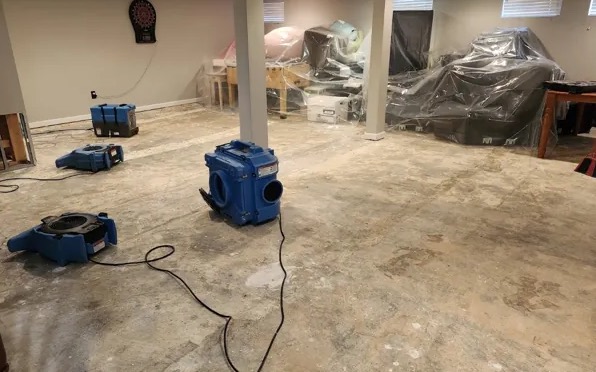
Targeted Temperature-Controlled Drying for Properties in Sterling
In Sterling, the air itself can slow drying. Local pros run industrial dehumidifiers to strip moisture from the air so wet materials dry faster.
In Sterling and nearby Lancaster, Clinton and West Boylston, fast structural drying stops mold before it starts. Local pros map moisture, then use LGR dehumidifiers and planned air mover placement until readings are normal.
Specialized Temperature-Controlled Drying Offerings in Sterling, MA
Humidity Control for Restoration
Dehumidifiers lower the dew point in the affected area, so materials give up their moisture more easily.
Climate-Controlled Drying Systems
Advanced systems allow precise manipulation of the drying environment. By controlling the dew point, the experts can aggressively dry contents without risk.
Rapid Structural Drying Services
Rapid drying mitigates risk of long-term weaknesses or rot in wooden structures. The experts use specialized techniques like injecting dry air into wall cavities.
Water Damage Drying Logs
The experts create detailed, timestamped drying logs. These records track initial readings, daily progress, and final verification, providing proof that industry-standard drying was followed.
Drying Equipment Deployment
The experts choose the mix of air movers, dehumidifiers and heaters from the size of the area, the materials and the moisture levels, then set it up to run safely.
When to Call for Temperature-Controlled Drying in Sterling, MA
Damp Odors Persisting After Water
A musty smell lingers even after visible water is gone, indicating hidden moisture. That odor often signals mold or trapped dampness.
Visible Mold Growth in Corners
Black, green or white specks in damp corners or on baseboards are usually mold, which means moisture has been there a while.
Equipment Running With No Result
Fans or dehumidifiers that run for days without drying the area mean the moisture is deeper than household equipment can reach.
Discoloration on Drywall or Ceilings
Yellow or brown water stains appear on surfaces that seem dry. These stains suggest moisture is still present inside the wall cavity.
How Temperature-Controlled Drying Works in Sterling
Step 1: Establishing the Drying Environment
The first step involves preparing the area by removing debris and setting up containment if needed.
Step 2: Implementing the Drying Array
Air movers and dehumidifiers are paired in a planned layout to dry walls and floors.
Step 3: Executing Temperature-Controlled Drying
The system executes temperature-controlled drying, maintaining ideal conditions to draw moisture out of materials.
Step 4: Final Verification and Documentation
Final verification compares moisture readings in affected materials to known dry standards in the home.
What Leads to Needing Temperature-Controlled Drying in Sterling
Roof Leak During Heavy Rain
Wind-driven rain through a damaged roof or flashing can run down inside wall cavities, where it needs targeted drying.
Undetected Plumbing Leaks
A slow drip behind a wall or under a slab saturates materials over time.
HVAC System Condensation Issues
A clogged condensate drain line causes an overflow inside the air handler. This water can soak insulation and ductwork, creating a hidden moisture issue.
Overflowing Sinks or Bathtubs
A simple blockage or forgetfulness leads to an overflow event. Water spreads quickly, soaking cabinetry and flooring, and requires thorough drying equipment deployment.
Temperature-Controlled Drying for All Property Types in Sterling
Residential Temperature-Controlled Drying
In condos and apartments, containment barriers and negative air machines keep moisture from moving into neighboring units while drying runs.
Commercial Temperature-Controlled Drying
Restaurants and food service businesses need rapid, sanitary drying to comply with health regulations after a water event. The pros use specialized equipment and antimicrobial treatments during the drying process.
Temperature-Controlled Drying vs. DIY Drying in Sterling
Photograph all affected areas and items for insurance and move undamaged belongings to a dry room. Drying the structure takes industrial equipment that DIY gear cannot replace.
Understanding Temperature-Controlled Drying Cost in Sterling
In Sterling, the cost depends on how much drying equipment is used and how long it runs, plus the moisture readings taken along the way.
Extent of Water Damage
The larger the area that needs drying, the more equipment and labor the job takes.
Access and Logistics
Challenging site access in Sterling can complicate equipment deployment and placement, potentially increasing setup time and labor requirements.
Moisture Mapping Complexity
Checking moisture in layered floors or hidden cavities takes more time and equipment.
Does Insurance Cover Temperature-Controlled Drying?
Humidity control for restoration following a water incident might be considered under the drying portion of a claim. The pros in Sterling provide precise documentation of the controlled drying systems used and the results achieved.
Why Choose Local Moisture Control Experts for Temperature-Controlled Drying in Sterling
IICRC-Standard Drying Methods
Drying follows industry guidelines and is checked with meters, which keeps framing and floors from staying wet.
Structural Drying
The focus is on quickly extracting moisture from structural components to minimize warping, swelling, or the potential for mold growth.
24/7 Emergency Response
Quick action is critical to limit secondary damage, and the pros are available around the clock to begin the drying process.
Emergency Moisture Control in Sterling
For temperature-controlled drying after a leak or flood, call (508) 219-6294 any time. The pros can then start drying the structure.
Call Now (508) 219-6294Temperature-Controlled Drying Serving Sterling and Nearby Areas
A detailed approach to moisture control, including humidity regulation and systematic drying equipment deployment, benefits homes throughout Sterling. The process also serves properties in the broader Lancaster, Clinton and West Boylston region.
- Temperature-Controlled Drying in Lancaster
- Temperature-Controlled Drying in Clinton
- Temperature-Controlled Drying in West Boylston
- Temperature-Controlled Drying in Boylston
- Temperature-Controlled Drying in Leominster
- Temperature-Controlled Drying in Holden
- Temperature-Controlled Drying in Shrewsbury
- Temperature-Controlled Drying in Bolton
- Emergency Damage Restoration in 01564
- Storm Damage Restoration in 01564
- Water Damage Restoration in 01564
- Water Extraction Service in 01564
- Water Leak Detection in 01564
- Water Removal Service in 01564
Your Temperature-Controlled Drying Questions Addressed
When is climate-controlled drying necessary versus regular drying?
Climate-controlled drying is necessary for severe losses, sensitive materials, or when precise environmental control is needed to prevent damage, unlike simple air drying for minor spills.
What is the difference between air movers and dehumidifiers?
Air movers evaporate moisture from surfaces into the air, and dehumidifiers pull it back out of the air.
How is drying progress verified during moisture monitoring?
Progress is verified by taking comparative moisture readings with penetrating and non-penetrating meters over time, ensuring levels drop to established dry standards for each material.
How does thermal drying for water damage work?
Thermal drying applies carefully managed heat to increase the evaporation rate of moisture trapped within materials, accelerating the drying process while monitored to prevent damage.
What are water damage drying logs used for?
Drying logs are detailed records of moisture readings, equipment settings, and progress; they provide documentation for the restoration process and are often required for insurance claims.