Rutland, MA · Worcester County
Basement Water Removal in Rutland, MABasement Floor Water Damage & Basement Dehumidification
Get basement water removal in Rutland for emergency basement flooding, basement water pump out and basement floor water damage.
Answered 24/7
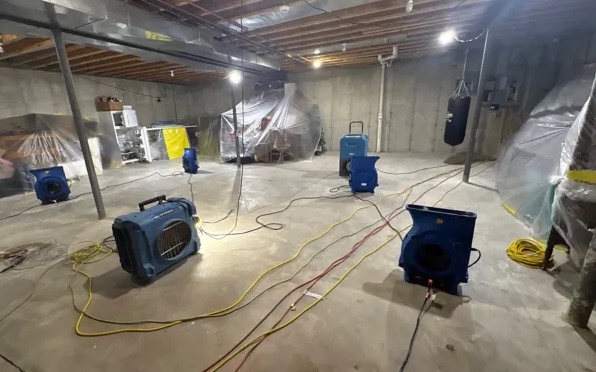
Reliable Basement Water Removal Near Rutland, Massachusetts
In Rutland, a finished basement or lower level takes more work after a flood. Carpet, pad, laminate, drywall and insulation all trap water against the concrete and framing.
A single storm or burst pipe in Rutland can flood a basement. Local water extraction experts serve Rutland and nearby Paxton, Holden and Barre, with help available around the clock.
Basement Water Removal Services in Rutland
Basement Floor Water Damage
Water on a basement floor soaks into carpet pad, laminate seams and the concrete itself. Floor coverings are lifted where needed so the slab can dry.
Basement Dehumidification
After drying, a household dehumidifier may still be needed to keep basement humidity in a healthy range.
Basement Moisture Inspection
Readings are recorded at each visit, giving you and your insurer a clear record of the drying.
Basement Water Pump Out
When water is more than an inch or two deep, pumps move it far faster than wet vacs, which limits how long walls sit in water.
Sump Pump Failure Water Cleanup
Cleanup after a sump failure includes drying the area around the pit and noting whether the pump, switch or power was the cause.
Common Symptoms Requiring Basement Water Removal
Soggy or Wet Carpeting
Carpet that feels damp or smells sour is holding water in the pad against the concrete.
Mold or Mildew
Dark spots on drywall, framing or stored items mean the area has stayed wet for days.
Water Stains on Walls or Ceiling
Stains on lower walls or the ceiling below a bathroom or kitchen point to a leak.
Sump Pump Failure or Overflow
A sump pit that is full, overflowing or has a pump that will not start means water is about to spread.
How Basement Water Removal Works in Rutland
Step 1: Safety Assessment and Pump Out
Electrical hazards are checked, then deep water is pumped outside away from the foundation.
Step 2: Content Removal and Damage Documentation
Wet belongings are moved, and photos record the water level and damaged materials.
Step 3: Targeted Water Removal and Drying
Carpet is extracted, wet drywall is cut back and air is aimed at walls and the slab.
Step 4: Sanitization and Moisture Control
Surfaces touched by dirty water are disinfected, and dehumidifiers keep humidity low.
Common Causes of Basement Water Damage in Rutland
Foundation Cracks and Seepage
Cracks in foundation walls and the slab let groundwater seep in during wet weather.
Sewer Line Backups and Blockages
A blocked sewer line can push wastewater up through basement floor drains and toilets.
Window Well Leaks and Drainage
Window wells without drains or covers fill with rain and leak through the windows.
High Water Table and Hydrostatic Pressure
A high water table presses groundwater against the slab and walls, forcing it inside.
Basement Water Removal for Homes and Businesses
Residential Basement Water Removal
Older homes with a basement may see seepage with every heavy storm. Water removal handles the current damage, and the entry point is noted for a waterproofing contractor.
Commercial Basement Water Removal
Multi-unit buildings with shared basements need each storage and laundry area pumped, dried and documented for the property manager.
Professional Basement Water Removal Versus Do-It-Yourself
A small puddle on bare concrete can be handled with a wet vac, towels and a dehumidifier. Call local water extraction experts if water reached carpet, drywall or framing, or covers much of the floor.
Basement Water Removal Cost in Rutland, MA
In Rutland, the drying phase usually costs more than the pumping, because basements need equipment running for several days.
Time of Service
Night, weekend and storm calls can cost more than a scheduled weekday visit.
Affected Materials
Finished walls, carpet and laminate take more removal work than bare concrete.
Drying Time Required
Basements dry slowly, and each extra day of equipment adds to the total.
Does Insurance Cover Basement Water Removal?
Coverage for basement water removal depends on the water source and your policy. The pros document the damage and drying, and your insurer decides what is covered.
Benefits of Hiring Local Pros for Basement Water Removal in Rutland
Clear Communication
You get plain updates on what was found, what was removed and how drying is going.
Contamination Safety Protocols
Sewage and dirty water are handled with protective gear, containment and disinfection.
Industry Drying Standards
Water removal and drying follow industry water damage standards, with readings at every visit.
24/7 Emergency Basement Water Removal in Rutland
Water still rising in the basement? Call (508) 219-6294 now for basement water removal in Rutland before the water reaches finished rooms and stored belongings.
Call Now (508) 219-6294Communities Served for Basement Water Removal
Basement water removal also covers homes and buildings in Paxton, Holden and Barre, close to Rutland, day or night.
- Basement Water Removal in Paxton
- Basement Water Removal in Holden
- Basement Water Removal in Barre
- Basement Water Removal in West Boylston
- Basement Water Removal in Leicester
- Basement Water Removal in Shrewsbury
- Basement Water Removal in Spencer
- Basement Water Removal in Sterling
- Emergency Damage Restoration in 01543
- Storm Damage Restoration in 01543
- Water Damage Restoration in 01543
- Water Extraction Service in 01543
- Water Leak Detection in 01543
- Water Removal Service in 01543
Frequently Asked Basement Water Removal Questions
Why is fast water removal so important for basements?
Basements dry slowly, so every hour of standing water adds drying days and more materials to replace.
What causes basement floor water damage?
Storm seepage, burst pipes, appliance leaks, foundation cracks and sewer backups through floor drains are the usual sources.
How long does basement drying take?
Often several days or longer, because concrete and cool basement air hold moisture. Daily readings show when it is done.
What is the difference between a pump out and extraction?
A pump out removes deep standing water. Extraction pulls the remaining water from carpet, pad and floors.
Why is basement dehumidification important after pumping?
Walls and concrete keep releasing moisture for days. Dehumidifiers remove it so the basement does not stay damp.