Harvard, MA · Worcester County
Basement Water Damage Restoration in Harvard, MABasement Drying Services & Basement Floor Water Removal
Basement Water Damage Restoration in Harvard includes emergency basement flood cleanup, basement sewer backup cleanup and basement wall drying.
Answered 24/7
Professional Basement Water Damage Restoration in Harvard, MA
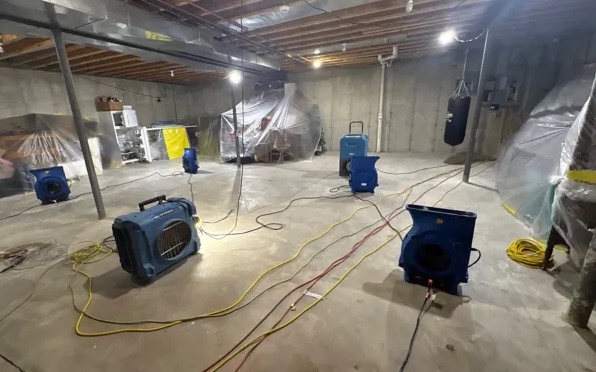
Basement Water Damage Restoration in Harvard usually involves two parts: the emergency work of removing water and the slower work of drying a below-grade space. Both matter for keeping repairs small.
Homes in Harvard and nearby Bolton, Lancaster and Clinton with basements deal with seepage, plumbing leaks and sewer backups. Help with basement water damage restoration covers pumping, removal of wet materials and drying of walls and concrete.
Basement Water Damage Restoration Services in Harvard
Basement Drying Services
Drying a basement takes longer than drying an upper floor because the air is cool and the concrete holds moisture.
Basement Floor Water Removal
A slab can look dry on top while still holding water. Moisture readings show when it is ready for new flooring.
Basement Mold Prevention
Keeping basement humidity low after drying helps prevent mold from returning, especially in finished spaces.
Basement Dehumidification
Dehumidification continues until humidity and material readings are normal. Turning it off too early lets moisture return.
Basement Water Extraction
Basement water is removed before drying starts, because every gallon left behind keeps the walls and air damp.
Indicators for Basement Water Damage Restoration in Harvard
Efflorescence on Concrete Walls
White, chalky deposits on concrete walls mean water is moving through the concrete and leaving minerals behind.
Condensation on Windows or Pipes
Water beading on cold pipes or basement windows shows high humidity that keeps materials damp.
Mold on Surfaces
Dark spots on drywall, framing or stored boxes mean the area has stayed wet for days.
Warped or Buckling Basement Floors
Laminate, wood or vinyl flooring that buckles or lifts in the basement has water underneath.
How Basement Water Damage Restoration Works in Harvard
Step 1: Source Control and Extraction
The pipe is shut off, the sump restarted or the backup stopped, then the water is pumped out.
Step 2: Structural Drying Setup
Lower drywall is removed where soaked, and equipment is placed to dry wall cavities and the slab.
Step 3: Contaminant Removal
Materials touched by sewage or dirty water are removed and hard surfaces are cleaned and disinfected.
Step 4: Monitoring and Completion
Daily readings track drying until every material is normal, then equipment is removed.
Frequent Sources of Water Damage in Harvard
Foundation Cracks and Leaks
Cracks in foundation walls let groundwater and melting snow seep into the basement.
Clogged Floor Drains
A floor drain blocked by debris cannot carry off water from a leak or overflow, so it spreads across the basement floor.
Sewer Line Backups
A blocked or overloaded sewer line pushes wastewater up through basement drains and toilets.
Water Heater or Appliance Leaks
Water heaters, washers and utility sinks in the basement can leak or fail without warning.
Residential and Commercial Basement Water Damage Restoration in Harvard
Residential Basement Water Damage Restoration
In homes, a flooded basement often means damaged carpet, drywall, a furnace or water heater and stored belongings. Water is pumped out, contents are moved and the space is dried.
Commercial Basement Water Damage Restoration
In commercial buildings, basements hold mechanical rooms, storage and sometimes offices. Water is removed and equipment areas are dried so systems can be checked and restarted.
Professional Basement Water Damage Restoration or DIY in Harvard?
Fans alone can push damp air into the rest of the house. Basement drying needs dehumidifiers to pull the moisture out of the air and the concrete.
What Influences Basement Water Damage Restoration Cost in Harvard
Before pricing basement water damage restoration in Harvard, the pros check the water depth, the type of water and what the basement is finished with.
Dehumidification Needs
Large dehumidifiers may need to run longer in below-grade spaces than in upper floors.
Access Complexity
Narrow stairs, low ceilings and stored contents can make the work slower.
Material Saturation
Finished basements with carpet, drywall and insulation take more removal work than bare concrete.
Does Insurance Cover Basement Water Damage Restoration?
Coverage for basement water damage restoration depends on where the water came from and your policy terms. The pros document the damage, and your insurer decides what is covered.
Why Choose Local Pros for Basement Water Damage Restoration in Harvard
24/7 Emergency Response
Help is available day or night when water is rising in the basement.
Mold Prevention Focus
Fast drying is the main way to limit microbial growth in a below-grade space.
Water Extraction First
Water is removed from floors, carpet and pad before drying starts, which shortens drying time.
Round-the-Clock Emergency Basement Water Damage Restoration in Harvard
If water is near outlets or the electrical panel, do not walk into it. Call (508) 219-6294 for help in Harvard and wait for the power to be made safe.
Call Now (508) 219-6294Basement Water Damage Restoration Serving Harvard, Bolton, Lancaster and Clinton
Nearby areas served for basement water damage restoration include Bolton, Lancaster and Clinton, with the same pumping and drying steps used in Harvard.
- Basement Water Damage Restoration in Bolton
- Basement Water Damage Restoration in Lancaster
- Basement Water Damage Restoration in Clinton
- Basement Water Damage Restoration in Leominster
- Basement Water Damage Restoration in Lunenburg
- Basement Water Damage Restoration in Framingham
- Basement Water Damage Restoration in Marlborough
- Basement Water Damage Restoration in Sterling
- Emergency Damage Restoration in 01451
- Storm Damage Restoration in 01451
- Water Damage Restoration in 01451
- Water Extraction Service in 01451
- Water Leak Detection in 01451
- Water Removal Service in 01451
FAQ for Basement Water Damage Restoration in Harvard
Why is quick action important for below-grade flood restoration?
Basements dry slowly, so every hour of standing water adds days of drying and more material to replace.
What is the purpose of basement wall drying?
To remove water from drywall, insulation, framing and concrete so the walls can be repaired without trapping moisture.
What are signs of hidden moisture after below-grade water extraction?
Musty smells, tide lines on walls, damp carpet edges and moisture readings that stay high in walls or the slab.
What is involved in basement water damage restoration?
Pumping out water, removing soaked materials, cleaning contaminated areas, drying walls, framing and concrete, and dehumidifying until readings are normal.
What health risks come with delayed basement flood cleanup?
Standing water and wet materials can support bacteria and microbial growth, and sewage carries contaminants that need disinfection.