Marlborough, MA · Middlesex County
Basement Water Damage Restoration in Marlborough, MABasement Sewer Backup Cleanup & Basement Dehumidification
Basement Water Damage Restoration in Marlborough includes emergency basement flood cleanup, basement sewer backup cleanup and basement wall drying.
Answered 24/7
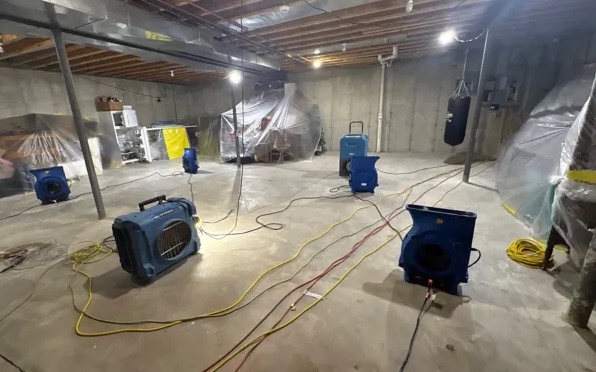
Basement Water Damage Restoration Solutions in Marlborough, Massachusetts
Basement Water Damage Restoration in Marlborough usually involves two parts: the emergency work of removing water and the slower work of drying a below-grade space. Both matter for keeping repairs small.
One burst pipe or heavy storm in Marlborough can flood a basement. Local restoration pros serve Marlborough and nearby Southborough, Northborough and Westborough, with help available around the clock.
The Basement Water Damage Restoration Process in Marlborough
Basement Sewer Backup Cleanup
Sewage that backs up through a floor drain or toilet is extracted with protective gear, and the area is contained from the rest of the house.
Basement Dehumidification
Large dehumidifiers pull moisture from the basement air so walls, framing and the slab can release their water.
Basement Water Extraction
Submersible pumps remove deep standing water, then portable extractors pull water from carpet, pad and the concrete floor.
Basement Floor Water Removal
Water on a concrete floor is squeegeed and extracted, and floor coverings such as carpet, vinyl or laminate are lifted to dry the slab.
Basement Mold Prevention
Fast extraction and drying are the main ways to limit microbial growth in a basement. Surfaces that stayed wet can be treated once dry.
Indicators for Basement Water Damage Restoration in Marlborough
Standing Water in the Basement
Any standing water on the basement floor needs pumping right away, before it soaks walls and framing.
High Humidity Levels Below-Grade
A basement that stays damp and clammy even on dry days has a moisture source that needs attention.
Mold on Surfaces
Dark spots on drywall, framing or stored boxes mean the area has stayed wet for days.
Efflorescence on Concrete Walls
White, chalky deposits on concrete walls mean water is moving through the concrete and leaving minerals behind.
How Basement Water Damage Restoration Works in Marlborough
Step 1: Floodwater Pump-Out
Submersible pumps remove deep water, and electrical hazards are checked before anyone walks in it.
Step 2: Deep Moisture Extraction
Extractors pull water from carpet, pad and the concrete floor after the deep water is gone.
Step 3: Air Circulation and Drying
Air movers keep dry air moving across walls and floors throughout the basement.
Step 4: Dehumidification and Verification
Dehumidifiers run until humidity and material readings confirm the basement is dry.
What Causes Basement Water Damage Restoration in Marlborough
Sump Pump Mechanical Failure
A sump pump that fails, loses power or is too small lets groundwater rise into the basement.
HVAC Condensate Line Overflow
A clogged furnace or air conditioner condensate line can overflow onto the floor of a basement or lower-level utility room.
Stormwater Runoff Into Lower Levels
Heavy rain running off hard ground or a sloped yard can pour down stairwells and under doors into below-grade rooms.
Overland Flooding From Storms
Heavy storms and snowmelt can send surface water into basements through doors and walls.
Basement Water Damage Restoration for Homes and Businesses in Marlborough
Residential Basement Water Damage Restoration
In homes, a flooded basement often means damaged carpet, drywall, a furnace or water heater and stored belongings. Water is pumped out, contents are moved and the space is dried.
Commercial Basement Water Damage Restoration
In commercial buildings, basements hold mechanical rooms, storage and sometimes offices. Water is removed and equipment areas are dried so systems can be checked and restarted.
Basement Water Damage Restoration vs. DIY: When to Call the Pros
Fans alone can push damp air into the rest of the house. Basement drying needs dehumidifiers to pull the moisture out of the air and the concrete.
Factors Affecting Basement Water Damage Restoration Cost in Marlborough
In Marlborough, basement jobs often run longer than upper-floor jobs because concrete dries slowly. Equipment days make up much of the bill.
Access Complexity
Narrow stairs, low ceilings and stored contents can make the work slower.
Emergency Service
Night, weekend and storm calls can cost more than a scheduled visit.
Material Saturation
Finished basements with carpet, drywall and insulation take more removal work than bare concrete.
Does Insurance Cover Basement Water Damage Restoration?
Coverage for groundwater seepage and backups varies widely between policies. Ask your adjuster whether your policy includes it before work begins.
Benefits of Local Pros for Basement Water Damage Restoration in Marlborough
Structural Integrity Assessment
Walls, stairs and framing are checked for damage before work begins in the basement.
24/7 Emergency Response
Help is available day or night when water is rising in the basement.
Advanced Moisture Detection
Moisture meters and thermal cameras find water in walls and slabs that looks dry.
24/7 Emergency Basement Water Damage Restoration for Marlborough
A flooded basement damages walls, furnaces, water heaters and belongings quickly. Call (508) 219-6294 for basement water damage restoration in Marlborough at any hour.
Call Now (508) 219-6294Basement Water Damage Restoration Near Marlborough: Areas Served
Need basement water damage restoration outside Marlborough? Service also covers Southborough, Northborough and Westborough, including emergency help during storms.
- Basement Water Damage Restoration in Southborough
- Basement Water Damage Restoration in Northborough
- Basement Water Damage Restoration in Westborough
- Basement Water Damage Restoration in Bolton
- Basement Water Damage Restoration in Framingham
- Basement Water Damage Restoration in Clinton
- Basement Water Damage Restoration in Boylston
- Basement Water Damage Restoration in Lancaster
- Emergency Damage Restoration in 01752
- Storm Damage Restoration in 01752
- Water Damage Restoration in 01752
- Water Extraction Service in 01752
- Water Leak Detection in 01752
- Water Removal Service in 01752
FAQ for Basement Water Damage Restoration in Marlborough
How soon should I call for basement water extraction after a leak?
Right away. Water wicks up drywall and soaks framing within hours, and below-grade spaces are slow to dry.
What equipment is used for below-grade water damage repair?
Submersible pumps, extractors, air movers, large dehumidifiers, moisture meters and air scrubbers for dust and odor.
Is basement floor water removal different from carpet extraction?
Yes. Bare concrete is squeegeed and dried, while carpet and pad need extraction, and the pad is usually replaced.
What causes the most common below-grade leaks in homes?
Sump pump failures, foundation cracks, clogged drain tile, sewer backups and burst pipes in the basement ceiling.
How long does below-grade drying take after a flood?
Often several days or longer, since concrete and cool basement air dry slowly. Daily readings show progress.