Leominster, MA · Worcester County
Basement Water Damage Restoration in Leominster, MABasement Water Extraction & Basement Drying Services
Basement Water Damage Restoration in Leominster runs from basement water extraction and basement floor water removal to basement dehumidification.
Answered 24/7
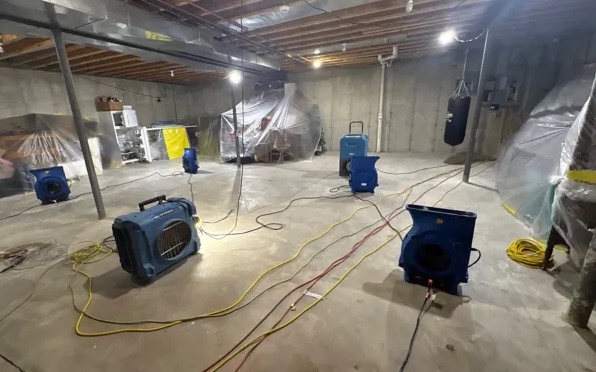
Basement Water Damage Restoration for Leominster Homes
In Leominster, a damp, musty basement or lower room often means water damage that was never fully dried. Old leaks can leave moisture in walls and under flooring long after the water is gone.
In Leominster, a home with a basement or below-grade room can flood after heavy rain or a blocked sewer line. Local water removal pros serve Leominster, Fitchburg, Lunenburg and Sterling, pumping out water and drying finished and unfinished spaces.
Complete Basement Water Damage Restoration for Leominster
Basement Water Extraction
Basement water is removed before drying starts, because every gallon left behind keeps the walls and air damp.
Basement Drying Services
Air movers and dehumidifiers are placed to dry walls, framing and the slab. Below-grade rooms dry slowly, so readings are taken daily.
Basement Floor Water Removal
Wet carpet pad is removed from basement floors, since it holds water against the concrete and dries poorly.
Emergency Basement Flood Cleanup
Help is available any hour when water is rising in the basement from a burst pipe, a sewer backup or heavy rain.
Basement Mold Prevention
After drying, an antimicrobial can be applied to framing and concrete that were wet, to slow mold on surfaces that stay in place.
Indicators for Basement Water Damage Restoration in Leominster
Sewage Odors or Backups
Sewage smells or water coming up through a floor drain mean the sewer line is backing up.
Rusted Appliances or Pipes
Rust on the water heater, furnace base or pipes points to repeated moisture or past flooding.
High Humidity Levels Below-Grade
A basement that stays damp and clammy even on dry days has a moisture source that needs attention.
Mold on Surfaces
Dark spots on drywall, framing or stored boxes mean the area has stayed wet for days.
How Basement Water Damage Restoration Works in Leominster
Step 1: Initial Assessment and Water Removal
The source and type of water are identified, and standing water is removed right away.
Step 2: Focused Drying of Materials
Walls, framing and the slab are dried with directed airflow, with wet insulation removed.
Step 3: Air Quality Management
Air scrubbers filter dust and odors from removal work while drying continues.
Step 4: Documentation for Restoration
Photos, readings and a list of removed materials are prepared for insurance and rebuilding.
Why Basement Water Damage Occurs in Leominster
Failed or Clogged Drain Tile
Clogged or collapsed drain tile around the foundation lets water build up against the walls.
HVAC Condensate Line Overflow
A clogged furnace or air conditioner condensate line can overflow onto the floor of a basement or lower-level utility room.
Faulty Basement Waterproofing
Old or failed waterproofing on foundation walls lets water through during wet weather.
Foundation Cracks and Leaks
Cracks in foundation walls let groundwater and melting snow seep into the basement.
Residential and Commercial Basement Water Damage Restoration in Leominster
Residential Basement Water Damage Restoration
In homes, a flooded basement often means damaged carpet, drywall, a furnace or water heater and stored belongings. Water is pumped out, contents are moved and the space is dried.
Commercial Basement Water Damage Restoration
In commercial buildings, basements hold mechanical rooms, storage and sometimes offices. Water is removed and equipment areas are dried so systems can be checked and restarted.
Professional Basement Water Damage Restoration or DIY in Leominster?
If a small leak left a puddle on bare concrete, a wet vac and a dehumidifier may be enough. Call local water removal pros if water reached drywall, carpet or framing, or if it came from a sewer drain.
Cost Considerations for Basement Water Damage Restoration in Leominster
Before pricing basement water damage restoration in Leominster, the pros check the water depth, the type of water and what the basement is finished with.
Water Category
Clean water costs less to handle than sewage, which needs protective gear, removal and disinfection.
Emergency Service
Night, weekend and storm calls can cost more than a scheduled visit.
Material Saturation
Finished basements with carpet, drywall and insulation take more removal work than bare concrete.
Does Insurance Cover Basement Water Damage Restoration?
Coverage for basement water damage restoration depends on where the water came from and your policy terms. The pros document the damage, and your insurer decides what is covered.
The Value of Local Pros for Basement Water Damage Restoration in Leominster
Industrial-Grade Equipment
Pumps, extractors and large dehumidifiers remove water much faster than household wet vacs and fans.
Structural Integrity Assessment
Walls, stairs and framing are checked for damage before work begins in the basement.
Mold Prevention Focus
Fast drying is the main way to limit microbial growth in a below-grade space.
Round-the-Clock Emergency Basement Water Damage Restoration in Leominster
Sewage coming up through a floor drain? Stop using water in the house and call (508) 219-6294 now for basement water damage restoration in Leominster.
Call Now (508) 219-6294Basement Water Damage Restoration Near Leominster: Areas Served
Help with basement water damage restoration is also available in communities near Leominster, including Fitchburg, Lunenburg and Sterling, for flooded basements and sewer backups.
- Basement Water Damage Restoration in Fitchburg
- Basement Water Damage Restoration in Lunenburg
- Basement Water Damage Restoration in Sterling
- Basement Water Damage Restoration in Lancaster
- Basement Water Damage Restoration in Westminster
- Basement Water Damage Restoration in Clinton
- Basement Water Damage Restoration in Harvard
- Basement Water Damage Restoration in Bolton
- Emergency Damage Restoration in 01453
- Storm Damage Restoration in 01453
- Water Damage Restoration in 01453
- Water Extraction Service in 01453
- Water Leak Detection in 01453
- Water Removal Service in 01453
FAQ for Basement Water Damage Restoration in Leominster
How soon should I call for basement water extraction after a leak?
Right away. Water wicks up drywall and soaks framing within hours, and below-grade spaces are slow to dry.
Why is dehumidification so important after basement water removal?
Basements hold moisture in the air and concrete. Without dehumidifiers, walls and framing stay damp long after the water is gone.
What equipment is used for below-grade water damage repair?
Submersible pumps, extractors, air movers, large dehumidifiers, moisture meters and air scrubbers for dust and odor.
What causes the most common below-grade leaks in homes?
Sump pump failures, foundation cracks, clogged drain tile, sewer backups and burst pipes in the basement ceiling.
What is the priority during emergency basement flood cleanup?
Safety first, especially electrical hazards, then stopping the source and pumping out the water as quickly as possible.