Sutton, MA · Worcester County
Temperature-Controlled Drying in Sutton, MAAir Mover Placement For Drying & Thermal Drying For Water Damage
Temperature-Controlled Drying in Sutton includes thermal drying for water damage, rapid structural drying services, and humidity control for restoration managed by local moisture control experts.
Answered 24/7
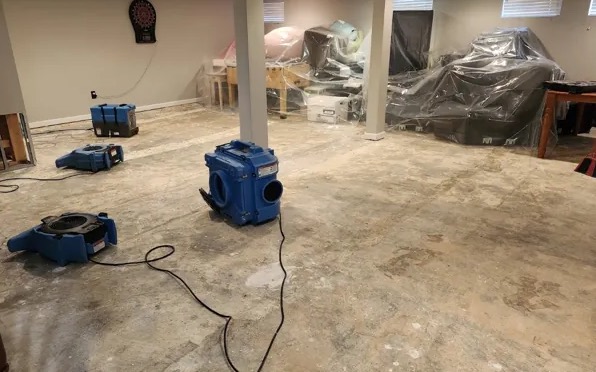
Expert Temperature-Controlled Drying Services in Sutton, Massachusetts
In Sutton, materials dry at different rates. Local pros map moisture content so each material gets the drying it needs.
In Sutton and nearby Millbury, Auburn and Grafton, local pros take baseline moisture readings, then run air movers and dehumidifiers and log moisture levels as they drop.
Advanced Temperature-Controlled Drying Techniques in Sutton
Air Mover Placement for Drying
The experts plan placement around furniture and walls, and may build air dams or blow air into cavities to cut drying time in Sutton homes.
Thermal Drying for Water Damage
The experts apply thermal energy to enhance air mover and dehumidifier effectiveness. This lowers relative humidity, creating a stronger force to pull moisture from materials.
Moisture Mapping
The experts take moisture readings at many points and depths to map every wet area and set drying goals, so nothing is missed.
Humidity Control for Restoration
Dehumidifiers lower the dew point in the affected area, so materials give up their moisture more easily.
Drying Equipment Deployment
The experts set up LGR dehumidifiers, axial fans and cavity drying systems to work together on the wet structure.
When to Call for Temperature-Controlled Drying in Sutton, MA
Damp Odors Persisting After Water
A musty smell lingers even after visible water is gone, indicating hidden moisture. That odor often signals mold or trapped dampness.
Warping of Wood Floors or Trim
Floorboards begin to cup, buckle, or separate at the seams. This warping is a direct result of excessive, uneven moisture content.
Cracking of Plaster or Joints
Plaster or drywall joint tape develops new cracks or fissures. These cracks occur as wet materials swell and then contract during drying.
Paint Peeling or Bubbling Up
Paint loses adhesion and forms bubbles or peels away from the wall. This failure is caused by moisture trapped beneath the paint film.
How Temperature-Controlled Drying Works in Sutton
Step 1: Site Evaluation and Equipment Planning
The pros evaluate the site to determine the type and quantity of drying tools needed.
Step 2: Drying Equipment Setup
Industrial air movers and dehumidifiers are set up in the affected zones right away.
Step 3: Controlled Humidity Management
Dehumidifiers pull moist air out of the room, which keeps the air dry enough for materials to keep drying.
Step 4: Progress Tracking With Drying Logs
Temperature, humidity and moisture readings are recorded each day in a drying log.
Common Causes Requiring Structural Drying in Sutton
Overflowing Sinks or Bathtubs
A simple blockage or forgetfulness leads to an overflow event. Water spreads quickly, soaking cabinetry and flooring, and requires thorough drying equipment deployment.
Undetected Plumbing Leaks
A slow drip behind a wall or under a slab saturates materials over time.
Inadequate Initial Water Extraction
Water left behind after a leak or flood moves into subfloors and walls, where it is harder to dry.
Poor Ventilation After a Flood
Closing up a wet room traps humid air, which slows drying and lets moisture soak further into materials.
Whole-Property Temperature-Controlled Drying in Sutton
Residential Temperature-Controlled Drying
Homeowners benefit from structural drying that prevents mold and preserves structural elements like wood framing and drywall. The experts set up targeted drying arrays to address specific home layouts and materials.
Commercial Temperature-Controlled Drying
For commercial properties, pros run industrial dehumidifiers and air movers to control humidity in large spaces and monitor moisture until the building is dry.
When to Hire Moisture Control Experts for Temperature-Controlled Drying in Sutton
Ventilating the area by opening windows can help if outdoor humidity is lower than indoors, but this is rarely controlled or sufficient. You can create a list of damaged items for a potential insurance claim.
What Affects Temperature-Controlled Drying Cost in Sutton
In Sutton, the price depends on the square footage, how long drying runs and which drying systems are used.
Moisture Mapping Complexity
Checking moisture in layered floors or hidden cavities takes more time and equipment.
Equipment Needs
The number and type of air movers, dehumidifiers and heaters used affect the cost.
Humidity Control Measures
Controlling humidity in tight spaces often takes specialized drying equipment and frequent adjustments.
Does Insurance Cover Temperature-Controlled Drying?
Whether insurance pays for thermal drying for water damage depends on your policy's specific language and the cause of loss. The pros meticulously record moisture levels and drying progress to create a verifiable log for your adjuster.
Selecting Local Experts for Temperature-Controlled Drying in Sutton
Advanced Moisture Mapping
Moisture meters and thermal cameras find hidden wet pockets so every affected material is dried.
24/7 Emergency Response
Quick action is critical to limit secondary damage, and the pros are available around the clock to begin the drying process.
Targeted Thermal Drying
Applying directed heat energy safely accelerates the drying of dense materials, reducing the overall timeline for the restoration project.
Emergency Moisture Control in Sutton
Wet walls and floors keep getting worse until they are dried. Call the pros at (508) 219-6294 to set up drying equipment.
Call Now (508) 219-6294Temperature-Controlled Drying Available Throughout Worcester County
Climate-controlled and thermal drying are available in Sutton and surrounding places including Millbury, Auburn and Grafton.
- Temperature-Controlled Drying in Millbury
- Temperature-Controlled Drying in Auburn
- Temperature-Controlled Drying in Grafton
- Temperature-Controlled Drying in Oxford
- Temperature-Controlled Drying in Northbridge
- Temperature-Controlled Drying in Douglas
- Temperature-Controlled Drying in Webster
- Temperature-Controlled Drying in Uxbridge
- Emergency Damage Restoration in 01590
- Storm Damage Restoration in 01590
- Water Damage Restoration in 01590
- Water Extraction Service in 01590
- Water Leak Detection in 01590
- Water Removal Service in 01590
Temperature-Controlled Drying Information and FAQs
How does humidity control aid in restoration?
Drier air pulls water out of wet materials faster, so lowering humidity speeds up drying.
Can rapid drying technology dry a property too quickly?
Yes, excessive heat or airflow can cause surface crusting, cracking, or other material stress, which is why professional drying balances speed with material-specific safety limits.
When is climate-controlled drying necessary versus regular drying?
Climate-controlled drying is necessary for severe losses, sensitive materials, or when precise environmental control is needed to prevent damage, unlike simple air drying for minor spills.
What should a property owner do while waiting for help with drying?
If safe, remove obvious standing water with a mop or towels, move dry contents away from the wet area, and avoid using household fans which can spread contaminants.
What is temperature-controlled drying?
It is a drying method that controls heat and humidity together to remove moisture from building materials and contents safely and quickly.