Auburn, MA · Worcester County
Temperature-Controlled Drying in Auburn, MAMoisture Mapping & Air Mover Placement For Drying
Temperature-Controlled Drying in Auburn includes moisture mapping, rapid structural drying services and water damage drying logs from local moisture control experts.
Answered 24/7
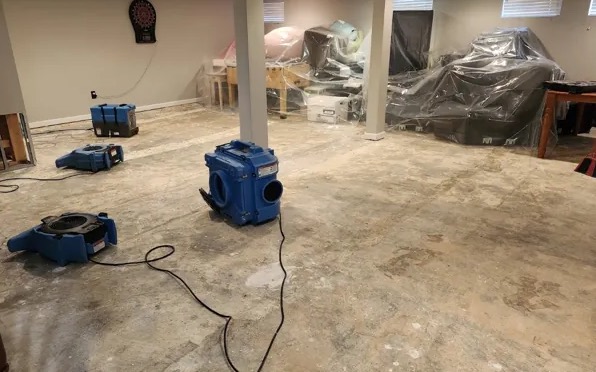
Local Temperature-Controlled Drying Solutions for Auburn Homes
In Auburn, water trapped in subfloors, wall cavities or behind cabinets dries slowly because the air there does not move.
In Auburn and nearby Millbury, Sutton and Leicester, fast structural drying stops mold before it starts. Local pros map moisture, then use LGR dehumidifiers and planned air mover placement until readings are normal.
Comprehensive Temperature-Controlled Drying Solutions for Auburn
Moisture Mapping
Systematic testing identifies moisture content percentages in all building materials. The experts compare readings to known dry standards.
Air Mover Placement for Drying
The experts angle and space air movers in each room in Auburn so air flows evenly across every wet surface.
Water Damage Drying Logs
The experts create detailed, timestamped drying logs. These records track initial readings, daily progress, and final verification, providing proof that industry-standard drying was followed.
Humidity Control for Restoration
Dehumidifiers lower the dew point in the affected area, so materials give up their moisture more easily.
Climate-Controlled Drying Systems
For complex jobs, the experts use industrial equipment to keep humid air from re-wetting materials, so walls dry all the way through.
Signs You Need Professional Temperature-Controlled Drying in Auburn
Paint Peeling or Bubbling Up
Paint loses adhesion and forms bubbles or peels away from the wall. This failure is caused by moisture trapped beneath the paint film.
Damp Odors Persisting After Water
A musty smell lingers even after visible water is gone, indicating hidden moisture. That odor often signals mold or trapped dampness.
Discoloration on Drywall or Ceilings
Yellow or brown water stains appear on surfaces that seem dry. These stains suggest moisture is still present inside the wall cavity.
Cold, Damp Feeling in a Room
A room feels noticeably colder and damper than the rest of the house. This sensation is often due to evaporative cooling from wet materials.
How Temperature-Controlled Drying Works in Auburn
Step 1: Site Evaluation and Equipment Planning
The pros evaluate the site to determine the type and quantity of drying tools needed.
Step 2: Drying Equipment Setup
Industrial air movers and dehumidifiers are set up in the affected zones right away.
Step 3: Controlled Humidity Management
Dehumidifiers pull moist air out of the room, which keeps the air dry enough for materials to keep drying.
Step 4: Progress Tracking With Drying Logs
Temperature, humidity and moisture readings are recorded each day in a drying log.
Common Causes Requiring Structural Drying in Auburn
Inadequate Initial Water Extraction
Water left behind after a leak or flood moves into subfloors and walls, where it is harder to dry.
HVAC System Condensation Issues
A clogged condensate drain line causes an overflow inside the air handler. This water can soak insulation and ductwork, creating a hidden moisture issue.
Poor Ventilation After a Flood
Closing up a wet room traps humid air, which slows drying and lets moisture soak further into materials.
Roof Leak During Heavy Rain
Wind-driven rain through a damaged roof or flashing can run down inside wall cavities, where it needs targeted drying.
Residential & Commercial Temperature-Controlled Drying in Auburn
Residential Temperature-Controlled Drying
Residential restoration focuses on saving personal items and preventing long-term odors in living areas and bedrooms. The specialists employ thermal drying for water damage to gently yet effectively dry contents and building materials.
Commercial Temperature-Controlled Drying
In commercial settings, uncontrolled humidity can damage sensitive electronics, documents, and finished goods. The pros implement humidity control for restoration to create optimal drying conditions for diverse materials.
When to Hire Moisture Control Experts for Temperature-Controlled Drying in Auburn
Photograph all affected areas and items for insurance and move undamaged belongings to a dry room. Drying the structure takes industrial equipment that DIY gear cannot replace.
What Affects Temperature-Controlled Drying Cost in Auburn
In Auburn, the main price factors are how long drying takes and which equipment, such as heaters or desiccants, is used.
Drying Time Required
Longer drying periods for climate-controlled systems mean more equipment runtime and monitoring, impacting the overall cost of the restoration project.
Humidity Control Measures
Controlling humidity in tight spaces often takes specialized drying equipment and frequent adjustments.
Extent of Water Damage
The larger the area that needs drying, the more equipment and labor the job takes.
Does Insurance Cover Temperature-Controlled Drying?
Coverage is not automatic and depends on your policy. Local pros provide humidity readings and equipment logs for your claim file. Your insurer decides what is covered.
Selecting Local Experts for Temperature-Controlled Drying in Auburn
24/7 Emergency Response
Quick action is critical to limit secondary damage, and the pros are available around the clock to begin the drying process.
Comprehensive Drying Logs
Detailed, chronological logs of moisture readings and equipment settings provide a transparent record of the entire temperature-controlled drying process.
Structural Drying
The focus is on quickly extracting moisture from structural components to minimize warping, swelling, or the potential for mold growth.
Emergency Temperature-Controlled Drying Response for Auburn, MA
Water damage gets worse quickly as moisture spreads into materials. Call (508) 219-6294 24 hours a day to start drying in Auburn.
Call Now (508) 219-6294Temperature-Controlled Drying Serving Auburn and Nearby Areas
Controlled drying with detailed drying logs is available in Auburn, and near Millbury, Sutton and Leicester.
- Temperature-Controlled Drying in Millbury
- Temperature-Controlled Drying in Sutton
- Temperature-Controlled Drying in Leicester
- Temperature-Controlled Drying in Oxford
- Temperature-Controlled Drying in Grafton
- Temperature-Controlled Drying in Charlton
- Temperature-Controlled Drying in Paxton
- Temperature-Controlled Drying in Spencer
- Emergency Damage Restoration in 01501
- Storm Damage Restoration in 01501
- Water Damage Restoration in 01501
- Water Extraction Service in 01501
- Water Leak Detection in 01501
- Water Removal Service in 01501
Your Temperature-Controlled Drying Questions Addressed
Can temperature-controlled drying prevent mold growth?
By rapidly removing moisture and controlling humidity, the process creates an environment where mold cannot thrive, significantly reducing the potential for mold.
How does humidity control aid in restoration?
Drier air pulls water out of wet materials faster, so lowering humidity speeds up drying.
How is drying progress verified during moisture monitoring?
Progress is verified by taking comparative moisture readings with penetrating and non-penetrating meters over time, ensuring levels drop to established dry standards for each material.
What is the difference between air movers and dehumidifiers?
Air movers evaporate moisture from surfaces into the air, and dehumidifiers pull it back out of the air.
What should a property owner do while waiting for help with drying?
If safe, remove obvious standing water with a mop or towels, move dry contents away from the wet area, and avoid using household fans which can spread contaminants.