Harvard, MA · Worcester County
Multi-Family Water Damage Restoration in Harvard, MAApartment Mold Prevention & Multi-Family Property Drying
Multi-Family Water Damage Restoration in Harvard addresses apartment water extraction, wet drywall removal, and multi-unit flood drying.
Answered 24/7
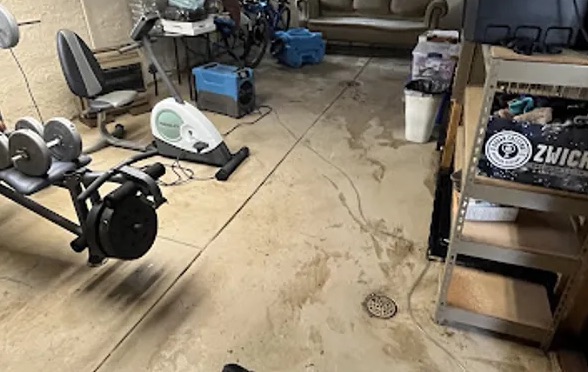
Multi-Family Water Damage Restoration Solutions in Harvard, Massachusetts
Apartment mold prevention is a key outcome of proper water damage restoration in Harvard. By achieving complete dryness quickly, the conditions for mold growth are eliminated.
Multi-family water damage restoration in Harvard addresses the specific challenges of apartments and condos. Water easily spreads through shared walls and utility chases, affecting multiple units from one leak.
Multi-Family Water Damage Restoration Services in Harvard
Apartment Mold Prevention
To prevent mold, every water incident requires drying of drywall, insulation and framing. Water damage experts create conditions that do not support mold colonization.
Multi-Family Property Drying
Local water extraction experts develop a drying plan that addresses moisture in shared walls, floor assemblies and common area ceilings.
Condo Water Damage Cleanup
Condo water damage cleanup addresses flooding from plumbing or appliance leaks. The process involves water extraction, material removal, and thorough drying.
Wet Drywall Removal
Wet drywall removal becomes necessary when water compromises interior walls. The pros remove saturated drywall to access and dry the studs and insulation.
Emergency Water Removal
Emergency water removal provides a 24/7 response to stop active flooding. The priority is extraction to minimize damage to multiple units and electrical systems.
Signs of Serious Water Damage in Harvard Apartments
Dripping Sounds Behind Walls
The sound of running water inside walls when no fixtures are on points to an active leak.
Visible Mold Growth on Surfaces
Black, green or white spots on walls or baseboards mean moisture has stayed in a unit for days.
Swollen or Soft Drywall
Walls or ceilings that feel soft or spongy are soaked through, and the wet drywall usually has to be cut out and replaced.
Sagging Ceiling Tiles or Panels
Ceiling materials that are drooping or bowing are heavy with water and risk collapse, needing early action.
How Multi-Family Water Damage Restoration Works in Harvard
Step 1: Initial Inspection and Moisture Mapping
Using thermal imaging and moisture meters, the experts map all affected areas, even behind walls, to guide the entire restoration.
Step 2: Targeted Water Extraction and Content Management
The focus is on extracting water from specific areas like unit kitchens and bathrooms while moving and protecting residents' belongings.
Step 3: Carpet Water Damage Restoration and Drying
Specialized techniques are used to clean, disinfect, and dry carpets and padding in units and hallways, salvaging materials where possible.
Step 4: Proactive Apartment Mold Prevention Treatments
After drying, surfaces that stayed wet are treated with an antimicrobial to limit odor and mold before repairs begin.
Typical Water Damage Origins in Harvard Buildings
Failed Bathtub or Shower Seals
Worn caulking and grout let water into walls and subfloors in bathrooms and kitchens.
Sprinkler System Accidental Discharge
A faulty or damaged fire sprinkler head can release hundreds of gallons.
Roof Leaks During Heavy Rain
Compromised roofing can allow water to seep into top-floor units and cascade down.
Sewer Line Backups and Overflows
Blockages in main sewer lines can force contaminated water back into lower-level units, creating a severe health hazard.
Multi-Family Water Damage Restoration for Apartments and Condos in Harvard
Residential Multi-Family Water Damage Restoration
For townhome communities with shared foundations, the pros tackle flooding that crosses property lines. They perform emergency water removal and structural drying to prevent foundational compromise.
Commercial Multi-Family Water Damage Restoration
For hospitality properties like extended-stay hotels, the pros minimize guest displacement during a flood event. Detailed moisture documentation aids in resolving any guest or insurance matters.
Multi-Family Water Damage Restoration vs. DIY: When to Call Water Extraction Experts
Monitoring the area for new signs of moisture like expanding stains or odors is a reasonable owner task. You can wipe down surface moisture on non-porous materials.
What Influences Multi-Family Water Damage Restoration Pricing in Harvard
The size of the property and the complexity of accessing wall cavities and subfloors across multiple units also influence the final service estimate.
Property Layout Complexity
A complex multi-family building with hard-to-access utility chases or shared walls can make drying more labor-intensive, affecting the final cost.
Affected Unit Count
One flooded apartment costs far less than water that spread through several units, which need more equipment and labor.
Required Drying Duration
The number of days needed for thorough multi-unit flood drying with industrial equipment directly impacts labor, monitoring, and equipment rental expenses.
Does Insurance Cover Multi-Family Water Damage Restoration?
Coverage for drywall removal and drying depends on the policy's exclusions and limits. The experts in Harvard generate a clear, itemized record of all damage and services performed.
Selecting Local Experts for Multi-Family Water Damage Restoration in Harvard
Structural Drying Knowledge
Understanding multi-family building construction allows for strategic drying plan placement to address hidden moisture and protect structural integrity.
Containment Protocols
To protect unaffected apartments, the pros set up containment barriers, controlling dust and moisture migration during wet drywall removal and drying.
Moisture Verification
Meters confirm each unit is dry before equipment comes out, so no hidden moisture is left in shared walls.
Round-the-Clock Multi-Family Water Damage Restoration in Harvard
If you find significant water damage in your condo or a common area, time matters. Call the pros at (508) 219-6294 for emergency service in Harvard.
Call Now (508) 219-6294Regions Served for Multi-Family Water Damage Restoration Near Harvard
Apartment buildings and condo complexes in Harvard can get water removal and drying when leaks affect several units. Help is also available in nearby Bolton, Lancaster and Clinton.
- Multi-Family Water Damage Restoration in Bolton
- Multi-Family Water Damage Restoration in Lancaster
- Multi-Family Water Damage Restoration in Clinton
- Multi-Family Water Damage Restoration in Leominster
- Multi-Family Water Damage Restoration in Lunenburg
- Multi-Family Water Damage Restoration in Framingham
- Multi-Family Water Damage Restoration in Marlborough
- Multi-Family Water Damage Restoration in Sterling
- Emergency Damage Restoration in 01451
- Storm Damage Restoration in 01451
- Water Damage Restoration in 01451
- Water Extraction Service in 01451
- Water Leak Detection in 01451
- Water Removal Service in 01451
Frequently Asked Questions About Multi-Family Water Damage Restoration
Who coordinates access for multi-unit water damage restoration?
Property managers or owners typically coordinate access with tenants; the pros in Harvard work within that framework to schedule necessary drying equipment placement.
How long does multi-family property drying typically take?
Drying time depends on the extent of damage, materials involved, and climate, but it often takes several days of continuous monitoring with industrial drying equipment.
What are the signs that apartment water extraction is needed?
Standing water, damp walls or floors, a musty odor or water stains all mean extraction should start right away.
What steps follow emergency water removal in a condo?
After extraction, detailed drying begins, potentially including wet drywall removal, subfloor drying, dehumidification, and ongoing moisture monitoring until all materials meet dry standards.
What is the typical response time for water damage in apartment buildings?
The pros offer a 24/7 emergency response for water extraction and drying initiation to minimize structural damage and prevent mold growth in multi-unit properties.