Worcester, MA · Worcester County
Library Damage Restoration in Worcester, MALibrary Water Damage Restoration & Emergency Library Water Extraction
Library Damage Restoration in Worcester covers library storm damage repair, library mold remediation and emergency library water extraction.
Answered 24/7
Specialized Library Damage Restoration in Worcester, Worcester County
In Worcester, mold in library books often starts from unnoticed humidity or past leaks and can spread through a collection. Early detection and remediation are key to saving affected materials and preventing wider infestation.
Emergency library restoration services in Worcester and communities like Auburn, Shrewsbury and Millbury respond to any incident threatening collections, from burst pipes to storm impacts. Early work helps minimize loss.
Comprehensive Library Damage Restoration for Libraries
Library Water Damage Restoration
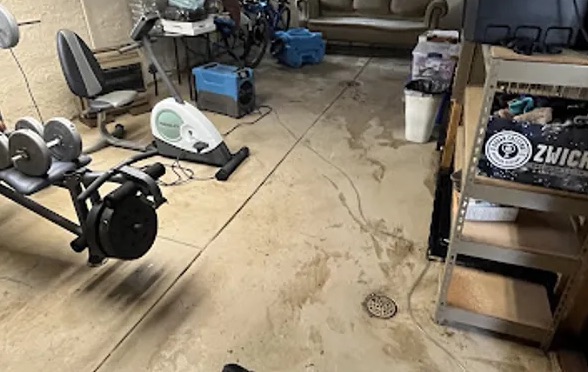
Water intrusion in libraries threatens irreplaceable archives and books. Restoration pros prioritize extracting standing water from floors. Industrial dehumidifiers and air movers create optimal drying conditions. This protects library materials and furnishings from further damage.
Emergency Library Water Extraction
A sudden pipe burst or roof leak requires emergency water extraction services. Library damage restoration pros focus on protecting irreplaceable materials first. High-volume extraction equipment clears water from all affected areas.
Library Sewage Cleanup
A sewer line issue can release hazardous waste into a library. The experts use professional-grade equipment for extraction. The area is treated with EPA-registered antimicrobial solutions. This remediation protects patrons and staff from potential biohazards.
Library Storm Damage Repair
Wind-driven rain or falling debris can breach library exteriors. The experts assess and document all storm-related damage. Fast response helps mitigate long-term damage to library assets.
Library Fire Damage Restoration
A library fire leaves soot, smoke residue and water from firefighting. Paper, electronics and furniture are cleaned with methods suited to each, and the smoke smell is treated.
Common Library Damage Signs in Worcester
Visible Mold on Books or Walls
Fuzzy spots on book covers or drywall are mold, usually from damp air or a past leak.
Musty Odors in Reading Rooms
A persistent earthy smell can signal hidden mold growth in library books or within wall cavities, needing investigation.
Condensation on Windows and Glass
Excess humidity inside the library leads to condensation, promoting mold and damaging book bindings and archival materials.
Water Dripping From Ceiling Tiles
Active leaks above drop ceilings can soak books and documents on the shelves below very quickly.
How Library Damage Restoration Works in Worcester
Step 1: Emergency Library Water Extraction
The experts remove standing water with truck-mounted pumps and wet vacuums.
Step 2: Comprehensive Moisture Mapping and Drying
The specialists use moisture meters and thermal imaging to map all affected areas. They then position air movers and dehumidifiers for complete structural drying.
Step 3: Specialized Book and Document Recovery
Books and archives that can be saved are moved for freeze-drying or desiccant drying, which helps prevent mold and warping.
Step 4: Final Cleaning and Humidity Stabilization
All surfaces are cleaned and sanitized. Humidity control may be set up so the space is stable when the collection returns.
Leading Causes of Damage in Worcester Libraries
Improper Ventilation in Storage Areas
Stale, humid air in closed stacks or storage rooms lets mold grow on books and shelving.
Poor Building Envelope Sealing
Gaps around windows, doors, or foundations let in humid outside air or driven rain, creating persistent damp conditions.
Roof Leaks and Damaged Shingles
Aged or storm-damaged roofing allows water to seep into attic spaces and down walls, leading to library water damage.
Severe Weather and Flooding
Heavy rains and flash floods can overwhelm drainage, leading to ground-level flooding and extensive storm damage restoration for libraries.
Library Restoration for Public and Private Collections in Worcester
Water Damage Help for Homes
Homeowners with large book collections may need book drying after a leak or spill. The pros in Worcester dry the books and shelves and document the damage for your insurance claim.
Library Damage Restoration for Owners and Managers
Institutional libraries require book restoration professionals for delicate archive recovery after fire or water events. Library fire damage restoration focuses on soot removal and odor control for the building and collections.
Library Damage Restoration vs. DIY: When to Call Library Water Damage Specialists
After a small, contained incident, wiping down non-porous surfaces with a mild detergent solution may be possible. Homeowners should never attempt to clean sewage from porous materials like books or carpet.
Understanding Library Damage Restoration Costs in Worcester
Whether the damage is confined to one reading room or has spread through multiple floors and storage areas changes the project scale. Containing cross-contamination in large libraries requires additional setup.
Containment Needs
Containment keeps mold spores and soot away from undamaged collections. Building containment barriers and managing airflow adds to project steps.
Architectural Features
High ceilings, marble floors, or custom woodwork in older libraries can complicate access and drying. Preservation considerations may require adapted methods.
Drying Duration
Books and documents dry slowly to prevent warping and mold. Extended humidity control with professional dehumidifiers runs for days, affecting resource use.
Does Insurance Cover Library Damage Restoration?
The cause of the damage is the primary factor for insurance. Storm damage or fire is often covered, while flooding from external sources typically requires a separate flood insurance policy.
The Value of Local Library Water Damage Specialists for Library Damage Restoration
Odor Elimination Techniques
Fire or sewage damage leaves persistent odors. Advanced air scrubbing and fogging target odor molecules embedded in porous materials.
Mold Remediation Focus
Library mold remediation addresses visible mold and hidden spores in HVAC systems. The process involves removal, cleaning, and drying to inhibit recurrence.
Coordinated Drying Strategy
A plan is developed for the library's unique layout and contents. Equipment is placed to create efficient airflow across affected zones.
Emergency Library Damage Restoration in Worcester
Sewage backup in a library poses health risks and can destroy collections. Fast containment and cleanup are necessary. Contact the specialists at (508) 219-6294 for emergency library sewage cleanup service.
Call Now (508) 219-6294Library Damage Restoration Available Throughout Worcester County
Document restoration and archive recovery are available for collections in Worcester. Book drying and humidity control are also available in Auburn, Shrewsbury and Millbury.
Your Library Damage Restoration Questions for Worcester
How is library sewage cleanup handled?
With strict safety protocols. Contaminated materials are removed, affected surfaces are disinfected, and the area is dried completely. Air quality is monitored throughout.
Why does library damage restoration need special care?
Libraries contain unique materials like books, microfilm, and special collections that require specific drying and cleaning techniques not used in standard home restoration.
Is historical document restoration possible after fire?
Soot and odor can often be cleaned from older items. Each document is checked for fragility before a cleaning method is chosen.
How is library archive recovery after a flood managed?
Prioritizing salvage based on value and fragility, using freeze-drying for wet paper, and creating a digital record of damaged items when possible for insurance.
How does library mold remediation work?
It involves identifying the mold source, containing the area, removing contaminated materials safely, cleaning surfaces with antimicrobial agents, and drying the space thoroughly.