Worcester, MA · Worcester County
Industrial Equipment Restoration in Worcester, MAIndustrial Corrosion Treatment & Industrial Water Extraction
Industrial water extraction, machinery drying services and industrial mold remediation constitute Industrial Equipment Restoration for Worcester.
Answered 24/7
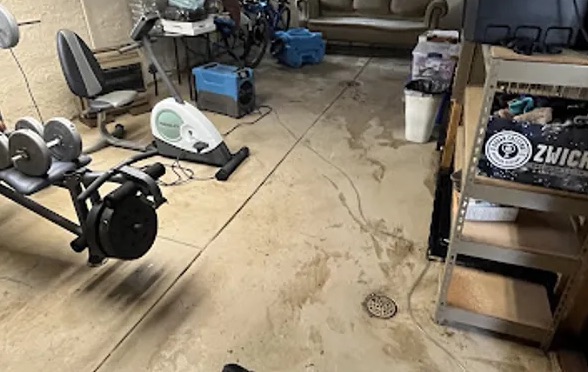
Local Industrial Equipment Restoration for Worcester Businesses
In Worcester, equipment must be decontaminated after hazardous material or sewage exposure. Contaminants left inside machinery pose ongoing health and liability risks for any business. Internal parts are cleaned so the equipment is safe to run.
In Worcester and areas like Auburn, Shrewsbury and Millbury, the work covers water-damaged machinery and mold. Local experts use industrial tools to dry and decontaminate machines. They respond 24/7 and provide full reports.
Industrial Equipment Cleaning and Restoration in Worcester
Industrial Corrosion Treatment
Untreated corrosion weakens metal parts and leads to failure. Industrial treatment assesses oxidation and selects a mitigation strategy. Techniques include abrasive blasting, rust-neutralizing compounds, and industrial sealants.
Industrial Water Extraction
Industrial water extraction removes standing water from around machinery and factory floors. This immediate step in Worcester helps prevent corrosion and electrical shorts. High-capacity pumps and extractors designed for industrial volumes are used.
Machine Electrical System Restoration
Water and electricity are dangerous in machinery. Restoration begins with safe power-down and circuit isolation. Components are dried in controlled environments, then connectors are cleaned and insulation tested before restoring power.
Industrial Mold Remediation
Industrial mold remediation addresses fungal growth on or within machinery. The service involves containment, removal, and cleaning to eliminate spores. It maintains air quality and prevents corrosion on sensitive equipment surfaces.
Heavy Equipment Restoration
Heavy equipment represents a major capital investment. Restoration services work to salvage these assets after damaging events. The process may involve coordinating with machine OEMs for specific parts or guidance.
When to Call for Industrial Machinery Restoration in Worcester
Peeling Paint or Protective Coatings
Paint blistering or flaking off metal surfaces is a classic sign of underlying moisture damage and corrosion.
Warped Machine Housings or Frames
Metal or composite parts that appear bent or swollen likely absorbed water, compromising structural integrity.
Visible Water Pooling or Stains
Standing water or stains around industrial equipment mean cleanup is needed right away.
Active Water Leaks From Machinery
Water dripping or running from equipment means a leak inside the machine or from above that needs attention now.
How Industrial Equipment Restoration Works in Worcester
Step 1: Damage Assessment and Containment
Local industrial machinery restoration experts first assess the water or contaminant spread. They contain the area to prevent cross-contamination to other equipment.
Step 2: Industrial Flood Cleanup
Factory flood cleanup actions remove water, debris and sediments. Pros use extraction wands and squeegees to clear water from under and around heavy machinery.
Step 3: Industrial Drying Process
The industrial drying process uses desiccant dehumidifiers and high-velocity air to dry electrical panels, gearboxes and structural frames thoroughly.
Step 4: Mold Remediation and Cleaning
If present, equipment mold remediation is performed using EPA-registered antimicrobials. All surfaces then receive a final industrial equipment cleaning.
Common Causes of Industrial Water Damage in Worcester
Humid Environment Operation
Machines run in damp areas collect condensation inside, which leads to rust and electrical faults.
Process Water Line Breaks
Failed fittings or pipes supplying water for manufacturing processes can soak nearby equipment and floors.
Factory Flooding Incidents
Burst pipes, sewer backups or overland flooding can soak machinery on the plant floor.
Coolant Line or Hydraulic Failures
Ruptured fluid lines inside machines can flood electrical systems and mechanical parts with conductive liquids.
Industrial and Manufacturing Industrial Equipment Restoration in Worcester
Residential Restoration
For homeowners with workshops or large garages, industrial equipment restoration pros address water damage to lathes, compressors or generators. Water extraction and drying protect the equipment and the home from mold.
Industrial Equipment Restoration
Manufacturing plants rely on the experts for factory equipment restoration after floods or leaks. Mold remediation and electrical system restoration keep downtime short.
Why DIY Industrial Restoration Often Fails in Worcester
If you identify the source of a leak, like a loose fitting, you may temporarily stop it if you can do so safely without tools. Mark the affected equipment as out of service. Water extraction and machinery drying by local pros prevent long-term damage and mold.
Factors Affecting Industrial Equipment Restoration Pricing in Worcester
The cost of industrial machinery restoration depends on how much water reached the equipment, how long drying takes and how much decontamination cleaning is needed.
Mold Contamination Level
Significant industrial mold remediation adds steps for containment, cleaning, and verification, contributing to the final restoration cost for your equipment.
Drying Time and Methods
How long machines take to dry and the equipment used drive labor and operating costs.
Corrosion Treatment Needs
Treating corrosion on metal parts takes extra products and labor, which adds to the restoration cost.
Does Insurance Cover Industrial Equipment Restoration?
Insurance for heavy equipment restoration depends entirely on the terms and conditions of the property owner's specific policy. The pros provide clear documentation of the corrosion damage, the restoration techniques used, and the post-treatment condition for claim support. This evidence helps illustrate the scope and necessity of the work performed.
Benefits of Local Industrial Equipment Restoration in Worcester
IICRC-Standard Restoration Methods
Industrial equipment restoration follows industry protocols for drying, cleaning and decontamination to protect how machines work.
24/7 Emergency Response
Water-damaged machinery needs quick action. The pros are available around the clock to begin industrial water extraction.
Contamination Control Protocols
Containment and cleaning during mold removal protect the rest of the factory.
24-Hour Emergency Machinery Restoration in Worcester
Water inside machinery leads to corrosion and mold quickly. Call (508) 219-6294 for emergency industrial drying to start before the damage leads to costly equipment failure.
Call Now (508) 219-6294Local Industrial Equipment Restoration Coverage for Worcester, Massachusetts
Machinery restoration and sanitizing are available in Worcester and nearby places such as Auburn, Shrewsbury and Millbury.
Your Industrial Equipment Restoration Questions Answered
What happens during industrial corrosion treatment?
Treatment involves abrasive cleaning to remove rust, application of rust converters or inhibitors, and protective coatings to halt the corrosion process.
Can heavy equipment restoration address severe corrosion?
Industrial corrosion treatment involves removing rust, applying protective coatings, and replacing compromised parts to restore structural integrity and prevent further decay.
When is equipment decontamination cleaning necessary?
Equipment exposed to sewage, chemicals or biological hazards must be decontaminated before it is used again.
Does equipment damage restoration prevent future problems?
Proper restoration, including thorough industrial drying services and corrosion treatment, helps prevent latent issues like hidden mold growth or ongoing metal degradation that could cause future breakdowns.
What does industrial mold remediation involve for equipment?
Equipment mold remediation includes containment, HEPA vacuuming, antimicrobial cleaning, and verification to remove spores and prevent regrowth on machinery surfaces.