Sturbridge, MA · Worcester County
Industrial Dehumidification in Sturbridge, MADisaster Recovery Drying & Industrial Flood Damage Restoration
Industrial Dehumidification in Sturbridge includes emergency water removal, commercial water damage cleanup and industrial flood damage restoration.
Answered 24/7
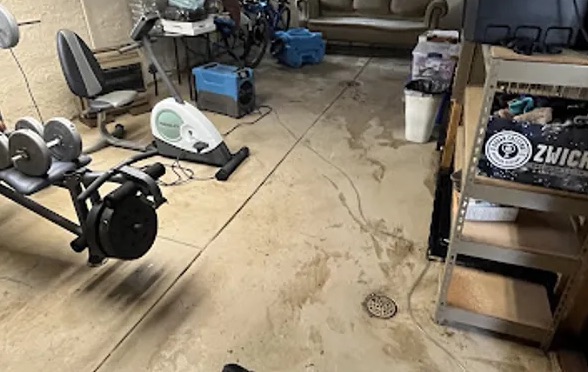
Industrial Drying Services for Sturbridge Properties
Data centers, storage rooms and archives need stable humidity. After water damage, condensation and corrosion can harm equipment and records.
Industrial dehumidification is a priority for large facilities in Sturbridge and nearby areas like Charlton, Warren and Dudley. Whether dealing with a burst pipe or ongoing humidity issues, local water damage pros apply commercial dehumidification techniques.
Industrial Flood Damage Restoration in Sturbridge
Disaster Recovery Drying
Disaster scenarios create complex drying challenges. The pros design a recovery plan centered on industrial dehumidification. The process involves drying contents and structure in tandem.
Industrial Flood Damage Restoration
Restoring a flooded plant requires drying the entire environment. Pros reach moisture in high ceilings, equipment pits and storage areas.
Industrial Humidity Reduction Systems
The experts implement industrial dehumidification systems that operate reliably to meet strict environmental specs. Steady humidity protects sensitive equipment and stored records.
Commercial Water Damage Cleanup
Specialized drying equipment is needed for retail or office water damage. The pros deploy industrial-grade dehumidifiers to extract moisture from air and materials in Sturbridge.
Warehouse Moisture Control
Managing warehouse air quality requires continuous moisture removal. Systems run to prevent rust on metal shelving and spoilage of goods.
Warning Signs You Need Industrial Dehumidification
Warped or Buckling Materials
Swollen wood, peeling paint or distorted flooring are signs of too much moisture in the building.
Noticeable Water Pooling
Standing water in a warehouse or industrial space needs to be removed before drying can start.
Equipment Rust or Corrosion
New rust on machinery or metal stock can come from damp air in the building.
Elevated Humidity Levels
Sticky air and condensation on windows or metal surfaces mean humidity in the building is too high.
How Industrial Dehumidification Works in Sturbridge
Step 1: Site Assessment and Inspection
An inspection finds the water sources, the wet materials and how much cleanup is needed.
Step 2: Containment and Water Removal
Containment is set up if needed, then industrial extractors remove the bulk water.
Step 3: Deploy Drying Equipment
Desiccant and refrigerant dehumidifiers and air movers are placed to dry the building.
Step 4: Continuous Monitoring and Adjustment
Equipment runs around the clock, and humidity is checked so the setup can be adjusted as areas dry.
Sources of Moisture in Industrial and Commercial Buildings
Process Water or Chemical Spills
Industrial processes that use liquids carry a constant risk of accidental spills and releases.
Fire Suppression System Activation
A sprinkler discharge can leave a large amount of water to extract and dry.
HVAC System Condensation Issues
Cooling systems that are poorly maintained or oversized can produce a lot of condensation and raise humidity.
Foundation Cracks and Seepage
Groundwater pushed up through cracks in slabs and walls keeps lower areas damp.
Industrial Dehumidification for All Properties in Sturbridge
Residential Industrial Dehumidification
Storm-driven water needs fast action to save belongings and building materials. Emergency water removal pros extract the water 24/7 and document the damage for your claim.
Commercial Industrial Dehumidification
A flooded warehouse or production floor halts business. Fast water removal and commercial dehumidification shorten the time the space is out of use.
Industrial Dehumidification vs. DIY: When to Call the Pros
Turning off the main water supply to stop an active leak is a sensible first step any property owner can take. Measuring how far the water spread and planning the drying, though, takes professional meters and industrial equipment.
What Influences Industrial Dehumidification Expense in Sturbridge
The cost of temporary dehumidification depends on the size of the building, the humidity target and whether concrete needs special drying.
Drying Time Required
How long the dehumidifiers must run to reach dry readings is a main cost component.
Structural Material Type
Concrete, wood and steel dry differently, which changes the approach and the time.
Water Contamination Level
Clean, gray and black water need different safety steps and cleanup methods.
Does Insurance Cover Industrial Dehumidification?
Insurance coverage for industrial dehumidification work in Sturbridge depends entirely on the specific terms and conditions of a property owner's policy. The final coverage decision rests solely with the insurance carrier.
Benefits of Local Pros for Industrial Dehumidification in Sturbridge, MA
Comprehensive Water Removal
The work starts with removing standing water and water soaked into materials.
Clear Process Communication
You get regular updates on drying progress and how long the job should take.
Humidity Reduction Systems
Dehumidifiers can stay in place until humidity in the building is stable.
24/7 Emergency Drying for Sturbridge Properties
A burst pipe or equipment failure can flood a building and stop work. Call (508) 219-6294 for 24/7 help with industrial flood cleanup in Sturbridge.
Call Now (508) 219-6294Local Industrial Dehumidification Areas: Sturbridge and Beyond
Industrial drying for plants and warehouses is available in Sturbridge and in nearby Charlton, Warren and Dudley.
- Industrial Dehumidification in Charlton
- Industrial Dehumidification in Warren
- Industrial Dehumidification in Dudley
- Industrial Dehumidification in Spencer
- Industrial Dehumidification in Webster
- Industrial Dehumidification in Oxford
- Industrial Dehumidification in Leicester
- Industrial Dehumidification in Monson
- Emergency Damage Restoration in 01566
- Storm Damage Restoration in 01566
- Water Damage Restoration in 01566
- Water Extraction Service in 01566
- Water Leak Detection in 01566
- Water Removal Service in 01566
Frequently Asked Questions About Industrial Dehumidification
What areas need drying after a warehouse flood?
All wet areas: floors, walls, stored contents and often the subfloor and insulation as well.
Can humidity control prevent future mold problems?
Keeping warehouse humidity low with dehumidifiers protects stored goods and the building from moisture damage.
Why is water extraction so important?
Removing water quickly keeps it from soaking deeper, shortens drying and lowers the risk of mold and warping.
What tools do commercial drying experts use for moisture control?
Local pros use an array of tools including penetrating and non-penetrating moisture meters, thermal imaging cameras, industrial-grade dehumidifiers, and high-volume air movers.
Does all water require the same cleanup approach?
No. Clean water from a supply line, gray water from appliances and black water from sewage each need different safety and cleanup steps.