Oxford, MA · Worcester County
Industrial Dehumidification in Oxford, MAIndustrial Flood Damage Restoration & Structural Drying Services
Get Industrial Dehumidification in Oxford for industrial flood damage restoration, warehouse moisture control, and mold remediation services.
Answered 24/7
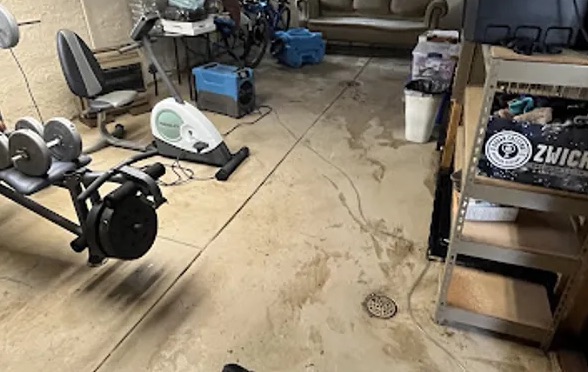
Industrial Drying Services for Oxford Properties
In Oxford, water trapped in the walls, floors and ceilings of commercial buildings causes mold, rot and decay if it is not dried properly.
Industrial dehumidification needs in Oxford and surrounding communities like Webster, Dudley and Charlton are handled by experienced water damage restoration pros. They manage everything from humidity control systems to flood cleanup on large sites. Help is available 24/7 whenever moisture problems come up.
Industrial Flood Damage Restoration in Oxford
Industrial Flood Damage Restoration
Restoring a flooded plant requires drying the entire environment. Pros reach moisture in high ceilings, equipment pits and storage areas.
Structural Drying Services
Drying the structure after a leak means getting studs, joists and slabs dry, not just the air in the room.
Warehouse Moisture Control
Warehouse humidity often climbs with the seasons and after leaks. Industrial dehumidifiers bring it back down, and placing them well protects stock and packaging.
Emergency Water Removal
When water invades a commercial space, every minute counts. The pros extract the bulk water first. Following extraction, industrial dehumidification tackles the remaining moisture.
Mold Remediation Services
Mold in a commercial building indicates a deeper moisture issue. The pros use industrial dehumidifiers to create a dry environment that inhibits mold.
Signs of Moisture Requiring Industrial Dehumidification in Oxford
Recent Flood or Spill
A burst pipe or overflow that soaks a commercial space needs cleanup and drying right away.
Warped or Buckling Materials
Swollen wood, peeling paint or distorted flooring are signs of too much moisture in the building.
Damp Insulation or Drywall
Wet materials behind walls or above ceilings stay wet for weeks without forced drying and can rot.
Peeling Adhesives or Labels
Boxes losing their shape and labels peeling off mean the storage area is holding too much moisture.
How Industrial Dehumidification Works in Oxford
Step 1: Site Assessment and Inspection
An inspection finds the water sources, the wet materials and how much cleanup is needed.
Step 2: Containment and Water Removal
Containment is set up if needed, then industrial extractors remove the bulk water.
Step 3: Deploy Drying Equipment
Desiccant and refrigerant dehumidifiers and air movers are placed to dry the building.
Step 4: Continuous Monitoring and Adjustment
Equipment runs around the clock, and humidity is checked so the setup can be adjusted as areas dry.
Sources of Moisture in Industrial and Commercial Buildings
Foundation Cracks and Seepage
Groundwater pushed up through cracks in slabs and walls keeps lower areas damp.
Burst Pipes or Plumbing Leaks
Failed supply lines, faulty fittings, or cracked pipes can release thousands of gallons.
Poor Ventilation and Airflow
Poor ventilation traps moisture from work processes and people inside the building.
Natural Disasters and Severe Weather
Flash floods, torrential rain and other extreme events can soak large buildings and need large-scale drying.
Industrial Dehumidification for All Properties in Oxford
Residential Industrial Dehumidification
Water damage from appliance overflows, AC leaks and roof problems affects homeowners in Oxford. Pros dry the structure with dehumidifiers to remove hidden moisture.
Commercial Industrial Dehumidification
In businesses, leaks and high humidity lead to downtime and lost stock. Industrial dehumidifiers dry the facility so it can get back to work.
Industrial Dehumidification vs. Do-It-Yourself in Oxford
A property owner can document the first damage with photos and written notes for the insurance provider before cleanup begins. Large-scale extraction and structural drying, though, take industrial pumps, dehumidifiers and trained pros.
Industrial Dehumidification Pricing in Oxford
Industrial flood cleanup costs depend on the scale of water removal and how many hours of structural drying are needed.
Structural Material Type
Concrete, wood and steel dry differently, which changes the approach and the time.
Equipment Quantity
The number of dehumidifiers, air movers and meters needed grows with the size of the flood.
Water Contamination Level
Clean, gray and black water need different safety steps and cleanup methods.
Does Insurance Cover Industrial Dehumidification?
The commercial drying experts in Oxford document the full extent of microbial growth and the underlying conditions, providing this evidence for the insurer to evaluate against the policy's terms.
Why Choose Local Pros for Industrial Dehumidification in Oxford
Containment Protocols
Where mold is found, barriers keep it from spreading to other parts of the building.
IICRC-Standard Drying Methods
The experts follow industry drying standards so moisture is fully removed from the structure.
Disaster Recovery Focus
Drying, cleaning and records are coordinated so the business can reopen sooner.
Emergency Flood Response in Oxford
Standing water left in a building can lead to mold within a day or two. Call (508) 219-6294 to reach the experts for commercial water cleanup and humidity control, any hour.
Call Now (508) 219-6294Industrial Dehumidification Available Throughout Oxford, Webster, Dudley and Charlton
Industrial drying for plants and warehouses is available in Oxford and in nearby Webster, Dudley and Charlton.
- Industrial Dehumidification in Webster
- Industrial Dehumidification in Dudley
- Industrial Dehumidification in Charlton
- Industrial Dehumidification in Auburn
- Industrial Dehumidification in Sutton
- Industrial Dehumidification in Douglas
- Industrial Dehumidification in Millbury
- Industrial Dehumidification in Leicester
- Emergency Damage Restoration in 01537
- Storm Damage Restoration in 01537
- Water Damage Restoration in 01537
- Water Extraction Service in 01537
- Water Leak Detection in 01537
- Water Removal Service in 01537
- Emergency Damage Restoration in 01540
- Storm Damage Restoration in 01540
Frequently Asked Questions About Industrial Dehumidification
What is industrial dehumidification?
It is removing excess moisture from the air and materials in commercial or industrial buildings after water damage, using large dehumidifiers.
What areas need drying after a warehouse flood?
All wet areas: floors, walls, stored contents and often the subfloor and insulation as well.
Does all water require the same cleanup approach?
No. Clean water from a supply line, gray water from appliances and black water from sewage each need different safety and cleanup steps.
What happens during the property restoration process?
Property restoration involves drying structural materials, cleaning affected surfaces and contents, and sometimes repairing or replacing damaged components after water intrusion.
What tools do commercial drying experts use for moisture control?
Local pros use an array of tools including penetrating and non-penetrating moisture meters, thermal imaging cameras, industrial-grade dehumidifiers, and high-volume air movers.