Harvard, MA · Worcester County
Desiccant Dehumidification in Harvard, MABasement Dehumidification & Firefighting Water Drying
Desiccant Dehumidification in Harvard runs from emergency dehumidification and flood drying services to firefighting water drying.
Answered 24/7
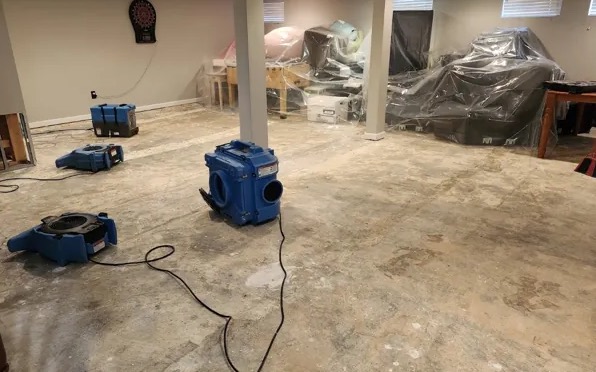
Desiccant Dehumidification: Moisture Control in Harvard
After water damage in Harvard, dry air pulls moisture out of wet materials. The drier the air, the faster walls, floors and framing give up their water.
A flood in a large Harvard building can need high-capacity drying. Local moisture removal pros serve Harvard and nearby Bolton, Lancaster and Clinton, with help available around the clock.
Comprehensive Desiccant Dehumidification for Harvard
Basement Dehumidification
Once readings show the basement is dry, equipment is removed and the space is ready for repairs.
Firefighting Water Drying
After a fire, water used by firefighters soaks walls, floors and ceilings. Desiccant drying helps dry those materials once debris is cleared.
Crawl Space Drying
Water is removed from the crawl space first, then desiccant drying brings humidity down so the framing can dry.
Water Damage Dehumidification
After a leak or flood, dehumidifiers remove moisture from the air so wet drywall, wood and carpet can dry out.
Emergency Dehumidification
Help is available any hour to set up drying equipment after a leak or flood, so moisture does not sit overnight in materials.
When to Consider Desiccant Dehumidification in Harvard
Active Mold Spots
Dark spots appearing on walls or ceilings mean materials stayed damp long enough for mold.
Visible Condensation on Windows
Windows that fog or drip inside show the air holds too much moisture for materials to dry.
Strong Damp Odor in Rooms
A damp smell that stays in a room after cleanup means materials there are still holding moisture.
Efflorescence on Masonry Surfaces
White, powdery deposits on masonry show water moving through concrete or block.
How Desiccant Dehumidification Works in Harvard
Step 1: Initial Damage Inspection
Humidity and moisture readings are taken across the affected area to set the drying plan.
Step 2: Deployment of Drying Equipment
Desiccant or standard dehumidifiers and air movers are placed based on the space and readings.
Step 3: Monitored Drying Cycle
Readings are logged daily, and equipment is moved or adjusted as each material dries.
Step 4: Completion and Clearance
Final readings confirm materials are dry, and the space is cleared for repairs.
Common Causes for Desiccant Dehumidification in Harvard
Fire Suppression System Activation
Fire sprinklers and firefighting water soak large areas of a building at once.
Foundation Cracks and Seepage
Foundation cracks let groundwater seep into lower levels, keeping walls and floors damp.
Roof Leaks From Damaged Shingles
Roof leaks from damaged shingles soak attic insulation, roof decking and the ceilings below.
Plumbing Leaks or Pipe Bursts
Burst pipes and leaking supply lines soak walls and floors that then need drying.
House & Business Desiccant Dehumidification in Harvard, MA
Residential Desiccant Dehumidification
Homes with wet attics after roof leaks may need attic drying equipment placed carefully on boards for safe footing.
Commercial Desiccant Dehumidification
Schools, offices and medical buildings may schedule equipment setup and removal after hours to limit disruption to staff and visitors.
Desiccant Dehumidification vs. DIY: When to Call the Pros
Buying a moisture meter can help you check walls after a small leak. For larger damage, readings from local moisture removal pros confirm when materials are truly dry.
Factors in Desiccant Dehumidification Pricing for Harvard
Flood cleanup, crawl space access, material removal and after-hours setup all add to the total for desiccant dehumidification in Harvard.
Number of Dehumidifiers
The number and size of dehumidifiers needed for the space is a major part of the cost.
Access and Complexity
Crawl spaces, tight areas and large buildings take more effort to set up and monitor.
Time of Response
Night, weekend and holiday setup can cost more than a scheduled weekday visit.
Does Insurance Cover Desiccant Dehumidification?
Daily humidity and moisture logs from the pros help support an insurance claim for drying after water damage in Harvard.
Why Choose Local Pros for Desiccant Dehumidification in Harvard
Targeted Drying
Equipment is placed for the specific materials and spaces that are wet.
Large Projects
Large buildings and job sites get drying plans that keep work and business moving.
Post-Flood Drying
Floodwater cleanup is followed by drying that continues until readings are normal.
Emergency Desiccant Dehumidification Response for Harvard
Wet materials keep soaking up moisture from damp air until drying starts. Call (508) 219-6294 for desiccant dehumidification in Harvard at any hour.
Call Now (508) 219-6294Desiccant Dehumidification Near Harvard: Areas Served
Nearby areas served for desiccant dehumidification include Bolton, Lancaster and Clinton, with the same equipment and readings used in Harvard.
- Desiccant Dehumidification in Bolton
- Desiccant Dehumidification in Lancaster
- Desiccant Dehumidification in Clinton
- Desiccant Dehumidification in Leominster
- Desiccant Dehumidification in Lunenburg
- Desiccant Dehumidification in Framingham
- Desiccant Dehumidification in Marlborough
- Desiccant Dehumidification in Sterling
- Emergency Damage Restoration in 01451
- Storm Damage Restoration in 01451
- Water Damage Restoration in 01451
- Water Extraction Service in 01451
- Water Leak Detection in 01451
- Water Removal Service in 01451
Answers to Top Desiccant Dehumidification Queries
What does water damage dehumidification include?
Taking readings, placing dehumidifiers and air movers, logging progress daily and confirming materials are dry.
What is involved in basement dehumidification after a flood?
Removing water, placing dehumidifiers and air movers and running them until concrete and framing read dry.
What is desiccant dehumidification used for?
Drying spaces after water damage where standard dehumidifiers struggle, such as cool crawl spaces, large buildings and dense materials.
Is desiccant dehumidifier rental available for DIY projects?
Units can be rented, but they need correct setup, and readings are needed to know when materials are dry.
What is the goal of flood drying services?
To remove the moisture left after floodwater is pumped out so the building can be cleaned and repaired.