Lancaster, MA · Worcester County
Broken Pipe Water Removal in Lancaster, MAPipe Leak Moisture Inspection & Broken Pipe Water Extraction
Broken Pipe Water Removal in Lancaster runs from broken pipe water extraction and wet drywall removal to flooded room drying.
Answered 24/7
Reliable Broken Pipe Water Removal for Properties in Lancaster
A broken drain pipe in Lancaster is different from a broken supply line. Drain water can carry waste and bacteria, so it needs cleaning and disinfection along with drying.
In Lancaster, many broken pipe calls involve a supply line under a sink or behind a washer. Local broken pipe water removal pros serve Lancaster, Clinton, Sterling and Bolton, extracting the water and drying the area.
The Broken Pipe Water Removal Process in Lancaster
Pipe Leak Moisture Inspection
Moisture meters and thermal cameras check walls, floors and ceilings near the broken pipe to find water that is not visible.
Broken Pipe Water Extraction
Water from a broken pipe spreads under walls and cabinets. Extractors follow it into closets, hallways and the floor below if it got through.
Wet Drywall Removal
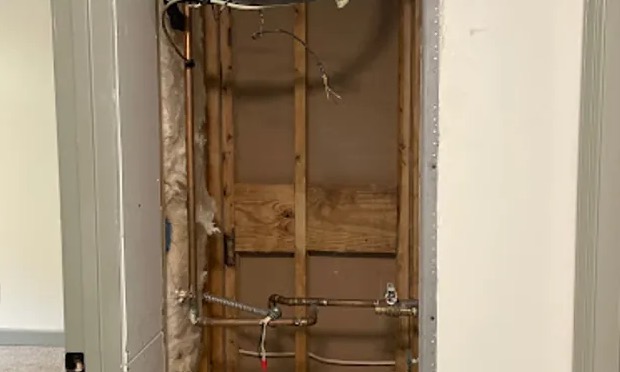
Drywall that soaked up water from a broken pipe is cut back above the wet line, opening the cavity so the studs and insulation can dry.
Pipe Leak Water Cleanup
Leak cleanup covers the hidden places a pipe leak reaches: inside the wall, under the sink base and beneath flooring near the leak.
Flooded Room Drying
Air movers and dehumidifiers dry the walls, floor and framing in each wet room, with readings taken daily until they are back to normal.
Indicators of Water Damage Requiring Broken Pipe Water Removal
Musty Odors or Mold
A musty smell or dark spots near plumbing walls mean water has been sitting for some time.
Sudden Drop in Water Pressure
A sudden drop in water pressure at one or more fixtures can mean a pipe has broken somewhere.
Mold on Baseboards or Trim
Dark spots on baseboards or trim near plumbing mean the area has stayed wet for days.
Spiking Water Bills
A water bill that jumps with no change in use is a common sign of a hidden broken pipe.
How Broken Pipe Water Removal Works in Lancaster
Step 1: Initial Pipe Leak Assessment
The pros find the broken pipe, check the type of water and map how far it spread.
Step 2: Water Extraction Service
Water is removed from floors, carpet and cabinet bases, and wet belongings are moved.
Step 3: Targeted Wet Drywall Removal
Drywall that soaked up water is cut back above the wet line so the cavity can dry.
Step 4: Documentation for Your Insurance
Photos, readings and a list of removed materials are prepared for your claim.
Broken Pipe Causes and Common Failure Points
Faulty Pipe Joints and Connections
Loose fittings, worn washers and failing solder joints let water escape at the joints between pipes.
Corroded or Aged Plumbing
Old galvanized or copper pipes corrode from the inside and eventually crack or develop pinholes.
Frozen Pipe Expansion and Rupture
Water left in pipes in unheated spaces can freeze, expand and split the pipe.
Ground Settlement or Shifting
Soil movement under a slab or foundation can bend and crack buried pipes.
Broken Pipe Water Removal for All Property Types in Lancaster
Residential Broken Pipe Water Removal
In homes, broken pipes most often affect kitchens, bathrooms, laundry rooms and the ceilings below them. Water is extracted, wet materials removed and the rooms dried.
Commercial Broken Pipe Water Removal
In offices, stores and restaurants, a broken pipe can flood several rooms overnight. Extraction and drying are planned around business hours to reopen quickly.
DIY Water Removal vs. Professional Broken Pipe Water Removal
Fans and open windows dry surfaces but not wall cavities or subfloors. Professional drying uses dehumidifiers and readings to confirm the hidden areas are dry.
Factors Influencing Broken Pipe Water Removal Cost
Drying in place costs less than replacing materials. In Lancaster, extraction after a broken pipe makes drying in place more likely.
Emergency Service Timing
Night, weekend and holiday calls can cost more than a scheduled weekday visit.
Affected Building Materials
Drywall, flooring, cabinets and insulation each take different work to dry or replace.
Required Drying Equipment
The number of air movers and dehumidifiers, and how many days they run, drives much of the cost.
Does Insurance Cover Broken Pipe Water Removal?
Photos, moisture readings and drying logs from the pros help support an insurance claim for broken pipe damage in Lancaster.
Advantages of Local Broken Pipe Water Removal Experts
Extraction Equipment
Pumps and extractors remove water much faster than towels or a shop vac.
Proactive Mold Prevention
Starting drying soon after extraction is the main way to prevent mold after a broken pipe.
Wet Material Removal Protocol
Only materials that cannot be saved are removed, based on moisture readings rather than guesswork.
Always-Available Emergency Broken Pipe Water Removal
Pipe broke in Lancaster? Shut off the main water valve, turn off power to wet rooms and call (508) 219-6294. Help is available 24/7.
Call Now (508) 219-6294Broken Pipe Water Removal Near Lancaster: Areas Served
Help with broken pipe water removal reaches Clinton, Sterling and Bolton, plus other communities around Lancaster, for houses, apartments and commercial buildings.
- Broken Pipe Water Removal in Clinton
- Broken Pipe Water Removal in Sterling
- Broken Pipe Water Removal in Bolton
- Broken Pipe Water Removal in Harvard
- Broken Pipe Water Removal in Boylston
- Broken Pipe Water Removal in Leominster
- Broken Pipe Water Removal in West Boylston
- Broken Pipe Water Removal in Northborough
- Emergency Damage Restoration in 01523
- Storm Damage Restoration in 01523
- Water Damage Restoration in 01523
- Water Extraction Service in 01523
- Water Leak Detection in 01523
- Water Removal Service in 01523
- Emergency Damage Restoration in 01561
- Storm Damage Restoration in 01561
Common Queries About Broken Pipe Water Removal
What should I do right after discovering a broken pipe?
Shut off the main water valve, turn off power to wet areas if safe, move belongings and call for extraction.
How long does flooded room drying take?
Often several days, depending on how much water there was, how long it sat and what materials got wet.
What are the steps for home water damage cleanup after a broken pipe?
Stop the water, extract it, remove what cannot be saved, dry the structure and confirm with readings.
What equipment is used for pipe leak water cleanup?
Pumps, extractors, air movers and dehumidifiers, plus moisture meters and thermal cameras to find hidden water.
Why is mold prevention part of broken pipe cleanup?
Materials that stay wet for more than a day or two can support microbial growth, so drying is the main prevention.