Lancaster, MA · Worcester County
Moisture Detection Services in Lancaster, MAWall Cavity Moisture Detection & Thermal Imaging Moisture Detection
Moisture Detection Services in Lancaster includes wall cavity moisture detection, subfloor moisture inspection and post-flood moisture assessment.
Answered 24/7
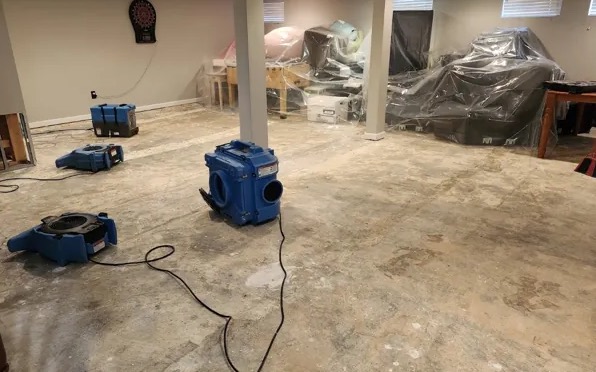
Moisture Detection Services from Trusted Water Damage Pros in Lancaster
Water from a roof leak or plumbing failure can travel far from where it started. Moisture detection pros in Lancaster trace its path with meters and thermal cameras.
Properties in Lancaster and nearby areas like Clinton, Sterling and Bolton benefit from precise moisture detection services to address hidden water damage. The pros use infrared moisture scanning and pinless meter testing to identify dampness in walls and floors, helping prevent mold and structural issues.
Detailed Moisture Detection Services Offered in Lancaster
Wall Cavity Moisture Detection
By finding moisture in wall cavities early, the pros can address it before it causes structural weakening or widespread mold growth in your Worcester home.
Thermal Imaging Moisture Detection
A thermal camera scan is a core method for hidden moisture detection. It shows water migration patterns inside building assemblies.
Subfloor Moisture Inspection
The subfloor inspection provides concrete data on a hidden but essential part of a home. The pros in Lancaster rely on this information to protect the investment and ensure a stable floor.
Roof Leak Water Tracing
Understanding the water's path is key to a permanent fix. The pros in Lancaster employ roof leak tracing so every damp material along the route is identified and addressed.
Post-Flood Moisture Assessment
After a flood, water can hide in unexpected places. The experts perform this detailed assessment to help ensure no area is missed, preventing future odors and structural damage.
When to Consider Moisture Detection Services in Lancaster
High Indoor Humidity Levels
Your home consistently feels muggy or clammy. Elevated humidity readings can point to a hidden moisture source.
Recent Plumbing Leak or Flood
After any past water incident, dampness can linger unseen in walls and floors and should be checked with meters.
Staining on Walls or Ceilings
Yellow, brown, or dark water stains appear on surfaces. These stains are clear indicators of past or ongoing moisture intrusion.
Condensation on Windows or Pipes
Excessive condensation forms on cold surfaces. This often suggests high moisture levels within the building envelope.
How Moisture Detection Services Work in Lancaster
Step 1: Emergency Response and Evaluation
Upon quick action, the pros perform an emergency evaluation of the water damage situation. They prioritize safety and identify immediate moisture detection needs.
Step 2: Humidity Testing and Environment Scan
Ambient humidity testing and a full environment scan establish baseline moisture levels. This data helps differentiate between surface dampness and deeply absorbed moisture.
Step 3: Wet Spot Detection and Mapping
Floors, walls and ceilings are checked in a grid, and each wet area is logged on a moisture map.
Step 4: Material Dryness Verification Final
The process ends with a final material dryness verification once drying is complete. Pros confirm all structural components are dry to prevent future secondary damage.
What Leads to Needing Moisture Detection Services in Lancaster
Window and Door Seal Failures
Degraded caulk and weatherstripping let rain drive in. This water soaks into framing.
Failed or Clogged Drainage Systems
Gutters, downspouts, or French drains that are blocked cause backups. Water then migrates into walls and basements.
Appliance Malfunctions and Overflows
Failed water heaters, washing machines or ice makers often leave moisture hidden under floors.
Construction Defects and Poor Flashing
Improper installation during building allows water entry points. These defects often cause complex moisture inspection scenarios.
Moisture Detection Services Serving Both Residences and Companies in Lancaster
Residential Moisture Detection Services
Household air quality suffers when wall cavities or subfloors remain damp, encouraging allergens. Families need a dry, healthy living environment.
Commercial Moisture Detection Services
In warehouses, medical facilities, or schools, hidden moisture risks include equipment corrosion and microbial contamination. Regular humidity testing is a proactive measure.
Moisture Detection Services vs. DIY: When to Call Local Pros
Checking visible pipes under sinks or around toilets for condensation or drips is a reasonable DIY task. Monitor areas that previously had leaks for any new signs of staining.
Understanding Moisture Detection Services Cost in Lancaster, MA
The investment for professional moisture detection in Lancaster is influenced by the accessibility of wet spots, like behind walls or under floors, and the equipment used for accurate humidity testing and verification.
Reporting Detail
Detailed moisture maps and reports for an insurance claim take extra time, which can add to the cost.
Follow-Up Visits
If structural drying verification or repeated dryness checks are needed, additional trips will contribute to the total project cost.
Damage Extent
The severity and spread of hidden moisture, from a small leak to widespread saturation, determine the scope and cost of detection.
Does Insurance Cover Moisture Detection Services?
Whether insurance pays for hidden moisture detection depends on the loss details and your specific coverage. You are advised to contact your insurer to discuss coverage for these diagnostic services.
Benefits of Local Pros for Moisture Detection Services in Lancaster
IICRC-Standard Methods
Moisture detection follows industry-approved protocols for accurate scanning and verification, ensuring reliable data for your situation.
Non-Invasive Inspection
Techniques like infrared moisture scanning locate water without unnecessary damage to your walls, floors, or ceilings.
Multi-Point Testing
Inspection covers various points from wall cavities to subfloors, helping ensure no hidden wet spots are overlooked.
Around-the-Clock Help for Emergency Moisture Detection Services in Lancaster
Water coming through a ceiling after rain? Call (508) 219-6294 for moisture detection that traces the water and records what it reached.
Call Now (508) 219-6294Locations for Moisture Detection Services Near Lancaster
Hidden moisture can stay after any water event. Local pros in Lancaster and nearby Clinton, Sterling and Bolton use thermal scans and humidity testing to find it.
- Moisture Detection Services in Clinton
- Moisture Detection Services in Sterling
- Moisture Detection Services in Bolton
- Moisture Detection Services in Harvard
- Moisture Detection Services in Boylston
- Moisture Detection Services in Leominster
- Moisture Detection Services in West Boylston
- Moisture Detection Services in Northborough
- Emergency Damage Restoration in 01523
- Storm Damage Restoration in 01523
- Water Damage Restoration in 01523
- Water Extraction Service in 01523
- Water Leak Detection in 01523
- Water Removal Service in 01523
- Emergency Damage Restoration in 01561
- Storm Damage Restoration in 01561
Your Moisture Detection Services Questions Addressed
Is moisture detection necessary for insurance?
Thorough moisture detection provides documented proof of damage extent with readings and maps, which is valuable evidence for your insurance claim process.
Does moisture detection require damaging walls?
Non-invasive methods like infrared scanning and pinless meter testing typically locate moisture without damage; only minimal probing is needed if deeper verification is required.
What happens after wet spot detection?
After detection, a report details the locations and levels, which guides the planning for structural drying, repairs, and serves as documentation for records.
Why is humidity testing part of the process?
Humidity testing measures ambient moisture in the air, which helps assess drying conditions and the risk of condensation affecting materials.
How soon after a flood should moisture be assessed?
A post-flood moisture assessment should begin within 24-48 hours to accurately map damage and support rapid drying before secondary issues like mold develop.