Wrentham, MA · Norfolk County
Basement Water Removal in Wrentham, MABasement Water Pump Out & Sump Pump Failure Water Cleanup
After a burst pipe or storm, Basement Water Removal in Wrentham means basement water pump out, basement wall drying and basement drying services.
Answered 24/7
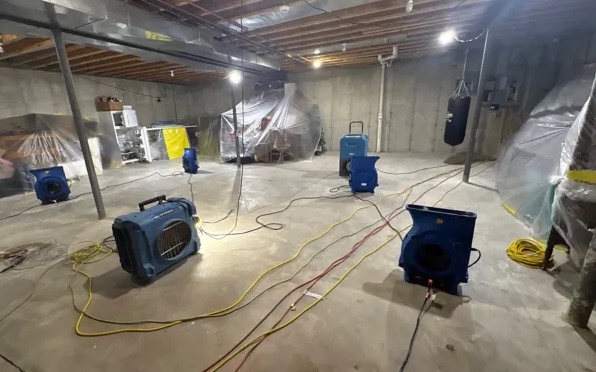
Local Basement Water Removal Services for Wrentham
Basement Water Removal in Wrentham starts with safety. Water near the furnace, water heater or electrical panel can be dangerous, so power is made safe before anyone steps into it.
Homeowners in Wrentham can call (508) 219-6294 day or night when the basement is taking on water. Service also covers Norfolk, Franklin and Foxborough, with the same pumping and drying steps.
Specialized Basement Water Removal for Wrentham
Basement Water Pump Out
Pumping starts once power to the basement is safe. Deep water goes first, then extractors handle the thin layer left on the floor.
Sump Pump Failure Water Cleanup
A backup pump or battery system is worth discussing with a plumber after the cleanup, since sump failures often repeat in storms.
Basement Floor Water Damage
Concrete floors are squeegeed, extracted and dried with airflow and dehumidifiers until moisture readings drop.
Basement Drying Services
After pumping, air movers and dehumidifiers dry the walls, framing and slab. Readings are taken daily until every surface is back to normal.
Basement Wall Drying
Concrete and block walls dry with directed airflow and dehumidification, which pull water out of the masonry.
When to Call for Basement Water Removal in Wrentham
Gurgling Sounds From Drains
Gurgling floor drains or slow drains can be an early sign of a sewer line problem.
Musty Odors and Mold Smell
A musty or damp smell in the basement points to wet materials hidden somewhere in the space.
Sump Pump Failure or Overflow
A sump pit that is full, overflowing or has a pump that will not start means water is about to spread.
Rusted Appliances or Furniture
Rust on appliance bases, furniture legs or metal shelving points to standing water or long-term dampness.
How Basement Water Removal Works in Wrentham
Step 1: First Call and Initial Assessment
The source, the type of water and the depth are checked, and the water level is photographed.
Step 2: Bulk Water and Contaminant Removal
Pumps remove standing water, and carpet, pad or drywall touched by dirty water is removed.
Step 3: Drying With Monitoring
Dehumidifiers and air movers run around the clock, with readings logged every day on walls and slab.
Step 4: Post-Drying Evaluation and Documentation
Final readings and photos are compiled to show the basement is dry and what was removed.
Sources of Basement Water Problems
Appliance Malfunctions and Overflows
Washers, utility sinks and water softeners in the basement can overflow or leak.
Heavy Rainfall and Storm Flooding
Heavy rain saturates the soil and pushes water through walls, cracks and the floor joint.
Improper Landscape Grading
Soil that slopes toward the house directs rainwater straight to the basement walls.
High Water Table and Hydrostatic Pressure
A high water table presses groundwater against the slab and walls, forcing it inside.
Both Residential & Commercial Basement Water Removal
Residential Basement Water Removal
In homes, a wet basement often means damaged carpet, drywall and stored belongings, plus a furnace or water heater sitting in water. Water is pumped out and the space dried.
Commercial Basement Water Removal
In commercial buildings, basements often house mechanical rooms and storage. Water is removed so systems can be checked to determine whether they can be restarted safely.
Why DIY Basement Water Removal Often Fails in Wrentham
Water that came up through a floor drain may be sewage. Avoid touching it, keep children and pets away and call local water damage pros for cleanup with protective gear and disinfection.
What Influences the Price of Basement Water Removal
In Wrentham, the drying phase usually costs more than the pumping, because basements need equipment running for several days.
Water Depth and Volume
Deeper water takes more pumping time and usually means more materials got wet.
Access and Complexity
Narrow stairs, low ceilings and crowded storage areas make the work slower and longer.
Additional Services
Antimicrobial treatment, contents cleaning and repairs after drying add to the cost.
Does Insurance Cover Basement Water Removal?
Many homeowner policies cover sudden basement water from a burst pipe but not groundwater seepage. Sewer backup coverage is often an add-on, so check yours.
Why Wrentham Homeowners Trust Local Pros for Basement Water Removal
Methodical Water Removal Process
Water is removed in a set order: pump-out, extraction, removal of soaked materials, then drying.
24/7 Emergency Response
Help is available day or night when water is rising in the basement.
Advanced Drying Equipment
Pumps, extractors and large dehumidifiers remove water much faster than household tools.
Emergency Basement Flood Response in Wrentham
Basement taking on water in Wrentham? Make power safe if you can, move what you can and call (508) 219-6294. Help is available 24/7.
Call Now (508) 219-6294Basement Water Removal Near Wrentham: Areas Served
Need basement water removal outside Wrentham? Service also covers Norfolk, Franklin and Foxborough, including emergency help during storms.
- Basement Water Removal in Norfolk
- Basement Water Removal in Franklin
- Basement Water Removal in Foxborough
- Basement Water Removal in Plainville
- Basement Water Removal in North Attleborough
- Basement Water Removal in Mansfield
- Basement Water Removal in Bellingham
- Basement Water Removal in Walpole
- Emergency Damage Restoration in 02093
- Storm Damage Restoration in 02093
- Water Damage Restoration in 02093
- Water Extraction Service in 02093
- Water Leak Detection in 02093
- Water Removal Service in 02093
Answers to Top Basement Water Removal Queries
Does basement flood cleanup include mold prevention?
Fast drying is the main prevention. Wood and concrete that stayed wet can be treated with an antimicrobial once dry.
How long does basement drying take?
Often several days or longer, because concrete and cool basement air hold moisture. Daily readings show when it is done.
What should I do right after basement flooding?
Make power safe, avoid sewage, move belongings above the water, take photos and call for water removal.
What is involved in basement leak cleanup?
Stopping the leak, extracting the water, drying the floor and walls and checking for hidden moisture under flooring.
What causes basement floor water damage?
Storm seepage, burst pipes, appliance leaks, foundation cracks and sewer backups through floor drains are the usual sources.