Norfolk, MA · Norfolk County
Basement Water Removal in Norfolk, MABasement Moisture Inspection & Basement Water Pump Out
Basement Water Removal in Norfolk includes basement water pump out, basement drying services and basement moisture inspection.
Answered 24/7
Expert Basement Water Removal in Norfolk, Wrentham, Millis and Medway
Basement Water Removal in Norfolk starts with safety. Water near the furnace, water heater or electrical panel can be dangerous, so power is made safe before anyone steps into it.
Homes in Norfolk and nearby Wrentham, Millis and Medway with basements face storm seepage, sewer backups and plumbing leaks. Help with basement water removal covers pump-out, wall and floor drying and dehumidification.
The Basement Water Removal Process in Norfolk
Basement Moisture Inspection
Readings are recorded at each visit, giving you and your insurer a clear record of the drying.
Basement Water Pump Out
When water is more than an inch or two deep, pumps move it far faster than wet vacs, which limits how long walls sit in water.
Basement Dehumidification
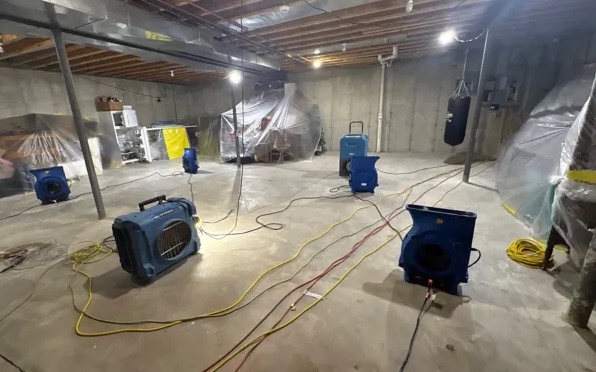
Large dehumidifiers pull moisture from basement air, which lets walls, framing and the slab release the water they absorbed.
Basement Wall Drying
Basement walls are checked with moisture meters. Wet drywall is cut back above the water line, and insulation behind it is removed.
Basement Drying Services
After pumping, air movers and dehumidifiers dry the walls, framing and slab. Readings are taken daily until every surface is back to normal.
Signs of Basement Water Damage in Norfolk
Musty Odors and Mold Smell
A musty or damp smell in the basement points to wet materials hidden somewhere in the space.
Sump Pump Failure or Overflow
A sump pit that is full, overflowing or has a pump that will not start means water is about to spread.
High Humidity and Condensation
Water on pipes and windows, or a constantly clammy feel, means basement humidity is too high.
Gurgling Sounds From Drains
Gurgling floor drains or slow drains can be an early sign of a sewer line problem.
How Basement Water Removal Works in Norfolk
Step 1: Source Control and Water Pump Out
The leak is shut off and standing water is pumped out, starting at the lowest point.
Step 2: Water Extraction
Extractors pull water from carpet, pad and concrete, and wet vacs clear corners and stairs.
Step 3: Dehumidification and Drying
Large dehumidifiers and air movers dry walls, framing and slab over several days.
Step 4: Inspection and Clearance for Repair
Final readings confirm the basement is dry and ready for drywall and flooring repairs.
Common Causes of Basement Water Damage in Norfolk
Clogged or Damaged Gutters
Clogged gutters and short downspouts dump roof water right next to the foundation.
Appliance Malfunctions and Overflows
Washers, utility sinks and water softeners in the basement can overflow or leak.
Window Well Leaks and Drainage
Window wells without drains or covers fill with rain and leak through the windows.
Foundation Cracks and Seepage
Cracks in foundation walls and the slab let groundwater seep in during wet weather.
Basement Water Removal for Homes and Businesses
Residential Basement Water Removal
Older homes with a basement may see seepage with every heavy storm. Water removal handles the current damage, and the entry point is noted for a waterproofing contractor.
Commercial Basement Water Removal
Multi-unit buildings with shared basements need each storage and laundry area pumped, dried and documented for the property manager.
Basement Water Removal vs. DIY: When to Call the Pros
Checking appliance hoses and extending downspouts away from the house are good DIY steps before storm season. Once the basement floods, call (508) 219-6294 for help.
Investing in Professional Basement Water Removal
Sewage cleanup, finished walls, after-hours calls and damaged appliances all add to the total for basement water removal in Norfolk.
Additional Services
Antimicrobial treatment, contents cleaning and repairs after drying add to the cost.
Basement Square Footage
Larger basements need more extraction, more drying equipment and more days of drying.
Time of Service
Night, weekend and storm calls can cost more than a scheduled weekday visit.
Does Insurance Cover Basement Water Removal?
Photograph the water level, damaged belongings and appliances before cleanup, and keep receipts for emergency pumping and drying equipment for your adjuster.
Benefits of Hiring Local Pros for Basement Water Removal in Norfolk
Post-Service Moisture Verification
Final readings are recorded before equipment leaves, so you know the basement is dry.
Moisture Inspection
Meters and thermal cameras find water in walls, floors and slab that looks dry.
Detailed Damage Documentation
Photos, readings and drying logs are kept to support your insurance claim.
Round-the-Clock Basement Water Removal for Norfolk
Standing water in a basement soaks walls and floors by the hour. Call (508) 219-6294 for basement water removal in Norfolk at any time, day or night.
Call Now (508) 219-6294Communities Served for Basement Water Removal
Besides Norfolk, local water extraction experts handle basement pump-outs, wall drying and dehumidification in nearby Wrentham, Millis and Medway.
- Basement Water Removal in Wrentham
- Basement Water Removal in Millis
- Basement Water Removal in Medway
- Basement Water Removal in Walpole
- Basement Water Removal in Franklin
- Basement Water Removal in Medfield
- Basement Water Removal in Foxborough
- Basement Water Removal in Plainville
- Emergency Damage Restoration in 02056
- Storm Damage Restoration in 02056
- Water Damage Restoration in 02056
- Water Extraction Service in 02056
- Water Leak Detection in 02056
- Water Removal Service in 02056
Answers to Top Basement Water Removal Queries
Is a sump pump failure an emergency?
Yes, especially during rain. Groundwater can rise quickly once the pump stops, flooding the floor and finished rooms.
How is basement wall drying done?
Wet drywall is cut back, insulation removed and directed airflow and dehumidifiers dry the studs and masonry.
Why is basement dehumidification important after pumping?
Walls and concrete keep releasing moisture for days. Dehumidifiers remove it so the basement does not stay damp.
What should I do right after basement flooding?
Make power safe, avoid sewage, move belongings above the water, take photos and call for water removal.
What is the difference between a pump out and extraction?
A pump out removes deep standing water. Extraction pulls the remaining water from carpet, pad and floors.