Athol, MA · Worcester County
Basement Water Removal in Athol, MABasement Dehumidification & Basement Moisture Inspection
Basement Water Removal in Athol handles basement wall drying, basement floor water damage and basement dehumidification before the space turns musty.
Answered 24/7
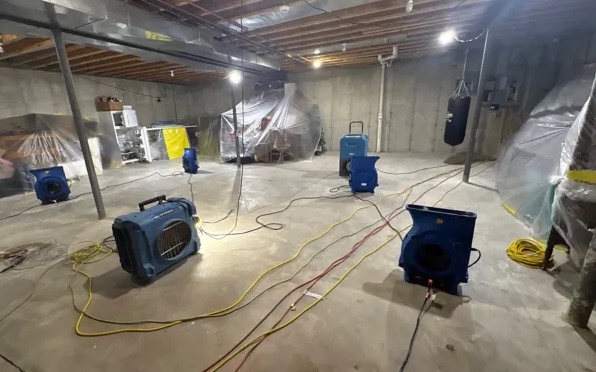
Local Basement Water Removal Services for Athol
Basement Water Removal in Athol protects more than the floor. Furnaces, water heaters, washers and stored belongings in the basement can all be damaged by standing water.
Homeowners in Athol can call (508) 219-6294 day or night when the basement is taking on water. Service also covers Templeton, Winchendon and Gardner, with the same pumping and drying steps.
Comprehensive Basement Water Removal Solutions
Basement Dehumidification
Dehumidifiers run continuously during drying, and their output is checked to track how much water is still coming out of the materials.
Basement Moisture Inspection
Readings are recorded at each visit, giving you and your insurer a clear record of the drying.
Basement Floor Water Damage
Flooring that buckled or swelled is removed. Tile and sealed concrete can often be cleaned and dried in place.
Basement Water Pump Out
When water is more than an inch or two deep, pumps move it far faster than wet vacs, which limits how long walls sit in water.
Basement Wall Drying
Opening the bottom of finished walls lets air reach the studs and sill plate, which otherwise stay wet behind the drywall.
Signs of Basement Water Damage in Athol
Water Stains on Walls or Ceiling
Stains on lower walls or the ceiling below a bathroom or kitchen point to a leak.
Wet or Damp Basement Walls
Basement walls that look dark, feel damp or show tide lines are taking on or holding water.
Warped or Buckling Flooring
Flooring that buckles, lifts or feels spongy has water trapped between it and the slab.
Efflorescence on Concrete Walls
White, powdery deposits on concrete walls mean water is passing through the masonry.
How Basement Water Removal Works in Athol
Step 1: First Call and Initial Assessment
The source, the type of water and the depth are checked, and the water level is photographed.
Step 2: Bulk Water and Contaminant Removal
Pumps remove standing water, and carpet, pad or drywall touched by dirty water is removed.
Step 3: Drying With Monitoring
Dehumidifiers and air movers run around the clock, with readings logged every day on walls and slab.
Step 4: Post-Drying Evaluation and Documentation
Final readings and photos are compiled to show the basement is dry and what was removed.
Common Causes of Basement Flooding in Athol
Foundation Cracks and Seepage
Cracks in foundation walls and the slab let groundwater seep in during wet weather.
Improper Landscape Grading
Soil that slopes toward the house directs rainwater straight to the basement walls.
Sump Pump Malfunction or Power Loss
A sump pump that fails mechanically or loses power during a storm lets groundwater rise.
High Water Table and Hydrostatic Pressure
A high water table presses groundwater against the slab and walls, forcing it inside.
Basement Water Removal for Homes and Businesses
Residential Basement Water Removal
Older homes with a basement may see seepage with every heavy storm. Water removal handles the current damage, and the entry point is noted for a waterproofing contractor.
Commercial Basement Water Removal
Multi-unit buildings with shared basements need each storage and laundry area pumped, dried and documented for the property manager.
The Risks of DIY Basement Water Removal
Do not step into basement water if cords, outlets or appliances are in it. Shut off power at the panel only if you can reach it from a dry spot, then call (508) 219-6294.
What Influences the Price of Basement Water Removal
In Athol, the drying phase usually costs more than the pumping, because basements need equipment running for several days.
Water Depth and Volume
Deeper water takes more pumping time and usually means more materials got wet.
Drying Time Required
Basements dry slowly, and each extra day of equipment adds to the total.
Time of Service
Night, weekend and storm calls can cost more than a scheduled weekday visit.
Does Insurance Cover Basement Water Removal?
Coverage for basement water removal depends on the water source and your policy. The pros document the damage and drying, and your insurer decides what is covered.
Advantages of Local Basement Water Removal Experts
Contamination Safety Protocols
Sewage and dirty water are handled with protective gear, containment and disinfection.
Clear Communication
You get plain updates on what was found, what was removed and how drying is going.
Focus on Drying Outcomes
Drying continues until readings are normal, not just until surfaces look dry.
Emergency Basement Flood Response in Athol
The faster a basement is pumped out, the more can be saved. Call (508) 219-6294 for basement water removal in Athol as soon as you see water.
Call Now (508) 219-6294Communities Served for Basement Water Removal
Besides Athol, local water extraction experts handle basement pump-outs, wall drying and dehumidification in nearby Templeton, Winchendon and Gardner.
- Basement Water Removal in Templeton
- Basement Water Removal in Winchendon
- Basement Water Removal in Gardner
- Basement Water Removal in Barre
- Basement Water Removal in Ashburnham
- Basement Water Removal in Westminster
- Basement Water Removal in Amherst
- Basement Water Removal in Rutland
- Emergency Damage Restoration in 01331
- Storm Damage Restoration in 01331
- Water Damage Restoration in 01331
- Water Extraction Service in 01331
- Water Leak Detection in 01331
- Water Removal Service in 01331
Common Basement Water Removal Questions Answered
Can I dry my basement myself with fans?
Fans help with surface water, but walls and concrete need dehumidifiers and readings to dry fully.
Why is fast water removal so important for basements?
Basements dry slowly, so every hour of standing water adds drying days and more materials to replace.
What happens during basement moisture control?
Dehumidifiers and air movers keep humidity low while materials dry, and readings confirm when the space is normal.
How long does basement drying take?
Often several days or longer, because concrete and cool basement air hold moisture. Daily readings show when it is done.
What is the difference between a pump out and extraction?
A pump out removes deep standing water. Extraction pulls the remaining water from carpet, pad and floors.