Fitchburg, MA · Worcester County
Water Damage Restoration in Fitchburg, MAFlood Cleanup & Sewage Cleanup
Water Damage Restoration in Fitchburg covers water removal, sewage cleanup and storm damage repair.
Answered 24/7
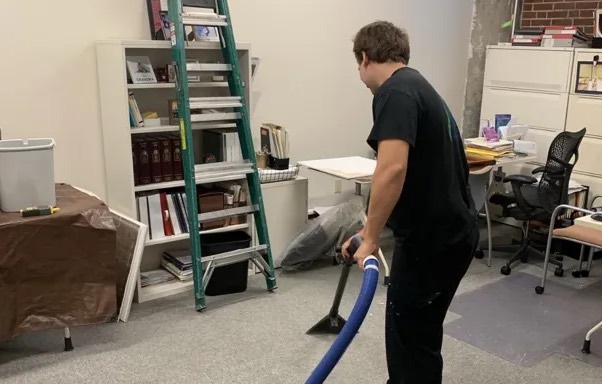
Water Damage Restoration Response in Worcester County
For homes and businesses in Fitchburg, fast action prevents weakened structure and mold. Local water damage pros clean up floods and dry the building with professional tools.
Around Fitchburg, including Lunenburg, Leominster and Westminster, restoration pros remove water from affected homes and businesses and dry the structure to keep mold from starting.
Comprehensive Water Damage Restoration Offerings in Fitchburg
Flood Cleanup
Flood water can carry contaminants. The pros in Fitchburg remove ruined materials, extract the water and apply antimicrobial treatment.
Sewage Cleanup
Toilet and drain backups bring sewage into the home. The pros in Fitchburg remove the contaminated water and disinfect with strict safety steps.
Mold Prevention After Water Damage
Drying wet drywall, framing and carpet to normal readings limits the moisture mold needs in Fitchburg homes.
Water Removal
Quick water removal in Fitchburg extracts standing water using powerful pumps. This first step helps prevent further damage to floors and base materials.
Structural Drying
Structural drying stabilizes the property to prevent secondary damage. It requires knowledge of drying science and the right equipment. For properties in Fitchburg, this service is fundamental.
Indicators of Water Damage in Fitchburg Homes
Wet or Damp Attic Insulation
Damp insulation in the attic loses effectiveness and can rot wood. Attic drying and removal may be necessary for proper repair.
Water Stains on Ceilings
Yellow or brown ceiling stains indicate an ongoing water leak from above. The pros should inspect to identify the hidden source.
Visible Mold Patches
Any visible mold, especially after a leak, means moisture has stayed long enough for spores to grow.
Cracked or Warping Floorboards
Hardwood floors that warp, cup, or crack are reacting to moisture. The pros can assess and begin drying.
How Water Damage Restoration Works in Fitchburg
Step 1: First Call and Inspection
An inspection after your call finds the type of water and how far it spread.
Step 2: Bulk Water and Sewage Cleanup
All bulk water, including hazardous Category 3 water from sewage backups, is removed. Specialized sewage cleanup protocols are used for safety.
Step 3: Detailed Moisture Removal
Moisture trapped in subfloors, drywall and insulation is pulled out with targeted drying.
Step 4: Property Restoration Completion
The final phase involves repairing or replacing damaged structural elements and finishes, with the goal of a dry, usable property.
Leading Causes of Water Damage in Fitchburg
Foundation Cracks and Seepage
Hydrostatic pressure can push groundwater through foundation cracks into basements. Flooded basement cleanup and exterior waterproofing are typical solutions.
Faulty or Clogged Gutters
Gutters that overflow or detach pour water against the home's siding. This leads to wall and basement water damage over time.
Natural Flooding From Heavy Rain
Heavy rain can overwhelm drainage and send surface water inside through doors and low spots.
Sewer Line Backups or Overflows
Blocked main sewer lines or septic failures can push sewage up into the home through drains.
Residential and Commercial Water Damage Restoration in Fitchburg
Residential Water Damage Restoration
At home, cleaning up a flooded basement protects the foundation and removes electrical hazards. Pros pump out the water, start drying and check for mold.
Commercial Water Damage Restoration
Restaurants, hotels and clinics have strict health rules after water damage. Sewage backups need cleaning and disinfection, with extra care in kitchens and patient areas.
When Water Damage Restoration Requires a Pro in Fitchburg
For a minor bathroom overflow, use towels and a squeegee on tile. Check for water under the toilet base. Running a dehumidifier can help. If water is under baseboards or subfloor damage is suspected, professional water damage cleanup is necessary.
Understanding Water Damage Restoration Costs in Fitchburg
In Fitchburg, the materials involved affect the price. Drywall is simpler to dry or replace than hardwood or cabinets, which may need refinishing or replacement.
Affected Materials
Restoration costs vary if water damages drywall, hardwood floors, or custom cabinetry, as each material has different repair or replacement requirements.
Area Accessibility
Difficult-to-access areas like crawl spaces or attics may require specialized equipment, increasing the time and cost for the experts to complete the work.
Secondary Damage Remediation
Extra work like mold removal or storm repairs adds its own scope and cost.
Does Insurance Cover Water Damage Restoration?
Mold cleanup after water damage might be covered if the mold came from a sudden, covered leak. Coverage is often limited, so review your policy.
Why Choose Local Pros for Water Damage Restoration in Fitchburg
Comprehensive Water Extraction
Industrial pumps and extractors remove standing water in homes and commercial buildings.
Contamination Safety Protocols
For sewage or dirty flood water, the pros wear protective gear and treat surfaces to reduce health risks.
Detailed Damage Documentation
Pros systematically photograph the damage and record moisture readings, creating a clear visual and data record that can be useful for insurance purposes.
Round-the-Clock Water Damage Restoration in Fitchburg
Extensive water damage demands early professional help. Waiting can lead to costly secondary damage like mold growth. Secure emergency water removal and drying services by contacting the pros at (508) 219-6294.
Call Now (508) 219-6294Providing Water Damage Restoration to Fitchburg and Nearby
Water damage restoration is available in Fitchburg and nearby areas like Lunenburg, Leominster and Westminster, from indoor leaks to storm flooding.
- Water Damage Restoration in Lunenburg
- Water Damage Restoration in Leominster
- Water Damage Restoration in Westminster
- Water Damage Restoration in Ashburnham
- Water Damage Restoration in Gardner
- Water Damage Restoration in Sterling
- Water Damage Restoration in Lancaster
- Water Damage Restoration in Clinton
- Water Damage Restoration in 01420
Water Damage Restoration Information: Your Questions
Why can mold become a problem after water damage?
Mold can grow in damp materials within 24 to 48 hours. If moisture remains after drying, mold removal may be needed.
What happens during the flood cleanup process?
Flood cleanup starts with pumping out standing water. Then, mud and debris are removed. The area is cleaned and disinfected.
What does storm damage restoration involve?
It handles water that wind or rain let in, combining water removal, drying and repairs to the roof or siding.
How quickly should water extraction begin after a flood?
As soon as it is safe. Standing water speeds up damage, and mold can start within 24 to 48 hours.
What is the difference between water removal and structural drying?
Water removal takes out standing water. Structural drying then removes moisture absorbed into drywall and wood with air movers and dehumidifiers.