Sturbridge, MA · Worcester County
Temperature-Controlled Drying in Sturbridge, MAWater Damage Drying Logs & Drying Equipment Deployment
In Sturbridge, Temperature-Controlled Drying from local moisture control experts covers climate-controlled drying systems, moisture mapping, and drying equipment deployment to dry a structure effectively.
Answered 24/7
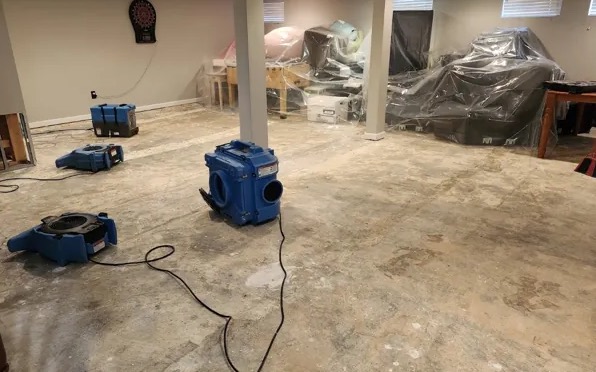
Expert Temperature-Controlled Drying Services in Sturbridge, Massachusetts
In Sturbridge, moisture left in a structure can cause odors and draw pests. The pros map the damage with infrared cameras and sensors before setting up drying.
In Sturbridge and nearby Charlton, Warren and Dudley, local pros take baseline moisture readings, then run air movers and dehumidifiers and log moisture levels as they drop.
Temperature-Controlled Drying Methods Available in Sturbridge
Water Damage Drying Logs
The experts create detailed, timestamped drying logs. These records track initial readings, daily progress, and final verification, providing proof that industry-standard drying was followed.
Drying Equipment Deployment
The experts in Sturbridge position equipment to create the controlled environment. They set correct settings and may build containment barriers, turning the drying plan into action.
Climate-Controlled Drying Systems
Advanced systems allow precise manipulation of the drying environment. By controlling the dew point, the experts can aggressively dry contents without risk.
Humidity Control for Restoration
The experts run dehumidifiers to pull water vapor out of the air, which draws more moisture out of wet surfaces and prevents secondary damage.
Moisture Mapping
Systematic testing identifies moisture content percentages in all building materials. The experts compare readings to known dry standards.
Symptoms Needing Temperature-Controlled Drying in Sturbridge
Moisture Meter Shows High Readings
A moisture meter reading high inside walls or floors means drying is not finished.
Visible Mold Growth in Corners
Black, green or white specks in damp corners or on baseboards are usually mold, which means moisture has been there a while.
Cold, Damp Feeling in a Room
A room feels noticeably colder and damper than the rest of the house. This sensation is often due to evaporative cooling from wet materials.
Equipment Running With No Result
Fans or dehumidifiers that run for days without drying the area mean the moisture is deeper than household equipment can reach.
How Temperature-Controlled Drying Works in Sturbridge
Step 1: Assessment and Moisture Detection
The pros perform a thorough assessment using thermal imaging and moisture meters. This identifies the full extent of damage, guiding the drying plan.
Step 2: Containment and Airflow Strategy
Plastic barriers close off the wet area so humidity can be controlled, and air movers are placed to move air across wet materials.
Step 3: Thermal Drying System Activation
Specialized thermal drying equipment is activated to gently raise the air temperature in the space.
Step 4: Verification and Structural Drying Completion
Readings are compared with dry areas of the building to confirm drying is complete.
What Leads to Needing Temperature-Controlled Drying in Sturbridge
Roof Leak During Heavy Rain
Wind-driven rain through a damaged roof or flashing can run down inside wall cavities, where it needs targeted drying.
Overflowing Sinks or Bathtubs
A simple blockage or forgetfulness leads to an overflow event. Water spreads quickly, soaking cabinetry and flooring, and requires thorough drying equipment deployment.
Inadequate Initial Water Extraction
Water left behind after a leak or flood moves into subfloors and walls, where it is harder to dry.
Foundation Cracks and Seepage
Hydrostatic pressure forces groundwater through cracks in the foundation wall. This seepage creates a constant dampness that challenges standard drying technology.
Temperature-Controlled Drying for Homes and Businesses in Sturbridge
Residential Temperature-Controlled Drying
Residential restoration focuses on saving personal items and preventing long-term odors in living areas and bedrooms. The specialists employ thermal drying for water damage to gently yet effectively dry contents and building materials.
Commercial Temperature-Controlled Drying
In commercial settings, uncontrolled humidity can damage sensitive electronics, documents, and finished goods. The pros implement humidity control for restoration to create optimal drying conditions for diverse materials.
Professional Temperature-Controlled Drying vs. Do-It-Yourself in Sturbridge
Ventilating the area by opening windows can help if outdoor humidity is lower than indoors, but this is rarely controlled or sufficient. You can create a list of damaged items for a potential insurance claim.
Understanding Temperature-Controlled Drying Cost in Sturbridge
In Sturbridge, the cost depends on how much drying equipment is used and how long it runs, plus the moisture readings taken along the way.
Documentation Requirements
Detailed drying logs and moisture reports for insurance take extra time to prepare.
Drying Time Required
Longer drying periods for climate-controlled systems mean more equipment runtime and monitoring, impacting the overall cost of the restoration project.
Moisture Mapping Complexity
Checking moisture in layered floors or hidden cavities takes more time and equipment.
Does Insurance Cover Temperature-Controlled Drying?
The experts in Sturbridge provide thorough documentation including moisture mapping data to support a homeowner's claim. Coverage decisions belong to the insurer, so property owners should confirm with their provider.
Advantages of Hiring Moisture Control Experts in Sturbridge for Temperature-Controlled Drying
IICRC-Standard Drying Methods
Drying follows industry guidelines and is checked with meters, which keeps framing and floors from staying wet.
Strategic Equipment Deployment
Air movers and dehumidifiers are placed according to a plan for even airflow and low humidity.
24/7 Emergency Response
Quick action is critical to limit secondary damage, and local pros are available around the clock to begin the drying process.
Emergency Moisture Control in Sturbridge
Wet walls and floors keep getting worse until they are dried. Call the pros at (508) 219-6294 to set up drying equipment.
Call Now (508) 219-6294Temperature-Controlled Drying Near Sturbridge: Communities Served
A detailed approach to moisture control, including humidity regulation and systematic drying equipment deployment, benefits homes throughout Sturbridge. The process also serves properties in the broader Charlton, Warren and Dudley region.
- Temperature-Controlled Drying in Charlton
- Temperature-Controlled Drying in Warren
- Temperature-Controlled Drying in Dudley
- Temperature-Controlled Drying in Spencer
- Temperature-Controlled Drying in Webster
- Temperature-Controlled Drying in Oxford
- Temperature-Controlled Drying in Leicester
- Temperature-Controlled Drying in Monson
- Emergency Damage Restoration in 01566
- Storm Damage Restoration in 01566
- Water Damage Restoration in 01566
- Water Extraction Service in 01566
- Water Leak Detection in 01566
- Water Removal Service in 01566
Temperature-Controlled Drying FAQs for Sturbridge Property Owners
How long does the temperature-controlled drying process take?
It depends on the damage, the materials and the conditions. Pros monitor readings and stop when moisture goals are met.
What should a property owner do while waiting for help with drying?
If safe, remove obvious standing water with a mop or towels, move dry contents away from the wet area, and avoid using household fans which can spread contaminants.
What does drying equipment deployment involve?
Pros assess the loss, calculate how much equipment is needed and place air movers, dehumidifiers and sometimes heaters.
What materials benefit most from controlled drying systems?
Porous structural materials like drywall, wood framing, and concrete, as well as contents like documents and furniture, benefit greatly from controlled, gradual drying to prevent ruin.
Can temperature-controlled drying prevent mold growth?
By rapidly removing moisture and controlling humidity, the process creates an environment where mold cannot thrive, significantly reducing the potential for mold.