Milford, MA · Worcester County
Temperature-Controlled Drying in Milford, MARapid Structural Drying Services & Thermal Drying For Water Damage
In Milford, Temperature-Controlled Drying from local temperature-controlled drying specialists covers climate-controlled drying systems, moisture mapping, and drying equipment deployment to dry a structure effectively.
Answered 24/7
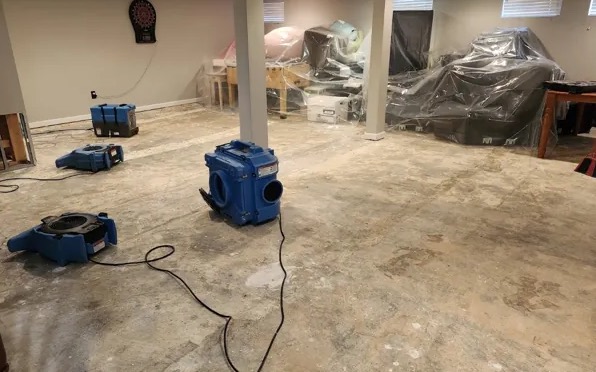
Targeted Temperature-Controlled Drying for Properties in Milford
In Milford, the air itself can slow drying. Local pros run industrial dehumidifiers to strip moisture from the air so wet materials dry faster.
In Milford and nearby Hopedale, Mendon and Bellingham, local pros map moisture in walls and subfloors, then fit thermal drying and humidity control to the materials in the building.
Temperature-Controlled Drying Services in Milford
Rapid Structural Drying Services
The specialists aim air movers at wet studs, joists and subfloors to dry the structure safely.
Thermal Drying for Water Damage
The specialists raise the room temperature in a controlled way to drive moisture out of dense materials like concrete slabs and beams, watching readings the whole time.
Climate-Controlled Drying Systems
Advanced systems allow precise manipulation of the drying environment. By controlling the dew point, the specialists can aggressively dry contents without risk.
Humidity Control for Restoration
Dehumidifiers lower the dew point in the affected area, so materials give up their moisture more easily.
Moisture Mapping
Systematic testing identifies moisture content percentages in all building materials. The experts compare readings to known dry standards.
Symptoms Needing Temperature-Controlled Drying in Milford
Equipment Running With No Result
Fans or dehumidifiers that run for days without drying the area mean the moisture is deeper than household equipment can reach.
Paint Peeling or Bubbling Up
Paint loses adhesion and forms bubbles or peels away from the wall. This failure is caused by moisture trapped beneath the paint film.
Cold, Damp Feeling in a Room
A room feels noticeably colder and damper than the rest of the house. This sensation is often due to evaporative cooling from wet materials.
Damp Odors Persisting After Water
A musty smell lingers even after visible water is gone, indicating hidden moisture. That odor often signals mold or trapped dampness.
How Temperature-Controlled Drying Works in Milford
Step 1: Initial Moisture Survey and Readings
Pros take baseline moisture readings across the property to plan the drying.
Step 2: Precision Air Mover Placement
Air movers are placed at set angles and distances to target specific wet materials.
Step 3: Deployment of Drying Systems
Dehumidifiers are sized to the moisture load and the size of the space.
Step 4: Ongoing Monitoring and Adjustment
Equipment is moved and adjusted as materials dry, so drying keeps moving.
Causes of Persistent Dampness Requiring Controlled Drying in Milford
Undetected Plumbing Leaks
A slow drip behind a wall or under a slab saturates materials over time.
Sprinkler System Activation
A fire sprinkler discharges, releasing a large volume of water quickly. This event saturates entire areas and requires precise air mover placement and strategy.
HVAC System Condensation Issues
A clogged condensate drain line causes an overflow inside the air handler. This water can soak insulation and ductwork, creating a hidden moisture issue.
Appliance Malfunction or Overflow
A failed washing machine hose, water heater or dishwasher can release many gallons onto the floor.
Residential & Commercial Temperature-Controlled Drying in Milford
Residential Temperature-Controlled Drying
Residential restoration focuses on saving personal items and preventing long-term odors in living areas and bedrooms. The specialists employ thermal drying for water damage to gently yet effectively dry contents and building materials.
Commercial Temperature-Controlled Drying
In commercial settings, uncontrolled humidity can damage sensitive electronics, documents, and finished goods. The pros implement humidity control for restoration to create optimal drying conditions for diverse materials.
Temperature-Controlled Drying vs. DIY Drying in Milford
Photograph all affected areas and items for insurance and move undamaged belongings to a dry room. Drying the structure takes industrial equipment that DIY gear cannot replace.
What Affects Temperature-Controlled Drying Cost in Milford
In Milford, cost depends on how complex the moisture mapping is and how much equipment the area needs.
Access and Logistics
Challenging site access in Milford can complicate equipment deployment and placement, potentially increasing setup time and labor requirements.
Structural Material Types
Porous materials like concrete or dense wood require more aggressive drying strategies and extended monitoring, influencing the project timeline and cost.
Documentation Requirements
Detailed drying logs and moisture reports for insurance take extra time to prepare.
Does Insurance Cover Temperature-Controlled Drying?
The specialists in Milford provide thorough documentation including moisture mapping data to support a homeowner's claim. Coverage decisions belong to the insurer, so property owners should confirm with their provider.
Benefits of Local Specialists for Temperature-Controlled Drying in Milford
Structural Drying
The focus is on quickly extracting moisture from structural components to minimize warping, swelling, or the potential for mold growth.
Ongoing Moisture Monitoring
Regular checks with moisture meters verify that drying goals are met, helping ensure no residual dampness remains within walls or floors.
Targeted Thermal Drying
Applying directed heat energy safely accelerates the drying of dense materials, reducing the overall timeline for the restoration project.
Emergency Moisture Control in Milford
Stop water damage from getting worse while materials sit wet. Call (508) 219-6294 24/7 for drying help from the pros in Milford.
Call Now (508) 219-6294Local Temperature-Controlled Drying Coverage for Milford, Hopedale, Mendon and Bellingham
A detailed approach to moisture control, including humidity regulation and systematic drying equipment deployment, benefits homes throughout Milford. The process also serves properties in the broader Hopedale, Mendon and Bellingham region.
- Temperature-Controlled Drying in Hopedale
- Temperature-Controlled Drying in Mendon
- Temperature-Controlled Drying in Bellingham
- Temperature-Controlled Drying in Upton
- Temperature-Controlled Drying in Medway
- Temperature-Controlled Drying in Northbridge
- Temperature-Controlled Drying in Franklin
- Temperature-Controlled Drying in Uxbridge
- Emergency Damage Restoration in 01757
- Storm Damage Restoration in 01757
- Water Damage Restoration in 01757
- Water Extraction Service in 01757
- Water Leak Detection in 01757
- Water Removal Service in 01757
Your Temperature-Controlled Drying Questions Addressed
What is the difference between air movers and dehumidifiers?
Air movers evaporate moisture from surfaces into the air, and dehumidifiers pull it back out of the air.
Is temperature-controlled drying safe for electronics or artwork?
Yes, when the pros use low heat and careful humidity control, it can be safe for drying sensitive materials and belongings.
What is temperature-controlled drying?
It is a drying method that controls heat and humidity together to remove moisture from building materials and contents safely and quickly.
Can rapid drying technology dry a property too quickly?
Yes, excessive heat or airflow can cause surface crusting, cracking, or other material stress, which is why professional drying balances speed with material-specific safety limits.
What materials benefit most from controlled drying systems?
Porous structural materials like drywall, wood framing, and concrete, as well as contents like documents and furniture, benefit greatly from controlled, gradual drying to prevent ruin.