Weymouth, MA · Norfolk County
Roof Leak Water Removal in Weymouth, MAStructural Drying Services & Attic Water Extraction
Roof Leak Water Removal in Weymouth covers emergency roof tarping, attic water extraction, ceiling water damage cleanup and wet insulation removal.
Answered 24/7
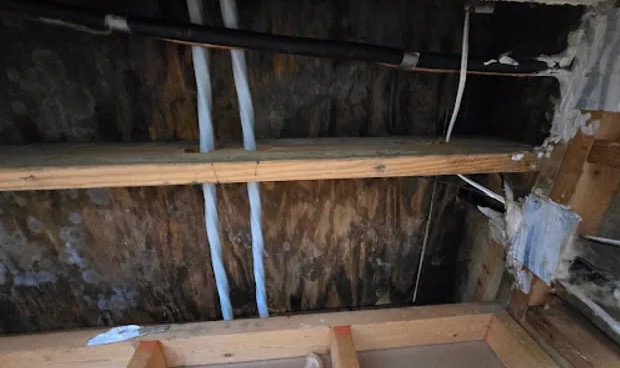
Help With Roof Leak Water Damage in Weymouth
When a storm pushes water through the roof of a Weymouth home, the attic is the first place it collects and the hardest place to dry.
Roof leak water removal is available in Weymouth and nearby Brockton, Stoughton and Canton. The pros tarp the opening if needed, extract the water and dry the attic framing and ceiling drywall.
Roof Leak Water Removal Services in Weymouth
Structural Drying Services
Air movers and dehumidifiers are set up in the attic and the rooms below. Rafters, decking and joists are metered daily until they reach normal readings.
Attic Water Extraction
Water that pools on attic floors, vapor barriers or ceiling drywall is pulled out with wet vacuums and portable extractors before it soaks through to the room below.
Wet Insulation Removal
Soaked batts and blown insulation hold water against the ceiling and framing for weeks. The pros bag and remove it so the attic can dry.
Ceiling Water Damage Cleanup
Stained or sagging drywall is checked with a moisture meter. Sections that are soft or bowed are cut out so the cavity above can dry and the ceiling can be patched.
Wet Contents Protection
Furniture, rugs and boxes under the leak are moved, blocked up or covered. Wet items are listed and photographed before they are dried or set aside.
Signs of a Roof Leak in Your Weymouth Home
Dripping From a Light Fixture
Water dripping from a light or ceiling fan means it has pooled above the ceiling. Turn off that circuit and keep people clear.
Peeling Paint on Upper Walls
Bubbling or peeling paint near the ceiling line on exterior walls points to water running down inside the wall.
Musty Smell After Rain
A damp, musty smell that gets stronger after storms often means insulation in the attic is staying wet.
Damp Baseboards on Exterior Walls
Wet or swelling baseboards under a ceiling stain mean water has traveled down the wall cavity from the attic.
How Roof Leak Water Removal Works in Weymouth
Step 1: Safety Check
Power to wet ceiling fixtures is shut off and sagging areas are marked so no one walks under them during the work.
Step 2: Roof Tarp and Extraction
The roof is tarped if rain is still possible, then water is removed from the attic, ceiling cavities and floors.
Step 3: Drying Setup
Dehumidifiers and air movers are placed in the attic and the rooms below so both levels dry at the same time.
Step 4: Final Readings
When the wood and drywall read dry, equipment is removed and the roofer and drywall repairs can be scheduled.
Where Roof Leaks Start in Weymouth
Cracked Vent Boots
The rubber collars around plumbing vents dry out and split with age, letting rain drip down the pipe into the attic.
Storm Debris and Hail
Falling branches and hail can crack shingles or puncture the deck, opening a direct path for rain into the attic.
Worn Flashing
Flashing around chimneys, skylights and wall joints can crack, rust or pull loose, and water runs in along the gap.
Skylight Seals
Skylight gaskets and curb flashing wear out, and water runs into the shaft and down the drywall around the opening.
Roof Leak Water Removal for Homes and Businesses in Weymouth
Residential Roof Leak Water Removal
Persistent roof leaks can rot rafters and roof decking. The pros dry the framing and point out any wood that looks soft so the roofer can replace it.
Commercial Roof Leak Water Removal
In multi-tenant buildings, water from one roof leak can reach several floors. The pros trace it down through each level and dry every space it reached.
DIY Steps and Their Limits After a Roof Leak in Weymouth
Fans and a household dehumidifier help a damp room, but they rarely dry an attic or a soaked ceiling. Wet insulation needs to come out first.
Pricing Roof Leak Water Removal in Weymouth
In Weymouth, the biggest cost drivers after a roof leak are wet insulation, wet ceiling drywall and how hard the attic is to work in.
Ceiling Drywall
Ceilings that can be dried in place cost less than ones that sag or crumble and have to be cut out and replaced.
How Long It Leaked
A leak caught during the first storm usually means less wet material than one that has been dripping into the attic for weeks.
Size of the Wet Area
The square footage of wet attic, ceiling and wall sets how much equipment is needed and how long it runs.
Does Insurance Cover Roof Leak Water Removal?
Many homeowner policies cover sudden roof leaks caused by a storm or falling tree, but not leaks from wear and age. Your insurer decides what is covered.
What Local Pros Bring to a Roof Leak in Weymouth
Drying to Measured Targets
Drying stops only when meters show the wood and drywall are dry, not when the surface looks dry.
Safe Attic Work
The pros know how to move through an attic on the framing and handle wet ceilings without bringing them down.
One Job, Start to Finish
Tarping, extraction, insulation removal and drying happen in order, so each step is not left waiting on another company.
Roof Leaking Right Now in Weymouth?
For an active roof leak in Weymouth, call (508) 219-6294. Local roof leak water removal pros handle the tarp, the water in the attic and the drying of the rooms below.
Call Now (508) 219-6294Roof Leak Water Removal Service Area Around Weymouth
Help with roof leak water removal is available in Weymouth and nearby Brockton, Stoughton and Canton, with tarping, wet insulation removal and attic drying 24/7.
- Roof Leak Water Removal in Brockton
- Roof Leak Water Removal in Stoughton
- Roof Leak Water Removal in Canton
- Roof Leak Water Removal in Brookline
- Roof Leak Water Removal in Dedham
- Roof Leak Water Removal in Norwood
- Roof Leak Water Removal in Westwood
- Roof Leak Water Removal in Sharon
- Emergency Damage Restoration in 02188
- Storm Damage Restoration in 02188
- Water Damage Restoration in 02188
- Water Extraction Service in 02188
- Water Leak Detection in 02188
- Water Removal Service in 02188
- Emergency Damage Restoration in 02189
- Storm Damage Restoration in 02189
Roof Leak Water Removal FAQs
What is roof leak water removal?
It is the work of getting rainwater out of the attic, ceiling, walls and floors after a roof leak and drying the structure. The roof repair itself is done by a roofer.
How is water removed from an attic?
Standing water is pulled out with wet vacuums and extractors, then soaked insulation is removed so the ceiling and framing can be dried.
Are old ceiling stains a sign of an active leak?
Not always. A dry stain may be from a past leak. A stain that is damp, growing or bulging means water is still getting in.
How do the pros find where a roof is leaking?
They trace the water from the stain up into the attic, follow it along the rafters and decking, and use moisture meters to find the entry point.
Why does wet insulation have to come out?
Wet insulation stays damp for a long time, holds water against the ceiling and framing, and stops insulating. Removing it lets the attic dry.