Westborough, MA · Worcester County
Rapid Structural Drying in Westborough, MAFlood Drying Services & Wall Cavity Drying
Rapid Structural Drying in Westborough includes emergency structural drying, moisture mapping services, and flood drying services.
Answered 24/7
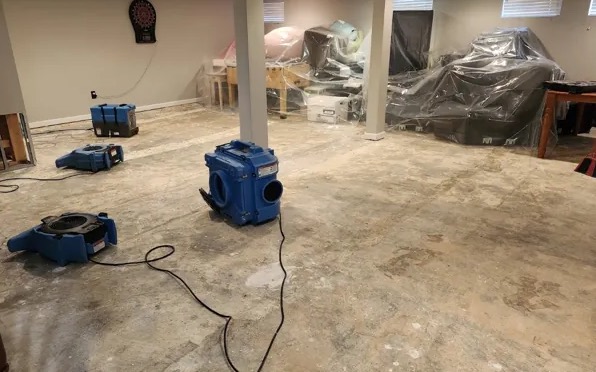
Expert Rapid Structural Drying for Westborough Properties
Structural drying must address both visible water and hidden moisture within walls and floors. Slow evaporation allows mold colonies to establish and wood to swell.
For commercial structural drying in Westborough, businesses benefit from rapid intervention to limit downtime and damage. Assistance is available throughout the region, such as in Northborough, Southborough and Shrewsbury, with 24/7 availability.
Advanced Rapid Structural Drying Processes
Flood Drying Services
Major flooding requires comprehensive drying strategies. The process scales up extraction and drying equipment to manage the volume of water involved, focusing on structural integrity first.
Wall Cavity Drying
Addressing moisture within walls involves specific drying methods for studs and insulation. Moisture meters track progress, verifying that wall cavities are dry before any restoration work in Westborough.
Emergency Structural Drying
Drying starts with a quick assessment and equipment placement, so moisture is pulled from walls, floors and framing before the damage spreads.
Moisture Mapping Services
Hidden water damage can undermine drying efforts. Moisture mapping services employ thermal imaging cameras and sophisticated meters to detect anomalies behind surfaces.
Crawl Space Drying
Drying removes pooled water and addresses residual moisture in soil and joists with a system tailored to the space's size and conditions.
When Rapid Structural Drying Is Needed
Visible Water Stains on Walls
Yellow or brown stains on drywall or ceilings mean water got into the material and may still be inside.
Soggy or Spongy Drywall
Drywall that feels soft to the touch has absorbed a lot of water and needs drying right away.
Musty Odors in Your Home
A musty smell that will not go away usually means moisture is trapped inside walls or under floors.
Squeaking or Soft Floor Areas
Unusual noises or soft spots when walking indicate compromised subflooring from water damage that needs assessment.
How Rapid Structural Drying Works in Westborough
Step 1: Site Evaluation for Hidden Moisture
The service starts with a thorough evaluation using probes and sensors to locate all hidden moisture within wall cavities, subfloors, and concrete slabs.
Step 2: Deployment of Industrial Drying Systems
Commercial dehumidifiers and air movers are set up to pull water out of dense materials like hardwood and framing.
Step 3: Active Wall and Subfloor Drying Cycle
An active drying cycle begins, with equipment running continuously to evaporate and extract moisture, focusing on wall cavity and subfloor drying.
Step 4: Assurance of Complete Moisture Removal
Before concluding, pros verify complete moisture removal with final checks, ensuring the structure is protected from future mold or rot issues.
Common Causes of Water Damage Requiring Rapid Structural Drying in Westborough
Poor Ventilation in Enclosed Spaces
Inadequate airflow in crawl spaces or wall cavities traps moisture, promoting rot and mold that experts must address.
Burst Pipes or Plumbing Failures
A burst pipe can release hundreds of gallons, soaking drywall, subfloors and framing well beyond the room where it broke.
Roof Leaks From Storm Damage
Wind-driven rain or damaged shingles allow water to infiltrate attics and wall cavities, leading to widespread structural moisture.
Landscaping or Grading Problems
Improper yard slope can direct water toward a foundation, leading to persistent dampness in slabs and crawl spaces.
Residential and Commercial Rapid Structural Drying in Westborough
Residential Rapid Structural Drying
Crawl space drying is critical in homes to stop wood rot and pest infestation. Local restoration pros run drying ducts and desiccant dehumidifiers under the house until it reads dry.
Commercial Rapid Structural Drying
Offices get drying plans that run in phases, floor by floor, so wall cavities and ceiling plenums are dried with the least disruption.
When DIY Methods Are Not Enough for Rapid Structural Drying
If safe, you can turn off the water source at the main valve to stop the flow. Move furniture and belongings away from the wet area onto dry surfaces.
Pricing Considerations for Rapid Structural Drying in Westborough
Several factors determine rapid structural drying cost for a home in Westborough. The primary considerations are the square footage affected and the complexity of accessing wet structural components like crawl spaces or concrete slabs.
Secondary Damage Prevention
Efforts to prevent mold growth during the drying process, such as applying antimicrobials, can be a factor in the service cost.
Moisture Mapping Scope
Detailed moisture mapping services to track drying progress across a structure require additional time and diagnostic tools from the pros.
Access and Complexity
Difficult-to-reach areas like tight crawl spaces or behind finished walls add labor time to the emergency structural drying process.
Does Insurance Cover Rapid Structural Drying?
Insurance may cover fast structural drying if the water damage is from a sudden, accidental event like a burst pipe. The water damage pros will create a thorough record of moisture levels and affected areas for your insurer.
Why Choose Local Pros for Rapid Structural Drying in Westborough
Detailed Documentation for Claims
Comprehensive logs of moisture readings and photos are taken to document the damage for insurance purposes.
Advanced Moisture Detection
Tools like thermal imagers and moisture meters are used for accurate moisture mapping to find hidden water.
Thorough Process Verification
Drying is monitored until moisture levels in materials meet standard dry criteria before equipment is removed.
24/7 Emergency Rapid Structural Drying in Westborough
Water in a business can close rooms or whole floors. Call (508) 219-6294 24/7 to start moisture mapping and drying in Westborough.
Call Now (508) 219-6294Local Rapid Structural Drying Coverage Area
The pros dry homes and businesses in Westborough after water damage, and also serve nearby locations including Northborough, Southborough and Shrewsbury.
- Rapid Structural Drying in Northborough
- Rapid Structural Drying in Southborough
- Rapid Structural Drying in Shrewsbury
- Rapid Structural Drying in Grafton
- Rapid Structural Drying in Marlborough
- Rapid Structural Drying in Upton
- Rapid Structural Drying in Boylston
- Rapid Structural Drying in Northbridge
- Emergency Damage Restoration in 01580
- Storm Damage Restoration in 01580
- Water Damage Restoration in 01580
- Water Extraction Service in 01580
- Water Leak Detection in 01580
- Water Removal Service in 01580
- Emergency Damage Restoration in 01581
- Storm Damage Restoration in 01581
Rapid Structural Drying Information and Answers
How long does concrete slab drying typically take?
Concrete slab drying time varies with thickness and saturation but often takes several days, as dense concrete releases moisture slowly, requiring sustained use of industrial dehumidifiers and air circulation.
How does drying differ for residential structural drying?
Residential structural drying often involves navigating living spaces, personal belongings, and varied construction materials, with a focus on restoring habitability and protecting the home's value.
What is structural dehumidification?
Structural dehumidification uses large-capacity dehumidifiers to lower the overall humidity within a building's structure, aiding the drying of materials and helping to prevent secondary water damage like mold.
What areas of a home need structural moisture removal?
Structural moisture removal often targets concealed areas like behind walls, under floors, within ceiling cavities, and in support beams where water can linger and cause hidden damage.
Can flood drying services prevent mold?
Prompt flood drying services that quickly remove water and lower humidity can significantly reduce the risk of mold growth, which often begins within 24-48 hours in damp conditions.