Monson, MA · Hampden County
Rapid Structural Drying in Monson, MAFlood Drying Services & Crawl Space Drying
Rapid Structural Drying in Monson includes emergency structural drying, moisture mapping services, and flood drying services.
Answered 24/7
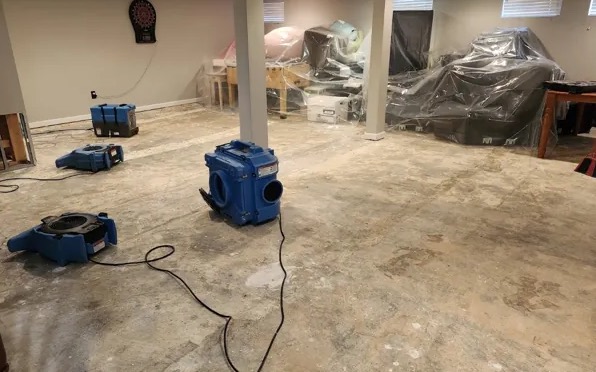
Expert Rapid Structural Drying for Monson Properties
Structural drying must address both visible water and hidden moisture within walls and floors. Slow evaporation allows mold colonies to establish and wood to swell.
Residential structural drying in Monson focuses on protecting family homes from water-related deterioration. Local moisture removal experts perform flood drying services and moisture mapping services as part of a full response. Coverage includes areas around Palmer, Wilbraham and Ludlow for convenient access.
Comprehensive Rapid Structural Drying Solutions
Flood Drying Services
Floodwaters affect every porous material they touch. The operation runs 24/7 until the environment is controlled.
Crawl Space Drying
Properties in Monson may have crawl spaces affected by seasonal moisture. Water damage pros seal vapor barriers and run drying equipment until wood moisture content returns to safe levels.
Concrete Slab Drying
Water under or within a concrete slab can wick upward for weeks. Moisture meters track the slab's drying progress daily.
Subfloor Drying
Water seeping under flooring requires immediate attention. High-capacity dehumidifiers then capture the water vapor to protect the subfloor's strength.
Structural Dehumidification
After water extraction, dehumidification tackles the remaining vapor. Structural dehumidification creates a drying gradient, pulling moisture from wet materials into the drier air.
Indications for Rapid Structural Drying
Soggy or Spongy Drywall
Drywall that feels soft to the touch has absorbed a lot of water and needs drying right away.
High Indoor Humidity Levels
A clammy feeling in the air suggests elevated moisture that structural dehumidification equipment is designed to correct.
Mold Growth on Baseboards
Mold appearing along floor edges often points to hidden moisture in wall cavities or subfloors needing extraction.
Damp Spots on Concrete Floors
Persistent dampness on a concrete slab can leave white mineral deposits and loosen flooring adhesive.
How Rapid Structural Drying Works in Monson
Step 1: Site Evaluation for Hidden Moisture
The service starts with a thorough evaluation using probes and sensors to locate all hidden moisture within wall cavities, subfloors, and concrete slabs.
Step 2: Deployment of Industrial Drying Systems
Commercial dehumidifiers and air movers are set up to pull water out of dense materials like hardwood and framing.
Step 3: Active Wall and Subfloor Drying Cycle
An active drying cycle begins, with equipment running continuously to evaporate and extract moisture, focusing on wall cavity and subfloor drying.
Step 4: Assurance of Complete Moisture Removal
Before concluding, pros verify complete moisture removal with final checks, ensuring the structure is protected from future mold or rot issues.
What Leads to Needing Rapid Structural Drying
Appliance Malfunctions and Leaks
Faulty water heaters, washing machines, or dishwashers can leak slowly, causing hidden damage in walls and floors over time.
Severe Weather and Flooding
Heavy rainfall or localized flooding can overwhelm drainage, leading to water intrusion.
HVAC System Condensation Issues
Clogged drain lines or faulty condensate pumps from air handlers can cause significant water damage inside walls and ceilings.
Burst Pipes or Plumbing Failures
A burst pipe can release hundreds of gallons, soaking drywall, subfloors and framing well beyond the room where it broke.
Rapid Structural Drying for Homes and Businesses
Residential Rapid Structural Drying
Crawl space drying is critical in homes to stop wood rot and pest infestation. The pros run drying ducts and desiccant dehumidifiers under the house until it reads dry.
Commercial Rapid Structural Drying
Offices get drying plans that run in phases, floor by floor, so wall cavities and ceiling plenums are dried with the least disruption.
When DIY Methods Are Not Enough for Rapid Structural Drying
You can use a wet-dry vacuum to remove standing water from hard surface floors. Be sure to document the damage with photos for your insurance claim.
Pricing Considerations for Rapid Structural Drying in Monson
Several factors determine rapid structural drying cost for a home in Monson. The primary considerations are the square footage affected and the complexity of accessing wet structural components like crawl spaces or concrete slabs.
Project Duration
The total time needed for complete structural dehumidification and achieving dry standards affects the overall labor and equipment rental period.
Access and Complexity
Difficult-to-reach areas like tight crawl spaces or behind finished walls add labor time to the emergency structural drying process.
Water Contamination Category
Clean water from a broken pipe is simpler to address than contaminated flood water, which requires more extensive safety and drying protocols.
Does Insurance Cover Rapid Structural Drying?
For flood drying services, coverage often requires a separate flood insurance policy. You need to provide this report to your insurance company and follow their specific claims process for water damage.
Why Choose Local Pros for Rapid Structural Drying in Monson
IICRC-Standard Drying Methods
Drying follows set targets checked with meters, which prevents damage from moisture left behind.
Industrial-Grade Drying Equipment
High-capacity air movers and dehumidifiers dry crawl spaces and concrete slabs, which hold water longest.
Prevention of Mold Growth
Rapid drying helps control humidity levels, creating an environment less conducive to mold development after water intrusion.
24/7 Emergency Rapid Structural Drying in Monson
The first 24 to 48 hours after a leak matter most for drying. If you have standing water or soaked walls, call (508) 219-6294 to start drying.
Call Now (508) 219-6294Rapid Structural Drying for Monson, Palmer, Wilbraham and Ludlow
Rapid structural drying is available for homes and businesses in Monson. The pros also serve nearby places like Palmer, Wilbraham and Ludlow.
- Rapid Structural Drying in Palmer
- Rapid Structural Drying in Wilbraham
- Rapid Structural Drying in Ludlow
- Rapid Structural Drying in Warren
- Rapid Structural Drying in East Longmeadow
- Rapid Structural Drying in Ware
- Rapid Structural Drying in Sturbridge
- Rapid Structural Drying in Belchertown
- Emergency Damage Restoration in 01057
- Storm Damage Restoration in 01057
- Water Damage Restoration in 01057
- Water Extraction Service in 01057
- Water Leak Detection in 01057
- Water Removal Service in 01057
Rapid Structural Drying FAQs
How long does concrete slab drying typically take?
Concrete slab drying time varies with thickness and saturation but often takes several days, as dense concrete releases moisture slowly, requiring sustained use of industrial dehumidifiers and air circulation.
What is involved in subfloor drying?
Subfloor drying involves using specialized air movers and dehumidifiers to draw moisture out of the wooden or concrete layer beneath flooring, often requiring access panels or strategic placement of equipment.
What are moisture mapping services?
Moisture mapping services involve using meters and sensors to create a visual record of moisture levels throughout a structure, guiding the drying process and verifying when materials are dry.
When is crawl space drying necessary?
Crawl space drying is necessary when flooding or high humidity saturates this enclosed area, as trapped moisture can damage foundation piers, joists, and lead to mold growth throughout the home.
Why is quick action critical for structural drying?
Quick action limits the extent of water absorption into materials, reduces the drying time required, and helps minimize the potential for costly repairs related to structural decay or mold.