Barre, MA · Worcester County
Rapid Structural Drying in Barre, MAStructural Dehumidification & Concrete Slab Drying
Rapid Structural Drying in Barre includes emergency structural drying, moisture mapping services, and flood drying services.
Answered 24/7
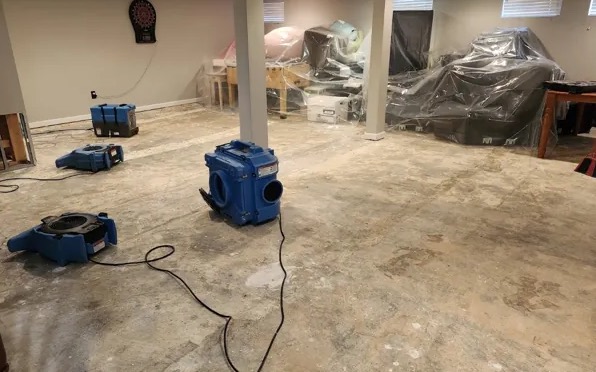
Expert Rapid Structural Drying for Barre Properties
Flooding events introduce large volumes of water that soak deep into structural components. Residential structural drying after a flood requires powerful equipment to dry materials from the inside out.
Residential structural drying in Barre focuses on protecting family homes from water-related deterioration. Local moisture removal experts perform flood drying services and moisture mapping services as part of a full response. Coverage includes areas around Rutland, Templeton and Paxton for convenient access.
Tailored Rapid Structural Drying for Barre
Structural Dehumidification
After water extraction, dehumidification tackles the remaining vapor. Structural dehumidification creates a drying gradient, pulling moisture from wet materials into the drier air.
Concrete Slab Drying
Water under or within a concrete slab can wick upward for weeks. Moisture meters track the slab's drying progress daily.
Emergency Structural Drying
A sudden water event requires a drying protocol. High-capacity dehumidifiers then work to pull moisture from the air and structural components, starting the recovery process.
Flood Drying Services
Widespread flooding presents a unique drying challenge. Services for this scenario involve creating drying chambers and managing airflows across large spaces.
Subfloor Drying
Wet subfloors can warp, swell, and compromise the floor system. Drying removes moisture from plywood or OSB, often requiring lifted flooring sections to allow direct airflow from above and below.
Indications for Rapid Structural Drying
Mold Growth on Baseboards
Mold appearing along floor edges often points to hidden moisture in wall cavities or subfloors needing extraction.
Warped or Bubbling Floorboards
Hardwood floors that buckle or cup have taken on moisture from below, usually from a wet subfloor.
Squeaking or Soft Floor Areas
Unusual noises or soft spots when walking indicate compromised subflooring from water damage that needs assessment.
Musty Odors in Your Home
A musty smell that will not go away usually means moisture is trapped inside walls or under floors.
How Rapid Structural Drying Works in Barre
Step 1: Site Evaluation for Hidden Moisture
The service starts with a thorough evaluation using probes and sensors to locate all hidden moisture within wall cavities, subfloors, and concrete slabs.
Step 2: Deployment of Industrial Drying Systems
Commercial dehumidifiers and air movers are set up to pull water out of dense materials like hardwood and framing.
Step 3: Active Wall and Subfloor Drying Cycle
An active drying cycle begins, with equipment running continuously to evaporate and extract moisture, focusing on wall cavity and subfloor drying.
Step 4: Assurance of Complete Moisture Removal
Before concluding, pros verify complete moisture removal with final checks, ensuring the structure is protected from future mold or rot issues.
Events That Lead to Rapid Structural Drying
Severe Weather and Flooding
Heavy rainfall or localized flooding can overwhelm drainage, leading to water intrusion.
Poor Ventilation in Enclosed Spaces
Inadequate airflow in crawl spaces or wall cavities traps moisture, promoting rot and mold that experts must address.
Foundation Cracks and Water Seepage
Cracks in a foundation or basement wall permit groundwater intrusion, which can saturate concrete slabs and framing.
HVAC System Condensation Issues
Clogged drain lines or faulty condensate pumps from air handlers can cause significant water damage inside walls and ceilings.
Rapid Structural Drying for Homes and Businesses
Residential Rapid Structural Drying
Crawl space drying is critical in homes to stop wood rot and pest infestation. Local restoration pros run drying ducts and desiccant dehumidifiers under the house until it reads dry.
Commercial Rapid Structural Drying
Offices get drying plans that run in phases, floor by floor, so wall cavities and ceiling plenums are dried with the least disruption.
Professional Rapid Structural Drying vs. DIY Methods
Pull back baseboards carefully to inspect for hidden water in wall cavities, but do not puncture drywall. This visual check can help assess the extent.
Factors Influencing Rapid Structural Drying Costs
In Barre, the cost of professional structural drying is influenced by the number of rooms affected and the type of materials involved. Drying thick concrete slabs or enclosed wall cavities typically requires more resources.
Moisture Mapping Scope
Detailed moisture mapping services to track drying progress across a structure require additional time and diagnostic tools from the pros.
Affected Structural Materials
Drying dense materials like concrete slabs or enclosed wall cavities demands specialized techniques and longer durations than drying open areas.
Access and Complexity
Difficult-to-reach areas like tight crawl spaces or behind finished walls add labor time to the emergency structural drying process.
Does Insurance Cover Rapid Structural Drying?
For flood drying services, coverage often requires a separate flood insurance policy. You need to provide this report to your insurance company and follow their specific claims process for water damage.
Benefits of Professional Rapid Structural Drying
Prevention of Mold Growth
Rapid drying helps control humidity levels, creating an environment less conducive to mold development after water intrusion.
Advanced Moisture Detection
Tools like thermal imagers and moisture meters are used for accurate moisture mapping to find hidden water.
24/7 Emergency Response
Help is available day or night to begin the rapid structural drying process and limit further damage.
Round-the-Clock Rapid Structural Drying Availability
The first 24 to 48 hours after a leak matter most for drying. If you have standing water or soaked walls, call (508) 219-6294 to start drying.
Call Now (508) 219-6294Rapid Structural Drying Near Barre: Areas Served
Across Barre and nearby communities, the pros map moisture and dry structures for homes and businesses in Barre, Rutland, Templeton and Paxton.
- Rapid Structural Drying in Rutland
- Rapid Structural Drying in Templeton
- Rapid Structural Drying in Paxton
- Rapid Structural Drying in Gardner
- Rapid Structural Drying in Westminster
- Rapid Structural Drying in Ware
- Rapid Structural Drying in Spencer
- Rapid Structural Drying in Athol
- Emergency Damage Restoration in 01005
- Storm Damage Restoration in 01005
- Water Damage Restoration in 01005
- Water Extraction Service in 01005
- Water Leak Detection in 01005
- Water Removal Service in 01005
Rapid Structural Drying FAQs
Can flood drying services prevent mold?
Prompt flood drying services that quickly remove water and lower humidity can significantly reduce the risk of mold growth, which often begins within 24-48 hours in damp conditions.
What is involved in subfloor drying?
Subfloor drying involves using specialized air movers and dehumidifiers to draw moisture out of the wooden or concrete layer beneath flooring, often requiring access panels or strategic placement of equipment.
How long does concrete slab drying typically take?
Concrete slab drying time varies with thickness and saturation but often takes several days, as dense concrete releases moisture slowly, requiring sustained use of industrial dehumidifiers and air circulation.
When is crawl space drying necessary?
Crawl space drying is necessary when flooding or high humidity saturates this enclosed area, as trapped moisture can damage foundation piers, joists, and lead to mold growth throughout the home.
What areas of a home need structural moisture removal?
Structural moisture removal often targets concealed areas like behind walls, under floors, within ceiling cavities, and in support beams where water can linger and cause hidden damage.