Milford, MA · Worcester County
HVAC Leak Water Removal in Milford, MAHVAC Drain Line Flood Cleanup & Ductwork Condensation Water Removal
HVAC Leak Water Removal in Milford includes HVAC drain line flood cleanup, moisture remediation for HVAC systems and wet insulation removal near HVAC.
Answered 24/7
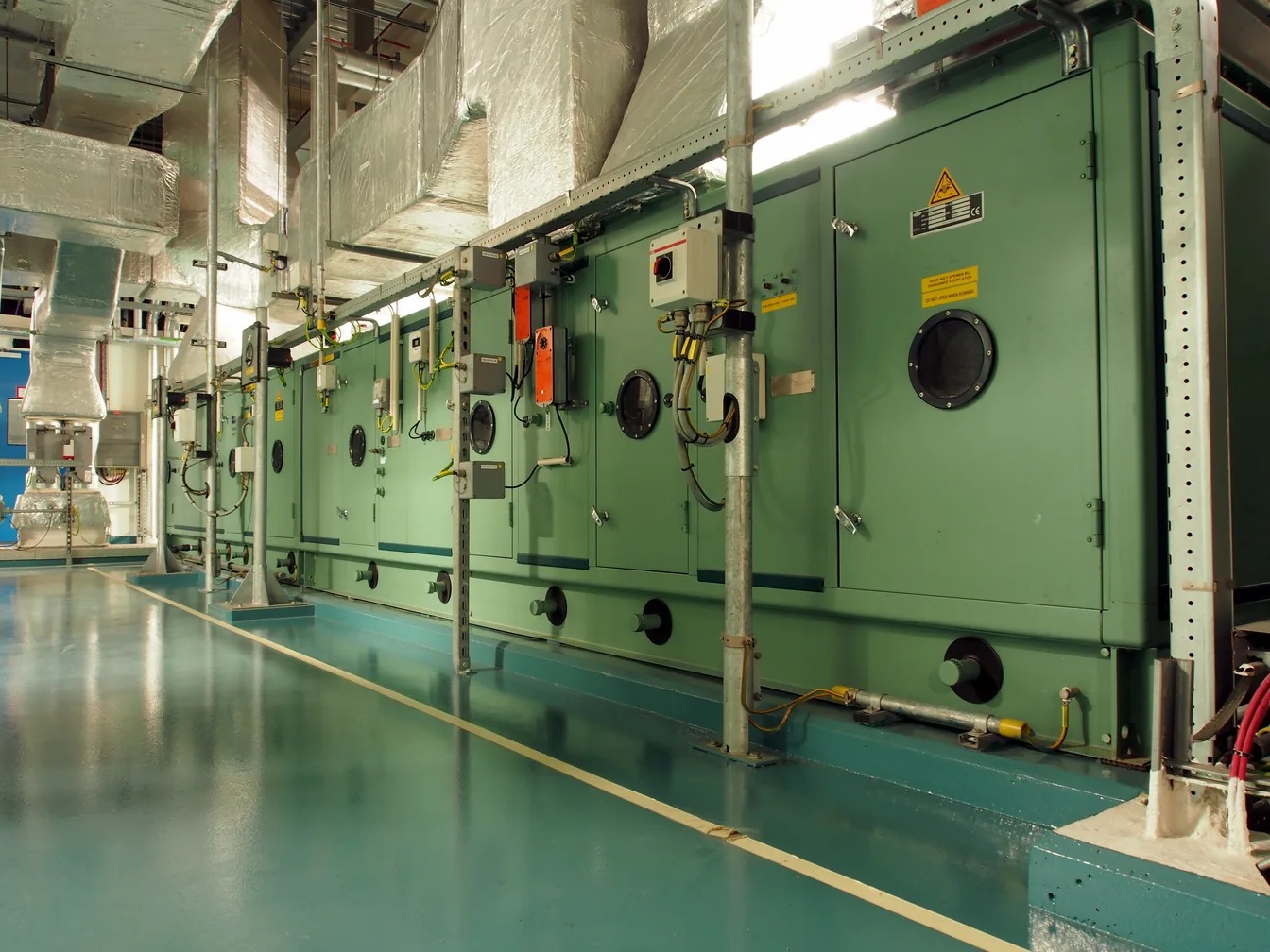
HVAC Leak Water Removal Solutions in Milford
A leaking AC unit in Milford can fill the air handler cabinet and spill onto the floor around it. Water near wiring is a shock risk, so the power should be off before anyone works there.
When an HVAC leak occurs in Milford, water needs to come out quickly to protect interior finishes and electrical systems. Local water removal pros serve this community and nearby areas like Hopedale, Mendon and Bellingham, extracting water around the unit and drying wet ductwork before damage spreads.
HVAC Leak Water Removal Services in Milford
HVAC Drain Line Flood Cleanup
A broken drain line can flood a mechanical room or closet. The water is contained and extracted before it reaches flooring and equipment nearby.
Ductwork Condensation Water Removal
Humid air hitting cold metal ductwork makes it sweat and drip. Cleanup means drying the ducts and the drywall, insulation and flooring under them.
Moisture Remediation for HVAC Systems
Once the leak stops, dehumidifiers and air movers are placed to dry the air handler closet, nearby ducts and the room, following industry drying standards.
Wet Insulation Removal Near HVAC
Saturated insulation near the HVAC unit loses R-value and can foster mold. Removal is often necessary for a proper dry-out.
Emergency HVAC Leak Cleanup
An AC leak soaking drywall or flooring triggers emergency cleanup protocols. Restoration pros extract water and begin structural drying.
Warning Signs You Need HVAC Leak Water Removal
Mold on Air Handler
Visible mold on the unit, the ducts or nearby drywall usually means water has been there for a while.
Condensation Dripping From Ducts
Water droplets or streaks on metal ductwork mean the ducts are sweating, and the water is landing somewhere below.
Visible Rust on Metal Components
Rust forming on the evaporator coil cabinet, drain pan, or supports indicates prolonged moisture exposure.
Reduced Cooling or System Shutdown
An AC that shuts itself off may have a float switch that tripped because the drain pan is full of water.
How HVAC Leak Water Removal Works in Milford
Step 1: Water Removal Initiation
The pros use pumps and wet vacuums to remove the bulk water from a flooded drain line area.
Step 2: Detailed Moisture Detection
Meters and thermal cameras check concealed spaces so no wet spot behind a wall or above a ceiling is missed.
Step 3: Controlled Drying Environment
Professionals create a controlled environment with dehumidifiers and air movers to dry wet ductwork, insulation and building materials.
Step 4: Final Clearance and Prevention Advice
A final check confirms everything is dry, and you get tips on keeping the condensate drain clear.
Typical Reasons for HVAC Leak Water Removal in Milford
Failed Condensate Pump
A condensate pump that fails in an attic or utility room cannot move water to the drain, so the reservoir overflows.
Refrigerant Leak at the Coil
A pinhole leak in the evaporator coil itself can allow refrigerant and moisture to escape simultaneously.
Excessive Ductwork Condensation
Poorly insulated ducts in humid spaces sweat and drip water into walls, ceilings and insulation.
Frozen Evaporator Coil Thawing
A coil freezing due to low refrigerant or airflow can release large volumes of water upon thawing.
Residential and Commercial HVAC Leak Water Removal in Milford
Residential HVAC Leak Water Removal
In homes, an AC condensate leak can rot subfloor and baseboards if it is left. The pros dry the tight spaces around the unit and record the damage for insurance.
Commercial HVAC Leak Water Removal
A flooded HVAC unit in a commercial building needs a coordinated response. The pros manage large-volume extraction, coordinate with facility managers, and implement drying protocols.
HVAC Leak Water Removal vs. DIY: When to Call Local Pros
A hygrometer can show if indoor humidity is too high, and keeping supply vents open helps airflow. If you see mold inside ducts or smell something musty, DIY cleaning will not reach it. Call (508) 219-6294 for drying help.
HVAC Leak Water Removal Cost in Milford, MA
The cost of HVAC leak cleanup depends on how easy the unit and ducts are to reach. The amount of wet insulation that has to come out is one of the biggest factors.
Extent of Water Spread
Water from a leaking AC can travel along ducts and inside walls, which makes the drying area larger.
HVAC System Accessibility
Units in tight closets or attics take more labor to reach, clean around and dry.
Post-Extraction Repairs
Some jobs need small drain line or insulation repairs after drying, which are priced separately.
Does Insurance Cover HVAC Leak Water Removal?
Flooded HVAC unit cleanup may be covered if the water source is a covered peril in your policy, such as overflow from an appliance. The pros provide photos and readings for your insurance claim.
Reasons to Hire Local Pros for HVAC Leak Water Removal in Milford
24/7 Emergency Response
Getting to a leaking AC early limits how far water spreads and how much it rusts parts in the unit.
Focused on System Integrity
The goal is a dry unit area and dry materials around it, so the system can run safely again.
Structured Dehumidification Strategy
Air movers and dehumidifiers are placed to dry the cabinet area and nearby walls without blowing water further.
Urgent HVAC Leak Water Removal Response in Milford
A major condensation leak can quickly wet insulation and drywall. If you need emergency water removal for a leaking AC unit, call (508) 219-6294 now.
Call Now (508) 219-6294Areas Served for HVAC Leak Water Removal from Milford
Wet ductwork and HVAC leak water are dried in Milford and in nearby Hopedale, Mendon and Bellingham, for homes and businesses.
- HVAC Leak Water Removal in Hopedale
- HVAC Leak Water Removal in Mendon
- HVAC Leak Water Removal in Bellingham
- HVAC Leak Water Removal in Upton
- HVAC Leak Water Removal in Medway
- HVAC Leak Water Removal in Northbridge
- HVAC Leak Water Removal in Franklin
- HVAC Leak Water Removal in Uxbridge
- Emergency Damage Restoration in 01757
- Storm Damage Restoration in 01757
- Water Damage Restoration in 01757
- Water Extraction Service in 01757
- Water Leak Detection in 01757
- Water Removal Service in 01757
Frequently Asked Questions About HVAC Leak Water Removal
What documentation do pros provide for insurance?
The pros take photos and moisture readings and keep a drying log of the cleanup that you can send to your insurer.
Is emergency HVAC leak cleanup necessary?
It is when water is spreading. Removing it early keeps it from reaching walls, ceilings and the rooms nearby, which keeps the damage smaller.
What is involved in HVAC leak water removal?
Stopping the leak, extracting standing water, drying the ducts, cabinet area, walls and floor, and checking for hidden moisture with meters.
Does HVAC leak water removal prevent mold?
Fast extraction and drying lower the risk a lot. Materials that stay wet longer than a day or two can start to grow mold.
Can wet insulation near HVAC be saved?
Often, yes. Wet insulation loses its value and is hard to dry in tight spaces, so it is usually removed and replaced once the area is dry.