Plainville, MA · Norfolk County
High-Velocity Air Mover Drying in Plainville, MAEquipment Assisted Drying & Hardwood Floor Drying
High-Velocity Air Mover Drying in Plainville includes wall cavity drying, hardwood floor drying and basement water drying.
Answered 24/7
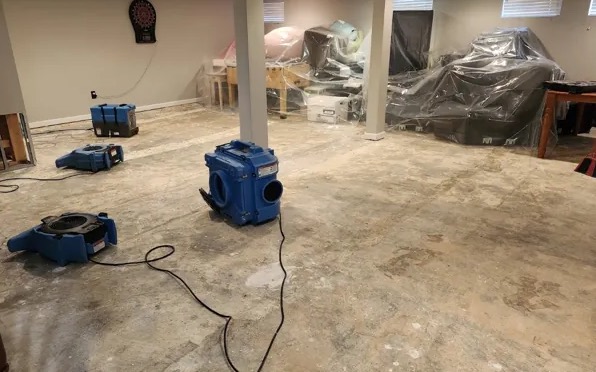
High-Velocity Air Mover Drying Solutions in Plainville, Massachusetts
In Plainville, drying stops water damage inside the structure itself. Without proper drying, water hidden in wall cavities or under hardwood leads to large repairs later.
Help with high-velocity air mover drying is a vital resource for homes and commercial properties throughout Plainville and nearby areas like North Attleborough, Wrentham and Foxborough following water incidents. Local drying specialists apply these rapid drying methods to address saturation in carpets, wall cavities, and subfloors, common issues in the area's structures.
The High-Velocity Air Mover Drying Process for Plainville
Equipment Assisted Drying
Professional drying employs a combination of tools. High-velocity air movers provide the airflow, while other equipment monitors and extracts moisture from the air.
Hardwood Floor Drying
Hardwood reacts badly to water left in it. Air movers set at a gentle angle dry the surface steadily to limit cupping and warping.
Commercial Building Air Mover Drying
Large commercial water losses need a lot of airflow. Air movers are lined up to dry wide concrete floors and open warehouse areas.
Residential Flood Drying Services
In homes, air movers set up directed airflow that draws water out of drywall, wood and carpet pad.
Post-Extraction Structural Drying
Drying the structure means getting water out of studs, subfloors and framing after extraction is done.
When to Call for High-Velocity Air Mover Drying in Plainville
Visible Warping or Buckling Floors
Warped or buckled wood floors or baseboards mean moisture is trapped in the wood or the subfloor beneath.
Carpet Feels Soggy or Damp
Carpet that stays wet or soggy for more than a day is holding water in the pad that needs forced airflow to dry.
Water Stains on Building Materials
Yellow or brown stains on ceilings, walls or floors show where leaks may have left water behind.
Wet Spots on Walls or Ceilings
Damp patches or discoloration on drywall mean water is inside the wall cavity.
How High-Velocity Air Mover Drying Works in Plainville
Step 1: Water Extraction and Source Removal
Any standing water left is removed first, since air movers work only after extraction.
Step 2: Deployment of High-Velocity Air Movers
Air movers push fast-moving air across wet materials so the water evaporates sooner.
Step 3: Continuous Moisture Monitoring
Moisture in materials and the air is checked often, and the equipment is moved as areas dry.
Step 4: Final Dry Standard Confirmation
The job ends when all readings confirm the walls, floors and framing are dry.
Sources of Moisture for Air Mover Drying in Plainville
Appliance Malfunctions and Overflows
Water heaters, washing machines and dishwashers that leak or overflow are common sources of wet floors and walls.
Natural Flooding From Heavy Rain
Heavy rain or flash flooding can overwhelm drainage and push water into buildings.
Roof Leaks From Storm Damage
Wind-driven rain, missing shingles or damaged flashing can let water into attics and walls.
Human Error and Accidental Spills
Overflowing bathtubs, sink mishaps, or other indoor accidents introduce water that can soak into materials.
Both Residential & Commercial High-Velocity Air Mover Drying in Plainville, MA
Residential High-Velocity Air Mover Drying
Carpet and hardwood floors are the most common things to dry in homes. Local drying specialists aim air movers at fibers and planks to pull water out before boards warp or shrink.
Commercial High-Velocity Air Mover Drying
Restaurants, schools and hospitals need sanitary, rapid drying. Readings are taken until every area is back to normal so the space can reopen.
High-Velocity Air Mover Drying vs. DIY Drying Methods
Stop the water source if safe to do so, such as turning off a main valve. Remove portable items like rugs from the wet area. For small spills, use towels to blot surface moisture.
What Affects High-Velocity Air Mover Drying Cost in Plainville, MA
The cost of high-velocity air mover drying in Plainville depends on the scope of the water intrusion and the number of drying days required.
Post-Drying Verification
Final moisture checks to confirm everything is dry are part of the cost.
Equipment Quantity and Type
The number and size of air movers needed grows with the size of the wet area.
Pre-Drying Water Extraction
Standing water has to be extracted before air movers can work, which adds a first step.
Does Insurance Cover High-Velocity Air Mover Drying?
Drying wall cavities or basements often counts as mitigation, which some policies cover. Always verify coverage with your insurance provider, as they have final authority on all payment decisions for drying equipment.
Why Hire Local Pros for High-Velocity Air Mover Drying in Plainville
Focused Airflow Management
Air movers are placed so air flows across every wet surface, not just the middle of the room.
Comprehensive Damage Documentation
Logs and photos of moisture levels support your insurance claim for the drying.
IICRC-Standard Drying Methods
Drying to set targets, confirmed with meters, keeps moisture from causing swelling or decay later.
Round-the-Clock High-Velocity Air Mover Drying for Plainville
If you find standing water, drying matters. Call (508) 219-6294 for 24/7 help and a check of what needs drying in Plainville.
Call Now (508) 219-6294Local High-Velocity Air Mover Drying Serving Plainville and Beyond
Help with high-velocity air mover drying is available in Plainville and nearby North Attleborough, Wrentham and Foxborough after leaks and floods.
- High-Velocity Air Mover Drying in North Attleborough
- High-Velocity Air Mover Drying in Wrentham
- High-Velocity Air Mover Drying in Foxborough
- High-Velocity Air Mover Drying in Franklin
- High-Velocity Air Mover Drying in Mansfield
- High-Velocity Air Mover Drying in Norfolk
- High-Velocity Air Mover Drying in Norton
- High-Velocity Air Mover Drying in Bellingham
- Emergency Damage Restoration in 02762
- Storm Damage Restoration in 02762
- Water Damage Restoration in 02762
- Water Extraction Service in 02762
- Water Leak Detection in 02762
- Water Removal Service in 02762
High-Velocity Air Mover Drying FAQs for Plainville Property Owners
What is post-extraction structural drying?
This phase begins after standing water is removed; air movers and dehumidifiers are deployed to dry the remaining moisture in materials.
Do air movers remove moisture from the air?
No. Air movers lift water off surfaces into the air, and dehumidifiers remove it from the air. Both are needed.
What indicates that drying is complete?
Moisture meters test the materials and compare them with dry areas nearby, which shows when drying is done.
How fast does high velocity drying work?
It depends on the material and humidity, but air movers often cut days off the drying time compared to doing nothing.
What areas need drying after a pipe leak?
Water often wicks into wall cavities, under trim and into subfloors, and all of those need to be checked and dried.