Ludlow, MA · Hampden County
High-Velocity Air Mover Drying in Ludlow, MAWall Cavity Drying & Carpet Drying With Air Movers
High-Velocity Air Mover Drying in Ludlow includes residential flood drying services, carpet drying with air movers and wall cavity drying.
Answered 24/7
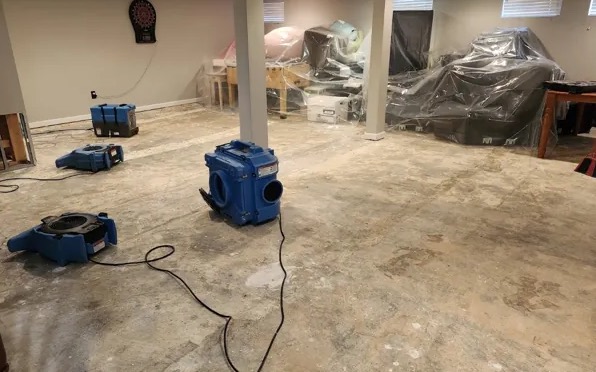
High-Velocity Air Mover Drying for Ludlow Homes and Businesses
In Ludlow, drying stops water damage inside the structure itself. Without proper drying, water hidden in wall cavities or under hardwood leads to large repairs later.
In Ludlow and nearby locales like Wilbraham, Chicopee and East Longmeadow, high-velocity air mover drying is a targeted way to reach specific drying goals. After extraction, air movers are set to create cross-flow over wet floors and walls. Dehumidifiers then pull the evaporated water out of the air.
The High-Velocity Air Mover Drying Process for Ludlow
Wall Cavity Drying
Water inside wall cavities is hard to see. Air movers can push air into the cavity through small holes so it dries from the inside.
Carpet Drying With Air Movers
Drying the top of the carpet is not enough. Air moving under the carpet dries the backing and pad so they do not smell or come apart later.
Hardwood Floor Drying
For wet hardwood floors in Ludlow, time-sensitive drying is critical. High-velocity air movers are arranged to dry the floor surface and the space beneath it simultaneously.
Basement Water Drying
Drying a basement after water gets in takes several steps, and air movers are the main tool for drying floors and walls.
Post-Extraction Structural Drying
Removing standing water is only part of the job. The drying that follows uses air movers to dry the building materials themselves.
When to Call for High-Velocity Air Mover Drying in Ludlow
Efflorescence on Concrete Surfaces
White, powdery deposits on basement walls or floors are minerals left by evaporating water, a sign of ongoing moisture.
Visible Mold or Mildew
Fuzzy or speckled mold means moisture has been present for days and the area needs drying.
Wet Spots on Walls or Ceilings
Damp patches or discoloration on drywall mean water is inside the wall cavity.
High Humidity in a Specific Area
A humid or clammy feel in one room points to water that has not dried out.
How High-Velocity Air Mover Drying Works in Ludlow
Step 1: Initial Assessment and Moisture Mapping
Local water removal experts start by mapping the wet areas with moisture meters to decide where air movers are needed.
Step 2: Strategic Air Mover Placement
Industrial air movers are positioned to create optimal airflow across wet surfaces and within cavities.
Step 3: Controlled Evaporation and Dehumidification
Dehumidifiers run with the air movers to collect the moisture they lift into the air.
Step 4: Verification of Complete Drying
Follow-up moisture checks confirm all the wet materials are back to normal dryness.
What Leads to Needing High-Velocity Air Mover Drying in Ludlow
Human Error and Accidental Spills
Overflowing bathtubs, sink mishaps, or other indoor accidents introduce water that can soak into materials.
Improper Grading and Poor Drainage
Ground that slopes toward the foundation sends rain at the walls and keeps them damp.
Plumbing Leaks and Pipe Bursts
A sudden pipe failure or slow leak from supply lines, drains, or appliances can flood areas quickly.
Natural Flooding From Heavy Rain
Heavy rain or flash flooding can overwhelm drainage and push water into buildings.
High-Velocity Air Mover Drying for Homes and Businesses in Ludlow
Residential High-Velocity Air Mover Drying
In homes, drying saves belongings and keeps damage from spreading. Air movers are aimed at attics, crawl spaces and living areas wherever water reached.
Commercial High-Velocity Air Mover Drying
Office buildings and facilities use commercial air mover drying to meet reopening timelines. Air movers can be aimed at spaces behind fixed installations and in complex layouts.
High-Velocity Air Mover Drying vs. DIY Drying Methods
You may remove wet, non-structural debris like cardboard boxes or soaked insulation bags from the area. Wear gloves and a mask while you do it. Drying the structure itself, such as hardwood floors or wall cavities, takes professional structural drying systems.
Elements of High-Velocity Air Mover Drying Cost in Ludlow
Your high velocity drying cost in Ludlow depends on the size of the wet area, how hard it is to reach wet cavities, and whether extraction is needed first.
Drying Time Required
The number of days the equipment runs to reach normal dryness affects labor, monitoring and equipment costs.
Affected Square Footage
The total wet area sets how many air movers are needed, which is a main cost driver.
Ancillary Dehumidification Need
Dehumidifiers are usually needed alongside air movers, adding equipment to the setup.
Does Insurance Cover High-Velocity Air Mover Drying?
Whether high velocity drying is a covered expense is determined by your insurance policy's language regarding water damage mitigation. You should initiate a claim and get guidance from your insurer, as coverage decisions are theirs alone to make based on your contract.
Choosing Local Pros for High-Velocity Air Mover Drying in Ludlow, Massachusetts
Targeted Structural Drying
The drying plan is matched to the materials, from hardwood floors to concrete slabs.
Comprehensive Damage Documentation
Logs and photos of moisture levels support your insurance claim for the drying.
Advanced Moisture Detection
Moisture meters find water in wall cavities and subfloors that DIY drying often misses.
24/7 Emergency High-Velocity Air Mover Drying in Ludlow
For flood drying with commercial air movers, call (508) 219-6294 day or night. Starting in the first hours after water gets in limits damage to the structure and belongings.
Call Now (508) 219-6294High-Velocity Air Mover Drying Availability in Ludlow and Nearby
Air mover drying after a leak or flood is available in Ludlow and nearby Wilbraham, Chicopee and East Longmeadow.
- High-Velocity Air Mover Drying in Wilbraham
- High-Velocity Air Mover Drying in Chicopee
- High-Velocity Air Mover Drying in East Longmeadow
- High-Velocity Air Mover Drying in Granby
- High-Velocity Air Mover Drying in Holyoke
- High-Velocity Air Mover Drying in South Hadley
- High-Velocity Air Mover Drying in Palmer
- High-Velocity Air Mover Drying in Longmeadow
- Emergency Damage Restoration in 01056
- Storm Damage Restoration in 01056
- Water Damage Restoration in 01056
- Water Extraction Service in 01056
- Water Leak Detection in 01056
- Water Removal Service in 01056
Frequently Asked Questions About High-Velocity Air Mover Drying
How does air mover drying differ from fans?
Commercial air movers push a focused stream of air much stronger than a box fan, made for drying building materials.
When is commercial building air mover drying needed?
After large leaks in offices or warehouses, to dry big spaces quickly and limit business disruption and further damage.
What is involved in wall cavity drying?
Pros use air movers directed at wall surfaces and often create strategic ventilation to dry moisture trapped inside walls.
Do air movers remove moisture from the air?
No. Air movers lift water off surfaces into the air, and dehumidifiers remove it from the air. Both are needed.
What areas need drying after a pipe leak?
Water often wicks into wall cavities, under trim and into subfloors, and all of those need to be checked and dried.