Worcester, MA · Worcester County
Full Structural Restoration in Worcester, MAStructural Water Damage Repair & Floor Joist Repair Services
Full Structural Restoration in Worcester covers structural water damage repair, foundation water restoration and wall framing drying services.
Answered 24/7
Professional Full Structural Restoration in Worcester, MA
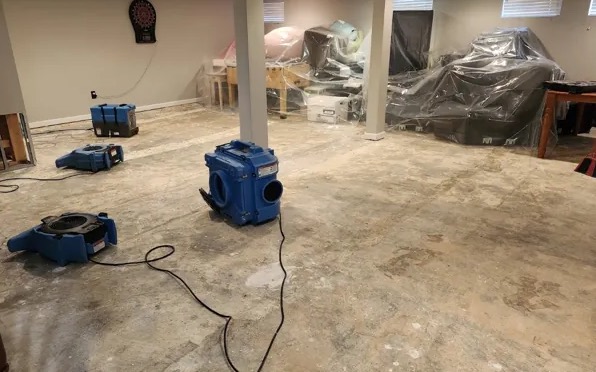
In Worcester, water weakens supports over time, so repairs should start early. The local structural damage experts tackle it by implementing a phased plan: initial assessment, aggressive structural drying and dehumidification, and then precise reconstruction of damaged elements.
In Worcester, structural repairs often follow plumbing failures or storms. Nearby places like Auburn, Shrewsbury and Millbury also rely on these expert services to maintain property integrity. The local structural damage experts prioritize thorough drying before any reconstruction begins.
Full Structural Restoration Solutions for Worcester Properties
Structural Water Damage Repair
When water soaks load-bearing elements, structural water damage repair is needed. The professionals assess saturation and apply targeted drying. Timely action prevents costly reconstruction later.
Floor Joist Repair Services
Soggy floor joists compromise floor stability. Repair starts with a complete subfloor assessment. Experts measure moisture and test wood integrity to choose a method.
Load-Bearing Wall Restoration
Repairs return the wall to its original load capacity. Experts inspect for twisting or bowing in structural members. Repair can include adding steel brackets or replacing frame sections.
Structural Integrity Assessment
In Worcester, this assessment helps homeowners understand the situation. The pros document the extent of the damage and provide a clear report to support next steps.
Wall Framing Drying Services
Drying prevents walls and ceilings from buckling. Experts identify if the water source is internal or external. Their plan may include removing insulation for air circulation.
When to Consider Full Structural Restoration in Worcester
Musty Odors in Wall Cavities
Persistent musty smells from walls or floors suggest hidden moisture and decay within the structural framing.
Post-Flood Visible Wood Rot
Discolored, soft or crumbling wood after a flood needs to be checked to see whether it can be dried or must be replaced.
Foundation Wall Efflorescence
White, chalky residue on foundation walls means water is seeping through the concrete.
Visible Mold on Structural Wood
Mold growth on studs, joists, or beams shows prolonged moisture that weakens the building structure repair.
How Full Structural Restoration Works in Worcester
Step 1: On-Site Structural Integrity Assessment
The job begins with a hands-on assessment of all framing, from the foundation up, to diagnose the full scope of structural damage.
Step 2: Controlled Demolition for Access
Selective, careful removal of finishes provides access to wet structural wood for the upcoming wall framing drying services and repairs.
Step 3: Targeted Drying Protocol Implementation
A customized drying plan using injectidry systems or similar technology addresses hidden moisture in structural members for post-flood structural repair.
Step 4: Reconstruction With Durable Materials
The final phase involves rebuilding with treated or moisture-resistant lumber where needed, solidifying the building structure repair for the long term.
Common Causes of Structural Water Damage in Worcester
Major Plumbing System Failures
Burst supply lines or drain pipe failures can flood a structure, saturating load-bearing walls and floor systems.
Foundation Cracks and Hydrostatic Pressure
Cracked foundations permit groundwater intrusion, a primary cause for foundation water restoration work. The damage needs drying and repair before it spreads.
Appliance Leaks or Malfunctions
Water heater ruptures or washing machine hose failures release large volumes, compromising structural wood near utilities.
Firefighting Water After a Blaze
The substantial water used to extinguish fires soaks structural members, demanding post-fire structural drying methods.
Worcester Full Structural Restoration for All Property Types
Residential Full Structural Restoration
Residential structural integrity restoration often involves discreet repairs to preserve aesthetics. In occupied homes, the professionals repair joists and walls while controlling dust and disruption.
Commercial Full Structural Restoration
Commercial structural drying and dehumidification requires industrial-scale equipment for large warehouses or offices. The experts assess steel supports, concrete slabs, and large-span roof systems to prevent business interruption from post-flood structural repair delays.
The Limits of DIY for Full Structural Restoration in Worcester
Monitoring the area for new signs like expanding cracks or increased bowing is a prudent DIY step. Keep the area ventilated if possible, but avoid using personal fans on soaked structural wood, as improper drying can warp it. For proper structural drying methods, contact the professionals.
Estimating Full Structural Restoration Expenses in Worcester
An assessment sets the scope, which drives the price of wall and joist repairs. The assessment identifies all compromised elements that require drying or replacement.
Contamination Level
Post-flood structural repair for category 2 or 3 water involves additional safety protocols and cleaning, increasing the overall restoration effort.
Extent of Structural Damage
The scale of damage to framing, foundation, or load-bearing elements dictates the materials and labor required for complete structural integrity restoration.
Project Complexity
Hard-to-reach structural wood and foundation repairs take more time and add to the cost.
Does Insurance Cover Full Structural Restoration?
The question of insurance coverage for structural damage assessment and repair is policy-specific. Homeowners should consult their insurer to verify what portions of the structural integrity restoration are covered.
Why Choose Local Structural Damage Experts for Full Structural Restoration in Worcester
Foundation Restoration Focus
Attention to foundation water restoration helps prevent long-term settlement issues and preserves the stability of the entire structure above.
Post-Flood Structural Protocols
Specific procedures for post-flood structural repair address contamination and saturation levels to safely restore the building's framework.
24/7 Emergency Response
Fast action stops water from weakening load-bearing parts and the foundation over time.
24/7 Emergency Full Structural Restoration in Worcester
After a flood, structural drying should start as soon as possible to save the framing. Call the pros at (508) 219-6294 for emergency drying in Worcester.
Call Now (508) 219-6294Full Structural Restoration Available Throughout Worcester County
The pros use drying equipment for building repairs across Worcester. They help homeowners in Auburn, Shrewsbury and Millbury restore safety and integrity to water-damaged homes.
Full Structural Restoration FAQs
How are different structural drying methods selected?
The selection is based on the materials involved, the extent of saturation, and the construction type. For example, open-wall drying may be chosen for severe wall framing saturation.
Why is wall restoration after water damage complex?
Wood inside the wall must dry fully before finishes are repaired so no moisture is sealed in.
How long does structural drying and dehumidification take?
Drying dense structural wood like floor joists and wall framing typically takes several days, monitored with moisture meters until materials reach a dry standard to prevent future rot.
How is structural moisture removal verified?
The pros use penetrating moisture meters to take readings inside wood members. Drying continues until these readings match the moisture content of known dry materials elsewhere in the home.
How does restoring structural wood prevent mold?
By rapidly reducing the moisture content of wood framing and joists below the threshold that supports mold growth, professional drying eliminates the primary condition mold needs to develop.