Harvard, MA · Worcester County
Floor Water Damage Restoration in Harvard, MASubfloor Water Damage Repair & Emergency Floor Water Removal
Floor Water Damage Restoration in Harvard covers subfloor water damage repair, emergency floor water removal and vinyl floor water damage cleanup.
Answered 24/7
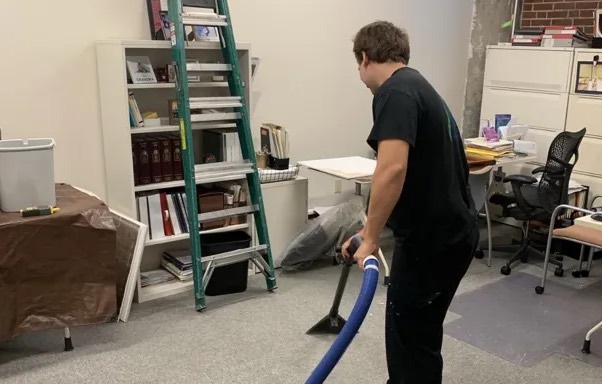
Local Floor Water Damage Restoration Solutions in Harvard
Emergency floor water removal in Harvard is crucial because the first 24-48 hours after a flood determine the extent of salvageable materials.
Wet floor restoration services in Harvard and nearby areas like Bolton, Lancaster and Clinton focus on thorough moisture extraction from all flooring layers. This helps preserve the integrity of homes in Harvard.
Detailed Floor Water Damage Restoration for Harvard Properties
Subfloor Water Damage Repair
Hidden water can rot a subfloor. Pros locate the moisture with sensors, then cut out and replace damaged plywood or OSB.
Emergency Floor Water Removal
The first hours matter most. Pros stop the water source and extract visible water before it seeps into walls.
Carpet Water Extraction Services
Local floor water removal experts remove bulk water from carpet, then often lift it to dry the pad and subfloor separately.
Laminate Floor Water Damage Cleanup
Water in laminate seams swells the core. Local floor water removal experts extract the water and remove damaged planks before new flooring goes in.
Vinyl Floor Water Damage Cleanup
Bubbling and lifting mean water is under the vinyl. Pros stop the source, extract the moisture and dry the area for new flooring.
Signs Your Floors Need Water Damage Restoration
Spongy or Soft Spots
A spot that feels soft or gives a little underfoot often means the subfloor below is wet or swelling.
Laminate Floor Swelling
Swollen edges or a pillowed look on laminate planks means the fiberboard core has soaked up water and will not flatten again.
Musty or Damp Odors
A persistent earthy smell often means water is trapped within flooring materials, promoting microbial growth.
Tile Grout Deterioration
Crumbling or discolored grout lets water seep under tiles and soak the underlayment, often long before tiles loosen.
How Floor Water Damage Restoration Works in Harvard
Step 1: Flooded Floor Inspection
The process starts with a detailed inspection to map the extent of water migration.
Step 2: Targeted Water Removal
Extractors pull water from carpet, underlayment and the joints of hard floors to limit swelling and staining.
Step 3: Structural Drying Phase
High-velocity air movers force evaporation, while dehumidifiers capture the released moisture. This combination ensures thorough drying of the floor assembly.
Step 4: Final Verification and Cleanup
Before completion, moisture readings are taken to verify all materials are within dry standards. The area is then cleaned and sanitized.
Frequent Sources of Floor Water Damage
Natural Flooding Events
Heavy rains, flash floods, or overflowing bodies of water can inundate ground-level floors.
HVAC System Condensation
A clogged condensate line or a sweating air handler can drip for weeks and soak the floor around the unit without anyone noticing.
Overflowing Sinks or Tubs
A bathroom or kitchen overflow can send water across the floor and down through seams into the subfloor.
Roof Leaks and Storm Damage
Roof leaks travel along joists and walls before they show up, often soaking upper floors and the subfloor first.
Residential and Commercial Floor Water Damage Restoration in Harvard
Residential Floor Water Damage Restoration
Extraction experts use powerful truck-mounted units to remove water, then lift carpets for underlayment drying, a key step in preventing odors and preserving the homeowner's investment.
Commercial Floor Water Damage Restoration
The process involves careful removal of planks, drying of the substrate, and replacement with the same materials so the floor looks uniform.
Why DIY Floor Water Damage Restoration Often Fails in Harvard
Use a wet-dry vacuum for minor spills on surfaces. Increase ventilation with open windows and fans. Monitor for dampness or odors over 24 hours. A spongy floor or musty smell means moisture has gone deeper and needs professional extraction.
Factors Affecting Floor Water Damage Restoration Cost in Harvard
For floor water damage restoration in Harvard, pricing reflects the severity of the leak and the square footage needing treatment.
Required Drying Time
The more days the flooring takes to dry, the longer the equipment runs and the higher the labor total.
Extent of Saturation
The wet area and how deep the water went decide how many air movers and dehumidifiers are needed and for how many days.
Emergency Service Timing
Night and weekend calls for water extraction may carry after-hours rates for the first visit.
Does Insurance Cover Floor Water Damage Restoration?
Coverage for wet floors depends on where the water came from and how your policy is written. Do not assume a loss is covered until your insurer confirms it in writing.
Why Choose Local Pros for Floor Water Damage Restoration in Harvard
Structural Integrity Assessment
Floors are watched during drying for swelling or soft spots that may need a contractor after the water work is done.
Focused Subfloor Attention
The subfloor is dried as well as the surface, since it often stays wet long after the top layer feels dry.
24/7 Emergency Response
Help is available around the clock, which matters because floors keep soaking up water until it is removed.
Round-the-Clock Floor Water Damage Restoration in Harvard
For sudden flooding that soaks carpets, hardwood, or tile, time is your biggest enemy. Secure emergency floor water damage repair help in Harvard now by calling (508) 219-6294.
Call Now (508) 219-6294Floor Water Damage Restoration Near Harvard: Areas Served
The specialists serve Harvard and the broader region, including Bolton, Lancaster and Clinton, with focused techniques for each unique flooring situation.
- Floor Water Damage Restoration in Bolton
- Floor Water Damage Restoration in Lancaster
- Floor Water Damage Restoration in Clinton
- Floor Water Damage Restoration in Leominster
- Floor Water Damage Restoration in Lunenburg
- Floor Water Damage Restoration in Framingham
- Floor Water Damage Restoration in Marlborough
- Floor Water Damage Restoration in Sterling
- Emergency Damage Restoration in 01451
- Storm Damage Restoration in 01451
- Water Damage Restoration in 01451
- Water Extraction Service in 01451
- Water Leak Detection in 01451
- Water Removal Service in 01451
Common Floor Water Damage Restoration Queries Answered
Are floor water damage services necessary for small leaks?
Even small, slow leaks can cause significant hidden damage over time, rotting subfloors and fostering mold.
Is carpet water damage cleanup different from other floors?
Yes. Weighted wands pull water out, the pad is often replaced, and the carpet and subfloor are dried separately.
Can floor water damage lead to mold growth?
Yes. Wet wood subflooring and carpet backing can start growing within 24 to 48 hours, so drying matters.
What is the biggest risk of delaying floor leak repair?
Beyond surface damage, delayed repair allows water to migrate, compromising structural subflooring and wall studs.
How does the water source affect floor water damage cleanup?
Clean water needs standard drying. Gray or contaminated water also needs antimicrobial treatment and may mean discarding porous flooring.