Norfolk, MA · Norfolk County
Desiccant Dehumidification in Norfolk, MAEmergency Dehumidification & Crawl Space Drying
After a flood, Desiccant Dehumidification in Norfolk means flood drying services, emergency dehumidification and water damage dehumidification.
Answered 24/7
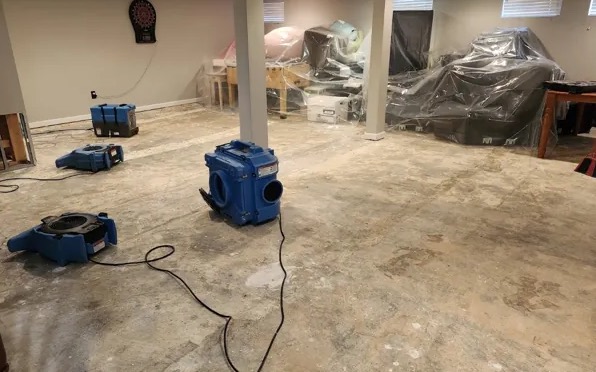
Desiccant Dehumidification Solutions in Norfolk, Massachusetts
After water damage in Norfolk, dry air pulls moisture out of wet materials. The drier the air, the faster walls, floors and framing give up their water.
In Norfolk, desiccant drying is often used in crawl spaces and large buildings after floods. Local water damage restoration pros serve Norfolk, Wrentham, Millis and Medway, choosing equipment based on readings.
Specialized Desiccant Dehumidification in Norfolk, MA
Emergency Dehumidification
Emergency dehumidification starts as soon as standing water is removed, which limits swelling, warping and odor.
Crawl Space Drying
Crawl spaces are cool and damp, which suits desiccant units. Dry air is pushed in to pull moisture from the joists and subfloor.
Construction Drying Services
Construction drying speeds up schedules by lowering humidity so slabs and drywall reach the moisture levels flooring and paint need.
Water Damage Dehumidification
Desiccant or refrigerant dehumidifiers are chosen based on the space, the temperature and how dry the air needs to get.
Basement Dehumidification
Basement concrete and framing release water slowly. Desiccant drying keeps humidity low so they can dry in a reasonable time.
Red Flags for Desiccant Dehumidification in Norfolk Properties
High Humidity Readings on Meter
A hygrometer that keeps reading high humidity days after a leak shows the space is not drying.
Spongy Drywall or Soft Spots
Drywall that feels soft or spongy has absorbed water and may need removal if it does not dry.
Strong Damp Odor in Rooms
A damp smell that stays in a room after cleanup means materials there are still holding moisture.
Visible Condensation on Windows
Windows that fog or drip inside show the air holds too much moisture for materials to dry.
How Desiccant Dehumidification Works in Norfolk
Step 1: Moisture Mapping
Readings across walls, floors and framing show exactly where moisture remains in the building.
Step 2: Equipment Placement
Dehumidifiers and air movers are placed where the moisture readings are highest.
Step 3: Continuous Moisture Extraction
Drying runs until the wettest areas match the rest of the building.
Step 4: Confirmation and Reporting
A report shows the starting and final moisture readings for each area that was dried.
Sources of Moisture Requiring Desiccant Dehumidification in Norfolk
Severe Weather and Storm Flooding
Storms and flooding soak lower levels and leave large volumes of wet material.
Poor Ventilation in Enclosed Areas
Closed, poorly ventilated spaces trap moisture and dry very slowly after water damage.
Appliance Malfunctions and Overflows
Washers, dishwashers and water heaters that leak leave wet floors, cabinets and walls.
Roof Leaks From Damaged Shingles
Roof leaks from damaged shingles soak attic insulation, roof decking and the ceilings below.
Desiccant Dehumidification for Homes & Businesses in Norfolk
Residential Desiccant Dehumidification
Homeowners with damp basements may need desiccant drying after a flood because cool concrete and air slow standard units.
Commercial Desiccant Dehumidification
Warehouses with large slabs and stock need humidity kept low during drying to protect inventory and dry the concrete.
Why DIY Falls Short for Desiccant Dehumidification in Norfolk
You can run your own dehumidifier and keep the wet room closed. Drying soaked materials in a crawl space or cool lower level usually needs commercial equipment.
Understanding Desiccant Dehumidification Expenses in Norfolk
Repairs after drying are a separate cost. In Norfolk, fully dried materials often mean fewer repairs are needed.
Access and Complexity
Crawl spaces, tight areas and large buildings take more effort to set up and monitor.
Additional Restoration Steps
Extraction, material removal and cleaning before drying are separate steps that add to the total.
Time of Response
Night, weekend and holiday setup can cost more than a scheduled weekday visit.
Does Insurance Cover Desiccant Dehumidification?
Insurers often want proof that drying was needed and that it worked. Starting and final moisture readings from the job show both.
The Value of Local Pros for Desiccant Dehumidification in Norfolk
Desiccant Equipment
Desiccant units are used where they fit, such as cool spaces, crawl spaces and large buildings.
Post-Flood Drying
Floodwater cleanup is followed by drying that continues until readings are normal.
Targeted Drying
Equipment is placed for the specific materials and spaces that are wet.
Emergency Desiccant Dehumidification Response for Norfolk
If the wet area has electrical hazards or sagging ceilings, stay clear and shut off power if it is safe. Then call (508) 219-6294 for help in Norfolk.
Call Now (508) 219-6294Desiccant Dehumidification Near Norfolk: Areas Served
Help with desiccant dehumidification reaches Wrentham, Millis and Medway, plus other communities around Norfolk, for houses, apartments and large buildings.
- Desiccant Dehumidification in Wrentham
- Desiccant Dehumidification in Millis
- Desiccant Dehumidification in Medway
- Desiccant Dehumidification in Walpole
- Desiccant Dehumidification in Franklin
- Desiccant Dehumidification in Medfield
- Desiccant Dehumidification in Foxborough
- Desiccant Dehumidification in Plainville
- Emergency Damage Restoration in 02056
- Storm Damage Restoration in 02056
- Water Damage Restoration in 02056
- Water Extraction Service in 02056
- Water Leak Detection in 02056
- Water Removal Service in 02056
Answers to Top Desiccant Dehumidification Queries
How is emergency dehumidification different from standard service?
It starts right after a leak or flood, any time of day, so materials do not keep soaking up moisture.
What happens after desiccant dehumidification is complete?
Final readings are recorded, equipment is removed and the space is ready for repairs or finishes.
Can desiccant dehumidification help prevent mold?
Yes. Lowering humidity and drying materials quickly is one of the main ways to keep mold from starting.
What is desiccant dehumidification used for?
Drying spaces after water damage where standard dehumidifiers struggle, such as cool crawl spaces, large buildings and dense materials.
What does water damage dehumidification include?
Taking readings, placing dehumidifiers and air movers, logging progress daily and confirming materials are dry.