Monson, MA · Hampden County
Desiccant Dehumidification in Monson, MAEmergency Dehumidification & Firefighting Water Drying
Property owners in Monson get Desiccant Dehumidification for water damage dehumidification, crawl space drying and flood drying services.
Answered 24/7
Local Desiccant Dehumidification Services for Monson
Construction projects in Monson can trap moisture in new concrete, drywall mud and framing. Flooring and finishes may fail if laid over damp materials.
Homes, job sites and commercial buildings in Monson and nearby Palmer, Wilbraham and Ludlow sometimes need more drying power than standard equipment provides. Help with desiccant dehumidification covers those cases.
Desiccant Dehumidification Services in Monson
Emergency Dehumidification
Emergency dehumidification starts as soon as standing water is removed, which limits swelling, warping and odor.
Firefighting Water Drying
Firefighting water can soak several rooms at once. Large drying setups remove that moisture so repairs can begin.
Basement Dehumidification
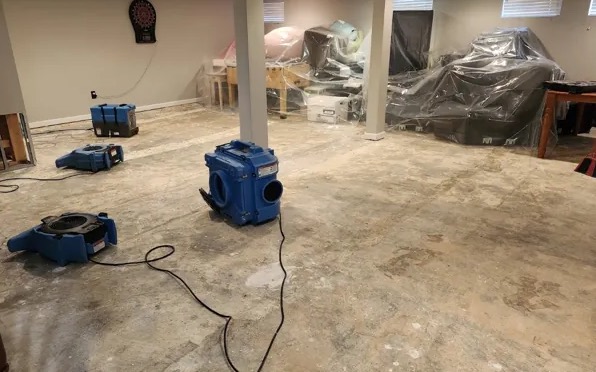
Basement concrete and framing release water slowly. Desiccant drying keeps humidity low so they can dry in a reasonable time.
Crawl Space Drying
Water is removed from the crawl space first, then desiccant drying brings humidity down so the framing can dry.
Flood Drying Services
After floodwater is pumped out, desiccant dehumidifiers can bring the air to very low humidity, which pulls moisture out of walls, floors and framing faster.
Red Flags for Desiccant Dehumidification in Monson Properties
Peeling Paint or Wallpaper
Paint or wallpaper that peels after a leak has moisture behind it that has not dried.
Musty Smell in Stored Items
Boxes and fabrics that smell musty show the space has stayed damp too long.
Wet Insulation in Attics or Walls
Insulation that is wet in attics or walls holds water against framing and slows drying.
Cold, Damp Feeling in Air
Air that feels cold and damp, especially in lower levels, can be too cool for standard dehumidifiers to work well.
How Desiccant Dehumidification Works in Monson
Step 1: First Call and Setup
Help is available any hour, and drying equipment is set up as soon as standing water is removed.
Step 2: Dry Air Environment
The space is closed off so dehumidifiers can bring humidity down quickly.
Step 3: Continuous Moisture Removal
Equipment runs around the clock, pulling moisture from walls, floors and framing.
Step 4: Restoration Verification
Readings are compared to unaffected dry areas before any equipment is removed from the site.
Typical Moisture Intrusions and Desiccant Dehumidification in Monson
Severe Weather and Storm Flooding
Storms and flooding soak lower levels and leave large volumes of wet material.
Roof Leaks From Damaged Shingles
Roof leaks from damaged shingles soak attic insulation, roof decking and the ceilings below.
New Construction Moisture Trapped
New concrete, drywall mud and framing on job sites hold moisture until they are dried.
Foundation Cracks and Seepage
Foundation cracks let groundwater seep into lower levels, keeping walls and floors damp.
Desiccant Dehumidification for All Property Types in Monson
Residential Desiccant Dehumidification
In homes, desiccant drying is most often used in crawl spaces and cool lower levels after leaks or floods. Standard units are used in warm rooms where they work well.
Commercial Desiccant Dehumidification
In commercial buildings, high-capacity desiccant units can dry large floors and high-ceiling spaces after sprinkler leaks or floods, with drying planned around business hours.
Professional Desiccant Dehumidification or DIY in Monson?
Do not run drying equipment on materials soaked by sewage or floodwater before they are cleaned or removed, since that spreads contamination through the house.
Investing in Desiccant Dehumidification for Monson Properties
Flood cleanup, crawl space access, material removal and after-hours setup all add to the total for desiccant dehumidification in Monson.
Duration of Equipment Use
Drying usually takes several days, and each day of equipment use adds to the total.
Access and Complexity
Crawl spaces, tight areas and large buildings take more effort to set up and monitor.
Affected Area Size
Larger affected areas need more drying units and more air movers running at once.
Does Insurance Cover Desiccant Dehumidification?
Photograph wet areas before drying begins and keep receipts for emergency extraction, drying equipment and any hotel stay during the work.
Selecting Local Pros for Desiccant Dehumidification in Monson, Massachusetts
Industry Drying Standards
Drying follows industry water damage standards, with readings taken at every visit.
Structural Drying
Walls, floors and framing are dried, not just the air in the room.
Prevention of Mold
Fast, complete drying is one of the main ways to keep mold from starting after water damage.
Urgent Desiccant Dehumidification Available in Monson
Night, weekend or holiday, local desiccant dehumidification experts set up drying equipment in Monson. Call (508) 219-6294 any time to get drying started.
Call Now (508) 219-6294Desiccant Dehumidification Coverage for Monson and Beyond
Help with desiccant dehumidification reaches Palmer, Wilbraham and Ludlow, plus other communities around Monson, for houses, apartments and large buildings.
- Desiccant Dehumidification in Palmer
- Desiccant Dehumidification in Wilbraham
- Desiccant Dehumidification in Ludlow
- Desiccant Dehumidification in Warren
- Desiccant Dehumidification in East Longmeadow
- Desiccant Dehumidification in Ware
- Desiccant Dehumidification in Sturbridge
- Desiccant Dehumidification in Belchertown
- Emergency Damage Restoration in 01057
- Storm Damage Restoration in 01057
- Water Damage Restoration in 01057
- Water Extraction Service in 01057
- Water Leak Detection in 01057
- Water Removal Service in 01057
Frequently Asked Questions About Desiccant Dehumidification
Can desiccant dehumidification help prevent mold?
Yes. Lowering humidity and drying materials quickly is one of the main ways to keep mold from starting.
How is emergency dehumidification different from standard service?
It starts right after a leak or flood, any time of day, so materials do not keep soaking up moisture.
Why use desiccant drying after a fire?
Firefighting water soaks large areas, and high-capacity drying helps remove that moisture once debris is cleared.
What is desiccant dehumidification used for?
Drying spaces after water damage where standard dehumidifiers struggle, such as cool crawl spaces, large buildings and dense materials.
What areas can benefit from moisture control services?
Crawl spaces, lower levels, attics, large commercial spaces and any room where materials got wet.