Fall River, MA · Bristol County
Desiccant Dehumidification in Fall River, MAFirefighting Water Drying & Flood Drying Services
After a flood, Desiccant Dehumidification in Fall River means flood drying services, emergency dehumidification and water damage dehumidification.
Answered 24/7
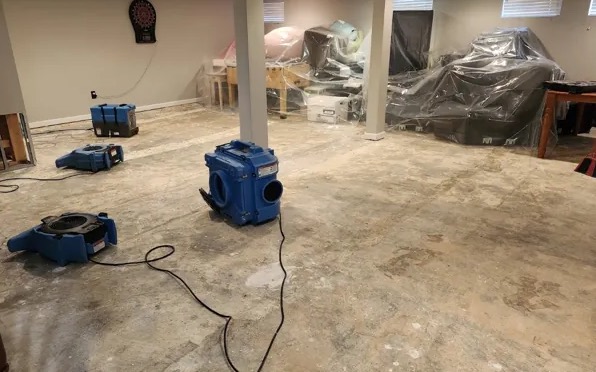
Local Desiccant Dehumidification Services for Fall River
Desiccant Dehumidification in Fall River ends with dry readings and a record of the drying. Daily logs show humidity and material readings from the first visit to the last.
Homes, job sites and commercial buildings in Fall River and nearby Taunton, Norton and North Attleborough sometimes need more drying power than standard equipment provides. Help with desiccant dehumidification covers those cases.
Comprehensive Desiccant Dehumidification for Fall River
Firefighting Water Drying
After a fire, water used by firefighters soaks walls, floors and ceilings. Desiccant drying helps dry those materials once debris is cleared.
Flood Drying Services
Floodwater is treated as contaminated, so soaked porous materials are removed and surfaces cleaned before drying starts.
Water Damage Dehumidification
After a leak or flood, dehumidifiers remove moisture from the air so wet drywall, wood and carpet can dry out.
Construction Drying Services
New construction can trap moisture in concrete, drywall mud and framing. Desiccant units help dry the building before finishes go in.
Crawl Space Drying
Readings on the wood framing are taken at each visit until they return to normal levels.
Indicators for Desiccant Dehumidification in Your Fall River Home
Visible Condensation on Windows
Windows that fog or drip inside show the air holds too much moisture for materials to dry.
Peeling Paint or Wallpaper
Paint or wallpaper that peels after a leak has moisture behind it that has not dried.
Efflorescence on Masonry Surfaces
White, powdery deposits on masonry show water moving through concrete or block.
Warped Wood Floors or Trim
Wood floors or trim that cup or warp after a leak are still taking on moisture.
How Desiccant Dehumidification Works in Fall River
Step 1: Emergency Moisture Evaluation
The wet area is mapped and the right size and type of dehumidifier is chosen.
Step 2: High-Capacity Setup
Large desiccant units are placed for big spaces or cool areas where standard units struggle.
Step 3: Active Drying Cycle
Dry air is moved across wet materials, with daily readings to track progress.
Step 4: Completion and Insurance Records
Final readings and daily drying logs are compiled into a record for your insurer.
Sources of Moisture Requiring Desiccant Dehumidification in Fall River
Groundwater Rise After Heavy Rains
Groundwater rising after long rains keeps crawl spaces and lower levels damp.
Severe Weather and Storm Flooding
Storms and flooding soak lower levels and leave large volumes of wet material.
Fire Suppression System Activation
Fire sprinklers and firefighting water soak large areas of a building at once.
HVAC System Condensation Issues
Clogged AC drain lines overflow into attics, closets and the ceilings below them.
Desiccant Dehumidification for All Property Types in Fall River
Residential Desiccant Dehumidification
Homeowners with damp basements may need desiccant drying after a flood because cool concrete and air slow standard units.
Commercial Desiccant Dehumidification
Warehouses with large slabs and stock need humidity kept low during drying to protect inventory and dry the concrete.
The Limits of DIY Desiccant Dehumidification in Fall River
You can run your own dehumidifier and keep the wet room closed. Drying soaked materials in a crawl space or cool lower level usually needs commercial equipment.
Factors in Desiccant Dehumidification Pricing for Fall River
Large commercial buildings and construction sites in Fall River may need high-capacity units and ducting, which affects the total.
Additional Restoration Steps
Extraction, material removal and cleaning before drying are separate steps that add to the total.
Affected Area Size
Larger affected areas need more drying units and more air movers running at once.
Moisture Saturation Level
Materials that are fully soaked take longer to dry than lightly damp ones.
Does Insurance Cover Desiccant Dehumidification?
Photograph wet areas before drying begins and keep receipts for emergency extraction, drying equipment and any hotel stay during the work.
Benefits of Local Pros for Desiccant Dehumidification in Fall River
Post-Flood Drying
Floodwater cleanup is followed by drying that continues until readings are normal.
Large Projects
Large buildings and job sites get drying plans that keep work and business moving.
Desiccant Equipment
Desiccant units are used where they fit, such as cool spaces, crawl spaces and large buildings.
Round-the-Clock Desiccant Dehumidification in Fall River, MA
The sooner drying starts, the fewer materials need replacing. Call (508) 219-6294 for desiccant dehumidification in Fall River right after a leak or flood.
Call Now (508) 219-6294Desiccant Dehumidification Coverage for Fall River and Beyond
Each place listed below has its own page with local details.
- Desiccant Dehumidification in Taunton
- Desiccant Dehumidification in Norton
- Desiccant Dehumidification in North Attleborough
- Desiccant Dehumidification in Easton
- Desiccant Dehumidification in Plainville
- Desiccant Dehumidification in Mansfield
- Desiccant Dehumidification in Foxborough
- Desiccant Dehumidification in Wrentham
- Emergency Damage Restoration in 02720
- Storm Damage Restoration in 02720
- Water Damage Restoration in 02720
- Water Extraction Service in 02720
- Water Leak Detection in 02720
- Water Removal Service in 02720
- Emergency Damage Restoration in 02721
- Storm Damage Restoration in 02721
Frequently Asked Questions About Desiccant Dehumidification
What happens after desiccant dehumidification is complete?
Final readings are recorded, equipment is removed and the space is ready for repairs or finishes.
How are moisture levels monitored during drying?
With hygrometers for air and moisture meters for drywall, wood and concrete, checked every day.
How long does crawl space drying typically take?
Often several days, depending on how wet the framing is and how cool and damp the space stays.
Can desiccant dehumidification help prevent mold?
Yes. Lowering humidity and drying materials quickly is one of the main ways to keep mold from starting.
What areas can benefit from moisture control services?
Crawl spaces, lower levels, attics, large commercial spaces and any room where materials got wet.