Amherst, MA · Hampshire County
Desiccant Dehumidification in Amherst, MACrawl Space Drying & Mold Prevention Drying
Desiccant Dehumidification in Amherst covers flood drying services, crawl space drying and emergency dehumidification.
Answered 24/7
Local Desiccant Dehumidification Services for Amherst
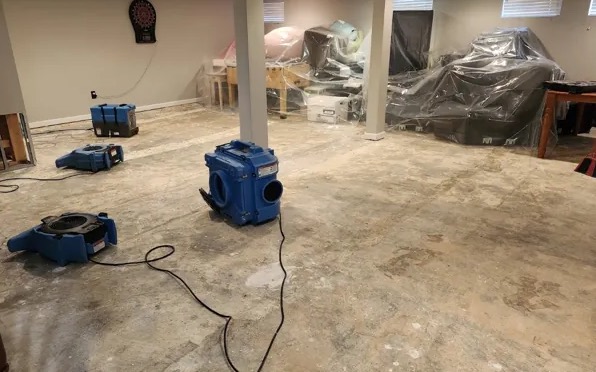
After water damage in Amherst, dry air pulls moisture out of wet materials. The drier the air, the faster walls, floors and framing give up their water.
In Amherst, Hadley, Northampton and Granby, builders sometimes need slabs and drywall dried before flooring goes in. The pros lower humidity on the job site to speed that up.
Desiccant Dehumidification Methods Used in Amherst
Crawl Space Drying
Readings on the wood framing are taken at each visit until they return to normal levels.
Mold Prevention Drying
In contained work areas, desiccant dehumidifiers keep the air dry while damaged materials are removed and framing is cleaned.
Water Damage Dehumidification
After a leak or flood, dehumidifiers remove moisture from the air so wet drywall, wood and carpet can dry out.
Emergency Dehumidification
Equipment is sized to the space on the first visit and adjusted each day based on readings.
Flood Drying Services
After floodwater is pumped out, desiccant dehumidifiers can bring the air to very low humidity, which pulls moisture out of walls, floors and framing faster.
Red Flags for Desiccant Dehumidification in Amherst Properties
High Humidity Readings on Meter
A hygrometer that keeps reading high humidity days after a leak shows the space is not drying.
Recent Water Damage Event
Any recent leak or flood that soaked drywall, flooring or framing needs drying beyond a household unit.
Visible Condensation on Windows
Windows that fog or drip inside show the air holds too much moisture for materials to dry.
Active Mold Spots
Dark spots appearing on walls or ceilings mean materials stayed damp long enough for mold.
How Desiccant Dehumidification Works in Amherst
Step 1: Moisture Mapping
Readings across walls, floors and framing show exactly where moisture remains in the building.
Step 2: Equipment Placement
Dehumidifiers and air movers are placed where the moisture readings are highest.
Step 3: Continuous Moisture Extraction
Drying runs until the wettest areas match the rest of the building.
Step 4: Confirmation and Reporting
A report shows the starting and final moisture readings for each area that was dried.
What Leads to Humidity Damage Needing Desiccant Dehumidification in Amherst
Poor Ventilation in Enclosed Areas
Closed, poorly ventilated spaces trap moisture and dry very slowly after water damage.
Appliance Malfunctions and Overflows
Washers, dishwashers and water heaters that leak leave wet floors, cabinets and walls.
Foundation Cracks and Seepage
Foundation cracks let groundwater seep into lower levels, keeping walls and floors damp.
Fire Suppression System Activation
Fire sprinklers and firefighting water soak large areas of a building at once.
Residential and Commercial Desiccant Dehumidification in Amherst
Residential Desiccant Dehumidification
Homeowners with damp basements may need desiccant drying after a flood because cool concrete and air slow standard units.
Commercial Desiccant Dehumidification
Warehouses with large slabs and stock need humidity kept low during drying to protect inventory and dry the concrete.
Desiccant Dehumidification vs. DIY: When to Call the Pros
Opening windows only helps on dry, breezy days. Commercial dehumidifiers keep drying no matter what the weather outside is doing, which makes them more reliable.
Factors in Desiccant Dehumidification Pricing for Amherst
Repairs after drying are a separate cost. In Amherst, fully dried materials often mean fewer repairs are needed.
Duration of Equipment Use
Drying usually takes several days, and each day of equipment use adds to the total.
Affected Area Size
Larger affected areas need more drying units and more air movers running at once.
Additional Restoration Steps
Extraction, material removal and cleaning before drying are separate steps that add to the total.
Does Insurance Cover Desiccant Dehumidification?
Coverage for desiccant dehumidification depends on the cause of the water and your policy. The pros document the drying, and your insurer decides what is covered.
The Value of Local Pros for Desiccant Dehumidification in Amherst
Post-Flood Drying
Floodwater cleanup is followed by drying that continues until readings are normal.
Targeted Drying
Equipment is placed for the specific materials and spaces that are wet.
Damage Assessment
The full affected area is checked, including rooms next to and below the source.
Round-the-Clock Desiccant Dehumidification in Amherst, MA
Crawl space or lower level wet after a storm? Call (508) 219-6294 now for desiccant dehumidification in Amherst before the framing stays damp.
Call Now (508) 219-6294Locations for Desiccant Dehumidification Around Amherst
Need desiccant dehumidification outside Amherst? Service also covers Hadley, Northampton and Granby, including emergency drying after hours.
- Desiccant Dehumidification in Hadley
- Desiccant Dehumidification in Northampton
- Desiccant Dehumidification in Granby
- Desiccant Dehumidification in South Hadley
- Desiccant Dehumidification in Belchertown
- Desiccant Dehumidification in Easthampton
- Desiccant Dehumidification in Holyoke
- Desiccant Dehumidification in Ludlow
- Emergency Damage Restoration in 01002
- Storm Damage Restoration in 01002
- Water Damage Restoration in 01002
- Water Extraction Service in 01002
- Water Leak Detection in 01002
- Water Removal Service in 01002
- Emergency Damage Restoration in 01003
- Storm Damage Restoration in 01003
Desiccant Dehumidification FAQs
Can desiccant dehumidification help prevent mold?
Yes. Lowering humidity and drying materials quickly is one of the main ways to keep mold from starting.
How do rapid drying methods protect my property?
They dry materials before they swell, warp or grow microbes, which keeps repairs smaller.
What equipment is used for commercial building drying?
High-capacity desiccant or refrigerant dehumidifiers, air movers, moisture meters and sometimes ducting to direct dry air.
Why use desiccant drying after a fire?
Firefighting water soaks large areas, and high-capacity drying helps remove that moisture once debris is cleared.
When is desiccant dehumidification a better choice than refrigerant units?
In cool spaces, very large areas or when very low humidity is needed to dry dense materials.