Peabody, MA · Essex County
Basement Water Removal in Peabody, MABasement Dehumidification & Basement Moisture Inspection
After a burst pipe or storm, Basement Water Removal in Peabody means basement water pump out, basement wall drying and basement drying services.
Answered 24/7
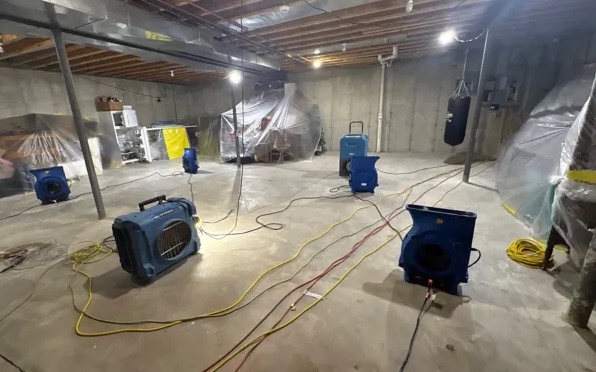
Reliable Basement Water Removal Near Peabody, Massachusetts
Basement Water Removal in Peabody starts with safety. Water near the furnace, water heater or electrical panel can be dangerous, so power is made safe before anyone steps into it.
In Peabody, when a basement or below-grade room takes on water, it usually follows heavy rain, a sewer backup or a burst pipe. Local water extraction experts serve Peabody, Medford, Somerville and Brookline, pumping water out and drying the space.
Professional Basement Water Removal Offerings
Basement Dehumidification
Dehumidifiers run continuously during drying, and their output is checked to track how much water is still coming out of the materials.
Basement Moisture Inspection
An inspection shows how high water wicked up the walls and how far it spread under flooring, which sets the drying plan.
Sump Pump Failure Water Cleanup
A backup pump or battery system is worth discussing with a plumber after the cleanup, since sump failures often repeat in storms.
Basement Floor Water Damage
Flooring that buckled or swelled is removed. Tile and sealed concrete can often be cleaned and dried in place.
Emergency Basement Flooding
Emergency response starts with making power safe, stopping the source if possible and pumping out the water.
Indicators You Need Professional Water Removal
Efflorescence on Concrete Walls
White, powdery deposits on concrete walls mean water is passing through the masonry.
Standing Water in Basement
Standing water anywhere on the basement floor needs to be pumped out before it soaks the walls.
Wet or Damp Basement Walls
Basement walls that look dark, feel damp or show tide lines are taking on or holding water.
Musty Odors and Mold Smell
A musty or damp smell in the basement points to wet materials hidden somewhere in the space.
How Basement Water Removal Works in Peabody
Step 1: Safety Assessment and Pump Out
Electrical hazards are checked, then deep water is pumped outside away from the foundation.
Step 2: Content Removal and Damage Documentation
Wet belongings are moved, and photos record the water level and damaged materials.
Step 3: Targeted Water Removal and Drying
Carpet is extracted, wet drywall is cut back and air is aimed at walls and the slab.
Step 4: Sanitization and Moisture Control
Surfaces touched by dirty water are disinfected, and dehumidifiers keep humidity low.
Sources of Basement Water Problems
Sump Pump Malfunction or Power Loss
A sump pump that fails mechanically or loses power during a storm lets groundwater rise.
Sewer Line Backups and Blockages
A blocked sewer line can push wastewater up through basement floor drains and toilets.
Clogged or Damaged Gutters
Clogged gutters and short downspouts dump roof water right next to the foundation.
High Water Table and Hydrostatic Pressure
A high water table presses groundwater against the slab and walls, forcing it inside.
Both Residential & Commercial Basement Water Removal
Residential Basement Water Removal
Families should keep children and pets away from basement water until power is safe and the type of water is known.
Commercial Basement Water Removal
In restaurants and shops, basement water near food or stock storage needs removal and cleaning before those areas are used again.
Professional Basement Water Removal Versus Do-It-Yourself
Fans by themselves can spread damp basement air through the rest of the house. Basement drying needs dehumidifiers that pull moisture out of both the air and the concrete.
Factors Affecting Basement Water Removal Cost
In Peabody, the drying phase usually costs more than the pumping, because basements need equipment running for several days.
Additional Services
Antimicrobial treatment, contents cleaning and repairs after drying add to the cost.
Contamination Level
Sewage or dirty water needs protective gear, removal and disinfection, which costs more.
Drying Time Required
Basements dry slowly, and each extra day of equipment adds to the total.
Does Insurance Cover Basement Water Removal?
Coverage for basement water removal depends on the water source and your policy. The pros document the damage and drying, and your insurer decides what is covered.
Why Peabody Homeowners Trust Local Pros for Basement Water Removal
24/7 Emergency Response
Help is available day or night when water is rising in the basement.
Contamination Safety Protocols
Sewage and dirty water are handled with protective gear, containment and disinfection.
Methodical Water Removal Process
Water is removed in a set order: pump-out, extraction, removal of soaked materials, then drying.
24/7 Basement Water Removal When You Need It
If water is near outlets, the furnace or the electrical panel, stay out of it. Call (508) 219-6294 for help in Peabody and wait for power to be made safe.
Call Now (508) 219-6294Basement Water Removal Serving Peabody and Surroundings
Other places served are listed below, each with its own page.
- Basement Water Removal in Medford
- Basement Water Removal in Somerville
- Basement Water Removal in Brookline
- Basement Water Removal in Waltham
- Basement Water Removal in Newton
- Basement Water Removal in Lowell
- Basement Water Removal in Weymouth
- Basement Water Removal in Needham
- Emergency Damage Restoration in 01960
- Storm Damage Restoration in 01960
- Water Damage Restoration in 01960
- Water Extraction Service in 01960
- Water Leak Detection in 01960
- Water Removal Service in 01960
- Emergency Damage Restoration in 01961
- Storm Damage Restoration in 01961
Basement Water Removal FAQs
What is involved in basement water removal?
Making power safe, pumping out standing water, extracting floors and carpet, removing soaked materials and dehumidifying until dry.
What is emergency basement flooding response?
Help any hour to make power safe, stop the source, pump out water and start drying before more damage sets in.
What equipment is used for basement water extraction?
Submersible pumps, extractors, wet vacs, air movers, large dehumidifiers and moisture meters to confirm drying.
Is a sump pump failure an emergency?
Yes, especially during rain. Groundwater can rise quickly once the pump stops, flooding the floor and finished rooms.
What is the difference between a pump out and extraction?
A pump out removes deep standing water. Extraction pulls the remaining water from carpet, pad and floors.