Natick, MA · Middlesex County
Basement Water Removal in Natick, MAEmergency Basement Flooding & Basement Wall Drying
Basement Water Removal in Natick runs from basement water pump out and basement drying services to basement dehumidification.
Answered 24/7
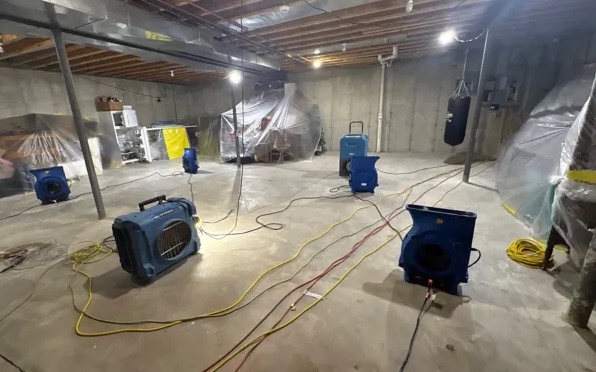
Basement Water Removal Solutions for Natick Homeowners
A basement that looks dry a day after a flood in Natick can still hold a lot of water in the slab, the bottom of the walls and under flooring. That hidden water causes the musty smell many basements have.
A finished basement or lower level in Natick or Wellesley, Framingham and Needham can hide water under flooring and behind drywall. The pros find and remove it before it causes lasting damage.
Professional Basement Water Removal Offerings
Emergency Basement Flooding
Help is available any hour when water is rising in the basement from a storm, a sewer backup or a burst pipe.
Basement Wall Drying
Basement walls are checked with moisture meters. Wet drywall is cut back above the water line, and insulation behind it is removed.
Basement Floor Water Damage
Concrete floors are squeegeed, extracted and dried with airflow and dehumidifiers until moisture readings drop.
Basement Drying Services
Equipment stays until the basement reads dry, not just until it looks dry. Removing it early lets dampness return.
Basement Dehumidification
Large dehumidifiers pull moisture from basement air, which lets walls, framing and the slab release the water they absorbed.
Warning Signs You Need Basement Water Removal
High Humidity and Condensation
Water on pipes and windows, or a constantly clammy feel, means basement humidity is too high.
Soggy or Wet Carpeting
Carpet that feels damp or smells sour is holding water in the pad against the concrete.
Standing Water in Basement
Standing water anywhere on the basement floor needs to be pumped out before it soaks the walls.
Mold or Mildew
Dark spots on drywall, framing or stored items mean the area has stayed wet for days.
How Basement Water Removal Works in Natick
Step 1: First Call and Initial Assessment
The source, the type of water and the depth are checked, and the water level is photographed.
Step 2: Bulk Water and Contaminant Removal
Pumps remove standing water, and carpet, pad or drywall touched by dirty water is removed.
Step 3: Drying With Monitoring
Dehumidifiers and air movers run around the clock, with readings logged every day on walls and slab.
Step 4: Post-Drying Evaluation and Documentation
Final readings and photos are compiled to show the basement is dry and what was removed.
Common Causes of Basement Flooding in Natick
Sump Pump Malfunction or Power Loss
A sump pump that fails mechanically or loses power during a storm lets groundwater rise.
Plumbing Leaks or Pipe Bursts
Supply lines, drain pipes and water heaters in the basement can leak or burst onto the floor.
Improper Landscape Grading
Soil that slopes toward the house directs rainwater straight to the basement walls.
Sewer Line Backups and Blockages
A blocked sewer line can push wastewater up through basement floor drains and toilets.
Both Residential & Commercial Basement Water Removal
Residential Basement Water Removal
Families should keep children and pets away from basement water until power is safe and the type of water is known.
Commercial Basement Water Removal
In restaurants and shops, basement water near food or stock storage needs removal and cleaning before those areas are used again.
When to Hire Local Pros for Basement Water Removal
Checking appliance hoses and extending downspouts away from the house are good DIY steps before storm season. Once the basement floods, call (508) 219-6294 for help.
Factors Affecting Basement Water Removal Cost
In Natick, the drying phase usually costs more than the pumping, because basements need equipment running for several days.
Affected Materials
Finished walls, carpet and laminate take more removal work than bare concrete.
Contamination Level
Sewage or dirty water needs protective gear, removal and disinfection, which costs more.
Additional Services
Antimicrobial treatment, contents cleaning and repairs after drying add to the cost.
Does Insurance Cover Basement Water Removal?
Coverage for basement water removal depends on the water source and your policy. The pros document the damage and drying, and your insurer decides what is covered.
The Value of Professional Basement Water Removal
Post-Service Moisture Verification
Final readings are recorded before equipment leaves, so you know the basement is dry.
Moisture Inspection
Meters and thermal cameras find water in walls, floors and slab that looks dry.
Clear Communication
You get plain updates on what was found, what was removed and how drying is going.
Emergency Basement Water Removal Available 24/7
Water still rising in the basement? Call (508) 219-6294 now for basement water removal in Natick before the water reaches finished rooms and stored belongings.
Call Now (508) 219-6294Basement Water Removal Near Natick: Areas Served
Nearby areas served for basement water removal include Wellesley, Framingham and Needham, with the same pumping and drying steps used in Natick.
- Basement Water Removal in Wellesley
- Basement Water Removal in Framingham
- Basement Water Removal in Needham
- Basement Water Removal in Medfield
- Basement Water Removal in Westwood
- Basement Water Removal in Millis
- Basement Water Removal in Waltham
- Basement Water Removal in Southborough
- Emergency Damage Restoration in 01760
- Storm Damage Restoration in 01760
- Water Damage Restoration in 01760
- Water Extraction Service in 01760
- Water Leak Detection in 01760
- Water Removal Service in 01760
Frequently Asked Basement Water Removal Questions
How long does basement drying take?
Often several days or longer, because concrete and cool basement air hold moisture. Daily readings show when it is done.
What is the difference between a pump out and extraction?
A pump out removes deep standing water. Extraction pulls the remaining water from carpet, pad and floors.
How does a basement moisture inspection work?
Moisture meters and thermal cameras check walls, floors and the slab, including behind finished walls and under flooring.
Does basement flood cleanup include mold prevention?
Fast drying is the main prevention. Wood and concrete that stayed wet can be treated with an antimicrobial once dry.
How is contaminated water handled in a basement?
With protective gear, containment, removal of porous materials and disinfection of hard surfaces before drying.