Ware, MA · Hampshire County
Basement Water Damage Restoration in Ware, MABasement Drying Services & Basement Mold Prevention
Basement Water Damage Restoration in Ware runs from basement water extraction and basement floor water removal to basement dehumidification.
Answered 24/7
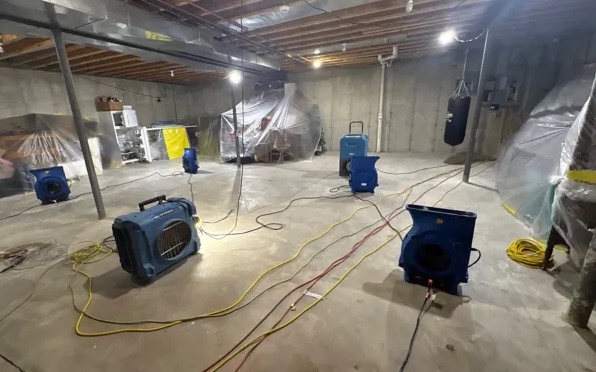
Basement Water Damage Restoration Solutions in Ware, Massachusetts
Basement Water Damage Restoration in Ware covers finished and unfinished basements. A bare concrete basement can often be pumped and dried. A finished one usually needs carpet, pad and lower drywall removed so the walls and slab can dry.
Homes in Ware and nearby Warren, Belchertown and Palmer with basements deal with seepage, plumbing leaks and sewer backups. Help with basement water damage restoration covers pumping, removal of wet materials and drying of walls and concrete.
The Basement Water Damage Restoration Process in Ware
Basement Drying Services
Equipment is adjusted each day based on moisture readings until every material reaches its normal level.
Basement Mold Prevention
After drying, an antimicrobial can be applied to framing and concrete that were wet, to slow mold on surfaces that stay in place.
Basement Floor Water Removal
Water on a concrete floor is squeegeed and extracted, and floor coverings such as carpet, vinyl or laminate are lifted to dry the slab.
Basement Wall Drying
Concrete and block walls are dried with directed airflow and dehumidifiers, and checked with meters until readings drop.
Basement Water Extraction
Basement water is removed before drying starts, because every gallon left behind keeps the walls and air damp.
Indicators for Basement Water Damage Restoration in Ware
Mold on Surfaces
Dark spots on drywall, framing or stored boxes mean the area has stayed wet for days.
Condensation on Windows or Pipes
Water beading on cold pipes or basement windows shows high humidity that keeps materials damp.
Peeling Paint or Wallpaper
Paint that peels or blisters on basement walls often has moisture behind it.
Efflorescence on Concrete Walls
White, chalky deposits on concrete walls mean water is moving through the concrete and leaving minerals behind.
How Basement Water Damage Restoration Works in Ware
Step 1: Initial Assessment and Water Removal
The source and type of water are identified, and standing water is removed right away.
Step 2: Focused Drying of Materials
Walls, framing and the slab are dried with directed airflow, with wet insulation removed.
Step 3: Air Quality Management
Air scrubbers filter dust and odors from removal work while drying continues.
Step 4: Documentation for Restoration
Photos, readings and a list of removed materials are prepared for insurance and rebuilding.
Typical Sources of Basement Water Damage in Ware
Failed or Clogged Drain Tile
Clogged or collapsed drain tile around the foundation lets water build up against the walls.
Overland Flooding From Storms
Heavy storms and snowmelt can send surface water into basements through doors and walls.
Plumbing Pipe Bursts or Leaks
Supply lines and drain pipes in basement ceilings can crack or burst onto the floor below.
HVAC Condensate Line Overflow
A clogged furnace or air conditioner condensate line can overflow onto the floor of a basement or lower-level utility room.
Residential and Commercial Basement Water Damage Restoration in Ware
Residential Basement Water Damage Restoration
Finished basements used as living space need carpet, pad and lower drywall checked carefully. Soaked materials are removed so the walls and slab can dry.
Commercial Basement Water Damage Restoration
Businesses with below-grade storage need inventory moved out of the water quickly. Wet stock is separated and documented for insurance.
Basement Water Damage Restoration vs. DIY: When to Call the Pros
Fans alone can push damp air into the rest of the house. Basement drying needs dehumidifiers to pull the moisture out of the air and the concrete.
Understanding Basement Water Damage Restoration Pricing in Ware
Before pricing basement water damage restoration in Ware, the pros check the water depth, the type of water and what the basement is finished with.
Drying Time Required
Basements dry slowly, and longer drying means more equipment days and monitoring visits.
Material Saturation
Finished basements with carpet, drywall and insulation take more removal work than bare concrete.
Affected Square Footage
Larger basements need more extraction, more drying equipment and more days of drying time.
Does Insurance Cover Basement Water Damage Restoration?
Coverage for basement water damage restoration depends on where the water came from and your policy terms. The pros document the damage, and your insurer decides what is covered.
Advantages of Hiring Local Pros in Ware for Basement Water Damage Restoration
Containment Strategies
Plastic sheeting keeps contaminated areas separate from clean parts of the house.
Industrial-Grade Equipment
Pumps, extractors and large dehumidifiers remove water much faster than household wet vacs and fans.
Industry Drying Standards
Drying follows industry water damage standards, with readings taken at every visit.
Ware Emergency Basement Water Damage Restoration Response
Storm night, weekend or holiday, local water removal pros handle flooded basements in Ware. Call (508) 219-6294 to get the pumps running and the water out.
Call Now (508) 219-6294Regions Served for Basement Water Damage Restoration Near Ware
Besides Ware, local water removal pros handle basement pumping, drying and dehumidification in nearby Warren, Belchertown and Palmer.
- Basement Water Damage Restoration in Warren
- Basement Water Damage Restoration in Belchertown
- Basement Water Damage Restoration in Palmer
- Basement Water Damage Restoration in Monson
- Basement Water Damage Restoration in Spencer
- Basement Water Damage Restoration in Ludlow
- Basement Water Damage Restoration in Barre
- Basement Water Damage Restoration in Granby
- Emergency Damage Restoration in 01082
- Storm Damage Restoration in 01082
- Water Damage Restoration in 01082
- Water Extraction Service in 01082
- Water Leak Detection in 01082
- Water Removal Service in 01082
FAQ for Basement Water Damage Restoration in Ware
What are signs of hidden moisture after below-grade water extraction?
Musty smells, tide lines on walls, damp carpet edges and moisture readings that stay high in walls or the slab.
How long does below-grade drying take after a flood?
Often several days or longer, since concrete and cool basement air dry slowly. Daily readings show progress.
Can wet basement drywall be saved after water damage?
Sometimes, if the water was clean and removed quickly. Soaked or sewage-contaminated drywall is cut out above the water line.
What causes the most common below-grade leaks in homes?
Sump pump failures, foundation cracks, clogged drain tile, sewer backups and burst pipes in the basement ceiling.
What does below-grade moisture removal include beyond pumping?
Extracting carpet and pad, opening wet walls, running air movers and dehumidifiers, and checking readings until dry.