Norfolk, MA · Norfolk County
Basement Water Damage Restoration in Norfolk, MABasement Water Extraction & Basement Drying Services
Basement Water Damage Restoration in Norfolk runs from basement water extraction and basement floor water removal to basement dehumidification.
Answered 24/7
Expert Basement Water Damage Restoration Serving Norfolk
In Norfolk, a damp, musty basement or lower room often means water damage that was never fully dried. Old leaks can leave moisture in walls and under flooring long after the water is gone.
A finished basement or lower level in Norfolk or Wrentham, Millis and Medway can hide old moisture behind drywall and flooring. The pros find the water and dry the space before more damage sets in.
The Basement Water Damage Restoration Process in Norfolk
Basement Water Extraction
Submersible pumps remove deep standing water, then portable extractors pull water from carpet, pad and the concrete floor.
Basement Drying Services
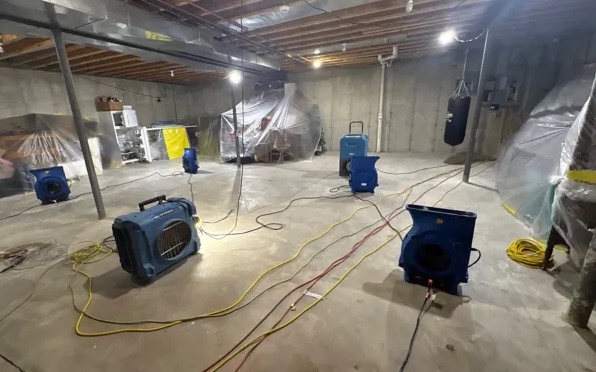
Air movers and dehumidifiers are placed to dry walls, framing and the slab. Below-grade rooms dry slowly, so readings are taken daily.
Basement Floor Water Removal
Water on a concrete floor is squeegeed and extracted, and floor coverings such as carpet, vinyl or laminate are lifted to dry the slab.
Basement Mold Prevention
Keeping basement humidity low after drying helps prevent mold from returning, especially in finished spaces.
Basement Sewer Backup Cleanup
After a sewer backup, cleanup and disinfection come before drying, so contaminated surfaces are not left in place.
When to Consider Basement Water Damage Restoration for Your Norfolk Home
Standing Water in the Basement
Any standing water on the basement floor needs pumping right away, before it soaks walls and framing.
Rusted Appliances or Pipes
Rust on the water heater, furnace base or pipes points to repeated moisture or past flooding.
Sump Pump Failure or Overflow
A sump pump that runs constantly, fails to start or lets the pit overflow puts the basement at risk.
Wet or Stained Basement Walls
Dark, wet patches or tide lines on basement walls show where water seeped in or wicked up.
How Basement Water Damage Restoration Works in Norfolk
Step 1: Initial Assessment and Water Removal
The source and type of water are identified, and standing water is removed right away.
Step 2: Focused Drying of Materials
Walls, framing and the slab are dried with directed airflow, with wet insulation removed.
Step 3: Air Quality Management
Air scrubbers filter dust and odors from removal work while drying continues.
Step 4: Documentation for Restoration
Photos, readings and a list of removed materials are prepared for insurance and rebuilding.
Why Basement Water Damage Occurs in Norfolk
High Water Table and Hydrostatic Pressure
A high water table pushes groundwater up through the slab and into the joints between wall and floor.
Window Well Flooding
Window wells without drains or covers fill with rain and leak through basement windows.
Failed or Clogged Drain Tile
Clogged or collapsed drain tile around the foundation lets water build up against the walls.
HVAC Condensate Line Overflow
A clogged furnace or air conditioner condensate line can overflow onto the floor of a basement or lower-level utility room.
Basement Water Damage Restoration for All Properties in Norfolk
Residential Basement Water Damage Restoration
In homes, a flooded basement often means damaged carpet, drywall, a furnace or water heater and stored belongings. Water is pumped out, contents are moved and the space is dried.
Commercial Basement Water Damage Restoration
In commercial buildings, basements hold mechanical rooms, storage and sometimes offices. Water is removed and equipment areas are dried so systems can be checked and restarted.
Professional Basement Water Damage Restoration or DIY in Norfolk?
If a small leak left a puddle on bare concrete, a wet vac and a dehumidifier may be enough. Call local restoration pros if water reached drywall, carpet or framing, or if it came from a sewer drain.
Factors Affecting Basement Water Damage Restoration Cost in Norfolk
The cost of basement water damage restoration in Norfolk depends on how much water there is, whether it is clean or sewage and how much finished material must be removed.
Access Complexity
Narrow stairs, low ceilings and stored contents can make the work slower.
Secondary Damage
Damage to furnaces, water heaters and belongings adds repair and replacement costs.
Emergency Service
Night, weekend and storm calls can cost more than a scheduled visit.
Does Insurance Cover Basement Water Damage Restoration?
Photograph the water level, damaged belongings and appliances before cleanup starts, and keep receipts for emergency pumping and drying to send to your insurer.
The Value of Local Pros for Basement Water Damage Restoration in Norfolk
Water Type Handling
Clean water, gray water and sewage are each handled with the right protection and removal steps.
Industrial-Grade Equipment
Pumps, extractors and large dehumidifiers remove water much faster than household wet vacs and fans.
24/7 Emergency Response
Help is available day or night when water is rising in the basement.
Emergency Basement Water Damage Restoration Available in Norfolk
Water rising in your basement in Norfolk? Shut off power to the basement if it is safe, move what you can and call (508) 219-6294. Help is available 24/7.
Call Now (508) 219-6294Regions Served for Basement Water Damage Restoration Near Norfolk
Basement water removal and drying also cover homes and buildings in Wrentham, Millis and Medway, close to Norfolk, day or night.
- Basement Water Damage Restoration in Wrentham
- Basement Water Damage Restoration in Millis
- Basement Water Damage Restoration in Medway
- Basement Water Damage Restoration in Walpole
- Basement Water Damage Restoration in Franklin
- Basement Water Damage Restoration in Medfield
- Basement Water Damage Restoration in Foxborough
- Basement Water Damage Restoration in Plainville
- Emergency Damage Restoration in 02056
- Storm Damage Restoration in 02056
- Water Damage Restoration in 02056
- Water Extraction Service in 02056
- Water Leak Detection in 02056
- Water Removal Service in 02056
FAQ for Basement Water Damage Restoration in Norfolk
What is involved in basement water damage restoration?
Pumping out water, removing soaked materials, cleaning contaminated areas, drying walls, framing and concrete, and dehumidifying until readings are normal.
Should I try below-grade waterproofing myself after flooding?
Sealing a small crack can be a DIY job, but drying must come first, and larger waterproofing work should go to a contractor.
What is the priority during emergency basement flood cleanup?
Safety first, especially electrical hazards, then stopping the source and pumping out the water as quickly as possible.
What are signs of hidden moisture after below-grade water extraction?
Musty smells, tide lines on walls, damp carpet edges and moisture readings that stay high in walls or the slab.
How is basement restoration documented for insurance?
With photos of the water level and damage, moisture readings, a list of removed materials and daily drying logs.