East Longmeadow, MA · Hampden County
Basement Water Damage Restoration in East Longmeadow, MABasement Wall Drying & Basement Drying Services
Get basement water damage restoration in East Longmeadow for basement floor water removal, basement mold prevention and basement drying services.
Answered 24/7
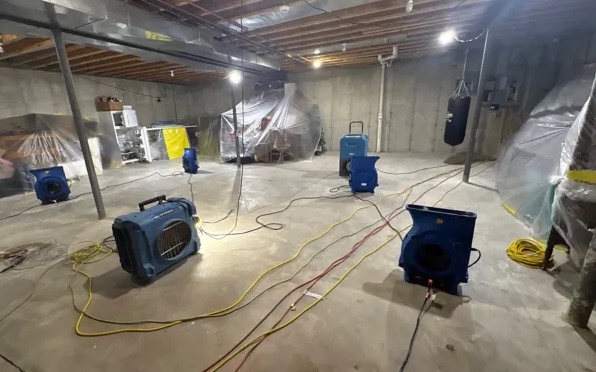
Basement Water Damage Restoration for East Longmeadow Homes
A basement dries slower than any other part of a house. The air is cool, there is little sunlight and the concrete holds moisture for a long time. In East Longmeadow, that makes extraction and steady dehumidification important.
Homeowners in East Longmeadow can call (508) 219-6294 day or night when water is rising in the basement. Service also covers Longmeadow, Agawam and Wilbraham, with the same pumping and drying steps.
Basement Water Damage Restoration Solutions Available in East Longmeadow
Basement Wall Drying
Finished basement walls hide wet insulation and framing. Removing the bottom of the drywall lets air reach the cavity.
Basement Drying Services
Drying a basement takes longer than drying an upper floor because the air is cool and the concrete holds moisture.
Basement Water Extraction
Submersible pumps remove deep standing water, then portable extractors pull water from carpet, pad and the concrete floor.
Emergency Basement Flood Cleanup
A flooded basement can damage furnaces, water heaters and stored items quickly. Fast pumping limits how much is lost.
Basement Floor Water Removal
Wet carpet pad is removed from basement floors, since it holds water against the concrete and dries poorly.
Warning Signs You Need Basement Water Damage Restoration
Condensation on Windows or Pipes
Water beading on cold pipes or basement windows shows high humidity that keeps materials damp.
Peeling Paint or Wallpaper
Paint that peels or blisters on basement walls often has moisture behind it.
Mold on Surfaces
Dark spots on drywall, framing or stored boxes mean the area has stayed wet for days.
High Humidity Levels Below-Grade
A basement that stays damp and clammy even on dry days has a moisture source that needs attention.
How Basement Water Damage Restoration Works in East Longmeadow
Step 1: Source Control and Extraction
The pipe is shut off, the sump restarted or the backup stopped, then the water is pumped out.
Step 2: Structural Drying Setup
Lower drywall is removed where soaked, and equipment is placed to dry wall cavities and the slab.
Step 3: Contaminant Removal
Materials touched by sewage or dirty water are removed and hard surfaces are cleaned and disinfected.
Step 4: Monitoring and Completion
Daily readings track drying until every material is normal, then equipment is removed.
Typical Sources of Basement Water Damage in East Longmeadow
Faulty Basement Waterproofing
Old or failed waterproofing on foundation walls lets water through during wet weather.
Stormwater Runoff Into Lower Levels
Heavy rain running off hard ground or a sloped yard can pour down stairwells and under doors into below-grade rooms.
High Water Table and Hydrostatic Pressure
A high water table pushes groundwater up through the slab and into the joints between wall and floor.
Clogged Floor Drains
A floor drain blocked by debris cannot carry off water from a leak or overflow, so it spreads across the basement floor.
Both Residential & Commercial Basement Water Damage Restoration in East Longmeadow
Residential Basement Water Damage Restoration
A sewer backup in a home basement needs contaminated carpet, pad and drywall removed and every hard surface disinfected before drying.
Commercial Basement Water Damage Restoration
In restaurants and stores with basements, sewage backups need fast containment so contamination does not reach food or customer areas.
DIY vs. Professional Basement Water Damage Restoration in East Longmeadow
If a small leak left a puddle on bare concrete, a wet vac and a dehumidifier may be enough. Call local water damage pros if water reached drywall, carpet or framing, or if it came from a sewer drain.
What Influences Basement Water Damage Restoration Cost in East Longmeadow
In East Longmeadow, basement jobs often run longer than upper-floor jobs because concrete dries slowly. Equipment days make up much of the bill.
Material Saturation
Finished basements with carpet, drywall and insulation take more removal work than bare concrete.
Dehumidification Needs
Large dehumidifiers may need to run longer in below-grade spaces than in upper floors.
Drying Time Required
Basements dry slowly, and longer drying means more equipment days and monitoring visits.
Does Insurance Cover Basement Water Damage Restoration?
Many homeowner policies cover sudden basement water from a burst pipe, but not seepage or groundwater. Sewer backup coverage is often a separate add-on, so check your policy.
Why Choose Local Pros for Basement Water Damage Restoration in East Longmeadow
Industrial-Grade Equipment
Pumps, extractors and large dehumidifiers remove water much faster than household wet vacs and fans.
Detailed Documentation
Photos, readings and drying logs are kept to support your insurance claim.
Water Extraction First
Water is removed from floors, carpet and pad before drying starts, which shortens drying time.
24/7 Emergency Basement Water Damage Restoration for East Longmeadow
Sewage coming up through a floor drain? Stop using water in the house and call (508) 219-6294 now for basement water damage restoration in East Longmeadow.
Call Now (508) 219-6294Basement Water Damage Restoration Available Throughout Hampden County
Help with basement water damage restoration is also available in communities near East Longmeadow, including Longmeadow, Agawam and Wilbraham, for flooded basements and sewer backups.
- Basement Water Damage Restoration in Longmeadow
- Basement Water Damage Restoration in Agawam
- Basement Water Damage Restoration in Wilbraham
- Basement Water Damage Restoration in West Springfield
- Basement Water Damage Restoration in Ludlow
- Basement Water Damage Restoration in Chicopee
- Basement Water Damage Restoration in Monson
- Basement Water Damage Restoration in Holyoke
- Emergency Damage Restoration in 01028
- Storm Damage Restoration in 01028
- Water Damage Restoration in 01028
- Water Extraction Service in 01028
- Water Leak Detection in 01028
- Water Removal Service in 01028
Basement Water Damage Restoration FAQs
What is the purpose of basement wall drying?
To remove water from drywall, insulation, framing and concrete so the walls can be repaired without trapping moisture.
How soon should I call for basement water extraction after a leak?
Right away. Water wicks up drywall and soaks framing within hours, and below-grade spaces are slow to dry.
How is basement restoration documented for insurance?
With photos of the water level and damage, moisture readings, a list of removed materials and daily drying logs.
What equipment is used for below-grade water damage repair?
Submersible pumps, extractors, air movers, large dehumidifiers, moisture meters and air scrubbers for dust and odor.
What are signs of hidden moisture after below-grade water extraction?
Musty smells, tide lines on walls, damp carpet edges and moisture readings that stay high in walls or the slab.