Lancaster, MA · Worcester County
Attic Water Removal in Lancaster, MAAttic Drying Services & Attic Leak Water Cleanup
Attic Water Removal in Lancaster runs from roof leak water removal and wet attic insulation removal to ceiling water damage cleanup.
Answered 24/7
Reliable Attic Water Removal Near Lancaster
In Lancaster, the most common attic water sources are roof leaks, attic AC units and plumbing that runs through the attic. Each one needs to be stopped before drying can work.
A heavy storm in Lancaster can push water into an attic overnight. Local attic water removal pros serve Lancaster and nearby Clinton, Sterling and Bolton, with help available around the clock.
The Attic Water Removal Process in Lancaster
Attic Drying Services
Equipment is adjusted daily, moving airflow from areas that are dry to areas that still read wet.
Attic Leak Water Cleanup
Cleanup focuses on the low spots where water collects: the bays between joists, the area around the hatch and the space under an air handler.
Attic Moisture Inspection
Moisture meters and thermal cameras check rafters, decking, insulation and the ceiling below, even in spots that look dry.
Roof Leak Water Removal
A temporary tarp over the damaged section keeps more rain out until the roofer can make a permanent repair.
Emergency Attic Water Extraction
Emergency extraction starts with buckets and containment under active drips, then moves to pulling pooled water off the attic floor.
Warning Signs You Need Attic Water Removal
Rotting Wood on Attic Beams
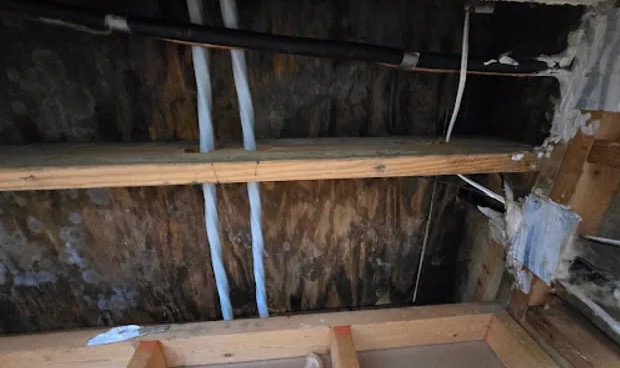
Soft, dark or crumbling wood on rafters and beams points to long-term moisture.
Water Dripping From Light Fixtures
Water dripping from a ceiling light or fan means an active leak above. Turn off that circuit.
Puddles or Standing Water in Attic
Pooled water on the attic floor or on top of drywall needs removal right away.
Wet or Damp Attic Insulation
Insulation that feels damp, looks dark or has packed down in one area has absorbed water.
How Attic Water Removal Works in Lancaster
Step 1: Attic Flood Cleanup Response
Active drips are contained with buckets and plastic, and the room below is protected.
Step 2: Targeted Attic Moisture Removal
Water is vacuumed from between joists and on top of drywall, starting where it is deepest.
Step 3: Attic Dehumidification
Dehumidifiers pull moisture from the attic air while air movers dry the wet framing.
Step 4: Documentation for Restoration
Photos and moisture readings are compiled to show what was removed and when the attic dried.
Frequent Sources of Attic Water Damage in Lancaster
Condensation From Poor Attic Ventilation
Moist air from the house condenses on roof decking when attic ventilation is poor.
Appliance Malfunctions Like Water Heater Leaks
Water heaters located in the attic can leak or fail, flooding the attic floor.
Clogged or Disconnected Gutters
Clogged or loose gutters let water back up under the roof edge and into the soffits.
Ice Dam Formation on Roof Edges
Ice dams at the roof edge force melting snow back under shingles and into the attic.
Attic Water Removal for All Property Types in Lancaster
Residential Attic Water Removal
Homeowners with stored items in the attic need those moved out first. Wet boxes are dried or discarded before the attic floor is cleaned and dried.
Commercial Attic Water Removal
Offices and stores need the space below protected while attic work is under way. Drying is planned around business hours where possible.
Professional Attic Water Removal Compared to DIY
If the ceiling is bulging, keep people out of the room and place a bucket nearby. Local attic water removal pros can drain and remove it in a controlled way.
Factors Influencing Attic Water Removal Cost
Roof or plumbing repair is billed separately from water removal and drying. In Lancaster, both are needed after most attic leaks.
Drying Time Required
Dense wood framing can take several days to dry, which adds equipment time.
Mold Prevention Measures
Antimicrobial treatment of wood that stayed wet is an added step, priced by area.
Access and Attic Complexity
Low headroom and small access hatches make attic work slower than open spaces.
Does Insurance Cover Attic Water Removal?
Insurers often ask what caused the leak and how long it ran. Notes on the entry point and roof condition help answer those questions.
Advantages of Hiring Local Pros for Attic Water Removal in Lancaster
Post-Cleanup Verification
Final readings confirm the attic is dry before new insulation goes in.
Source Identification
The pros trace the water to its source and note it for the roofer or plumber.
Dehumidification Equipment
Dehumidifiers sized for the attic remove moisture much faster than roof vents and open hatches alone.
24/7 Emergency Attic Water Removal in Lancaster
Water dripping through your ceiling in Lancaster? Put a bucket under it, move belongings and call (508) 219-6294. Attic water removal is available 24/7.
Call Now (508) 219-6294Communities Served for Attic Water Removal
Attic water removal and drying also cover homes and buildings in Clinton, Sterling and Bolton, close to Lancaster, day or night.
- Attic Water Removal in Clinton
- Attic Water Removal in Sterling
- Attic Water Removal in Bolton
- Attic Water Removal in Harvard
- Attic Water Removal in Boylston
- Attic Water Removal in Leominster
- Attic Water Removal in West Boylston
- Attic Water Removal in Northborough
- Emergency Damage Restoration in 01523
- Storm Damage Restoration in 01523
- Water Damage Restoration in 01523
- Water Extraction Service in 01523
- Water Leak Detection in 01523
- Water Removal Service in 01523
- Emergency Damage Restoration in 01561
- Storm Damage Restoration in 01561
Attic Water Removal FAQs
What happens during wet attic cleanup?
Water, wet insulation and debris are removed, stored items are moved out and the attic floor is cleaned before drying.
Is attic flood cleanup different from a small leak?
The steps are the same, but a flooded attic needs more extraction, more insulation removal and usually ceiling replacement.
How quickly should I deal with water in my attic?
Right away. Water on top of ceiling drywall soaks in and adds weight, and the ceiling can sag or fall within a day.
What causes attic water damage?
Roof leaks, plumbing failures, attic AC overflows, water heater leaks, loose bath fan ducts and poor ventilation.
Can I remove attic water myself?
Only small amounts that are easy to reach safely. Pooled water and soaked insulation need safe footing and drying equipment.