Auburn, MA · Worcester County
Attic Water Extraction in Auburn, MAWet Attic Insulation Removal & Ceiling Water Damage Cleanup
For a storm leak, Attic Water Extraction in Auburn means wet attic insulation removal, attic leak water cleanup and attic drying services.
Answered 24/7
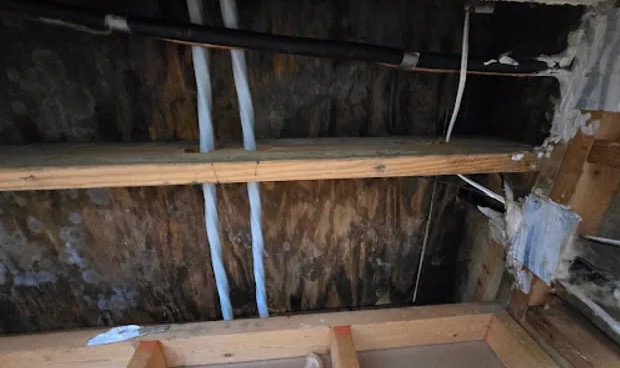
Attic Water Extraction Response in Auburn
Attic water is hard to reach. Joists are narrow, headroom is low and the ceiling drywall cannot hold a person's weight. In Auburn, extraction in an attic takes boards, lighting and careful footing.
Homeowners in Auburn can call (508) 219-6294 day or night when water is coming through the ceiling. Service also covers Millbury, Sutton and Leicester, with the same extraction and drying steps.
Attic Water Extraction and Damage Mitigation in Auburn
Wet Attic Insulation Removal
Blown-in insulation that got wet is vacuumed out of the affected bays, and fiberglass batts are pulled and bagged.
Ceiling Water Damage Cleanup
A ceiling holding water is punctured in a controlled way to drain it into buckets, then the soaked section is cut out.
Emergency Attic Water Extraction
Help is available any hour, because water sitting on top of a ceiling can bring the drywall down within a day.
Attic Moisture Inspection
Readings taken at each visit show drying progress and give you a record for your insurer.
Attic Mold Prevention
Once wood is dry, roof decking and rafters that stayed wet can be treated with an antimicrobial to slow microbial growth.
Symptoms Requiring Attic Water Extraction in Auburn, MA
Rotting Wood in Attic
Soft or crumbling wood in the attic, especially around vents and valleys, points to long-term leaks.
Sagging or Bulging Ceilings
A ceiling that bulges or droops is holding water and can fall. Keep people out of the room below.
Increased Indoor Humidity
Upstairs rooms that feel humid or clammy may have moisture coming down from the attic.
Water Stains on Ceiling
A brown or yellow stain on an upstairs ceiling usually means water is sitting on the drywall from the attic.
How Attic Water Extraction Works in Auburn
Step 1: Safety Assessment and Water Containment
Wet fixtures are shut off, the room below is protected and buckets catch active drips.
Step 2: Bulk Water Extraction
Wet vacs and pumps remove standing water from between joists and on top of the drywall.
Step 3: Targeted Drying of Affected Materials
Airflow is aimed at the wettest wood and drywall, and equipment is moved as areas dry.
Step 4: Documentation for Restoration
Photos, readings and a list of removed materials are prepared for insurance and repairs.
Typical Origins of Attic Flooding in Auburn, MA
Ice Dam Formation on Roof
Ice dams at the roof edge back melting snow up under the shingles and into the attic.
Bathroom Exhaust Fan Vent Leaks
Bathroom fans vented into the attic, or with loose ducts, release moisture onto the wood.
HVAC System Condensate Overflow
AC air handlers in the attic overflow when the condensate line clogs or the pan cracks.
Gutter and Downspout Blockages
Clogged gutters and downspouts let water back up under the roof edge.
Attic Water Extraction Across Property Types in Auburn
Residential Attic Water Extraction
In two-story homes, attic leaks can reach upstairs ceilings and run down into walls. Each wet area is checked with a meter and dried.
Commercial Attic Water Extraction
Flat-roof buildings often have leaks that travel far before they drip. The water path above the ceiling is traced so no wet section is missed.
The Risks of DIY Attic Water Extraction in Auburn
A bulging ceiling can drop without warning. Keep everyone out of the room below, put a bucket nearby and call local water removal experts to drain it safely.
The Cost of Attic Water Extraction in Auburn
Storm calls, tight attic access, insulation replacement and ceiling repair all add to the total for attic water extraction in Auburn.
Size of the Affected Area
A leak that spread across the whole attic costs more than one confined to a single bay.
Type of Water Involved
Clean rainwater is simpler to remove than water from a drain line or a dirty source.
Extent of Water Damage
More water and a larger wet area mean more extraction time and more drying equipment.
Does Insurance Cover Attic Water Extraction?
Insurers often want to know what caused the leak and when it started. Notes on the leak point and roof condition help answer that.
Advantages of Hiring Local Pros for Attic Water Extraction in Auburn
Mold Prevention Focus
Fast drying of attic wood is the main way to limit microbial growth after a leak.
Industry Extraction Standards
Extraction and drying follow industry water damage standards, with readings at every visit.
Roof Leak Location
The leak point is marked and photographed so the roofer can fix the right spot.
24/7 Emergency Attic Water Extraction in Auburn
If water is dripping from a light fixture, shut off that circuit at the panel and stay clear. Then call (508) 219-6294 for help in Auburn.
Call Now (508) 219-6294Local Attic Water Extraction Areas Including Auburn
Besides Auburn, local water removal experts remove attic water, wet insulation and soaked ceilings in nearby Millbury, Sutton and Leicester.
- Attic Water Extraction in Millbury
- Attic Water Extraction in Sutton
- Attic Water Extraction in Leicester
- Attic Water Extraction in Oxford
- Attic Water Extraction in Grafton
- Attic Water Extraction in Charlton
- Attic Water Extraction in Paxton
- Attic Water Extraction in Spencer
- Emergency Damage Restoration in 01501
- Storm Damage Restoration in 01501
- Water Damage Restoration in 01501
- Water Extraction Service in 01501
- Water Leak Detection in 01501
- Water Removal Service in 01501
Common Attic Water Extraction Questions Answered
How long does the attic drying process take?
Often several days, depending on how wet the wood is, the attic temperature and how much insulation was removed.
What equipment is used for attic drying services?
Air movers, dehumidifiers, moisture meters and thermal cameras, plus wet vacs and HEPA vacuums for water and insulation removal.
How does roof repair relate to attic water extraction?
The roof must be fixed or tarped to stop new water. Extraction and drying deal with the water already inside.
Why is wet insulation removal often necessary?
Soaked insulation stays wet for a long time, adds weight to the ceiling and loses its insulating value.
Is microbial growth common after an attic leak?
It is more likely when wood and insulation stay wet for days. Fast extraction and drying lower that risk.