Harvard, MA · Worcester County
Antimicrobial Treatment Services in Harvard, MAKitchen Surface Disinfection & Crawl Space Antimicrobial Treatment
Antimicrobial Treatment Services in Harvard cover post flood disinfection services, mold remediation antimicrobial treatment and bathroom mold treatment for wet homes.
Answered 24/7
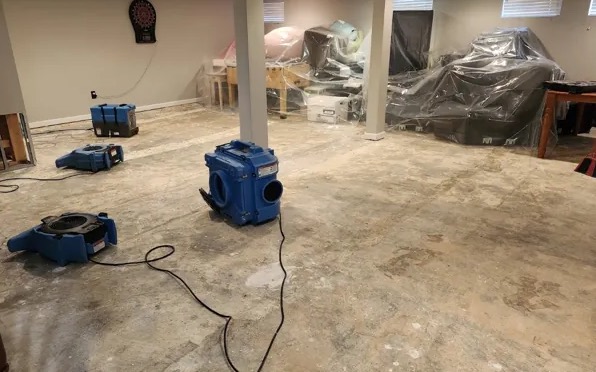
Local Antimicrobial Treatment Services for Harvard Properties
Antimicrobial Treatment Services in Harvard are most often needed after a sewage backup, a flood or a leak that went unnoticed for days. Those are the situations where surfaces are likely to carry contamination or odor.
In Harvard, antimicrobial treatment is usually part of a larger water damage job. Local antimicrobial treatment pros serve Harvard, Bolton, Lancaster and Clinton, treating framing, subfloors and hard surfaces once drying is complete.
Antimicrobial Treatment Services in Harvard
Kitchen Surface Disinfection
After a dishwasher, sink or refrigerator leak, the cabinet floors, toe kicks and wall behind them are dried and then cleaned and disinfected.
Crawl Space Antimicrobial Treatment
Crawl spaces stay damp after a plumbing leak. Once standing water is removed and the space dried, joists and subfloor are treated with an antimicrobial.
Basement Mold Prevention Treatment
After water is pumped out and the basement dried, an antimicrobial is applied to lower walls, framing and the slab where water sat.
HVAC Duct Sanitization
After water reaches ductwork, from a flood or a leaking air handler, accessible duct surfaces are cleaned and treated, and badly soiled flexible duct may be replaced.
Bathroom Mold Treatment
Damaged caulk and stained drywall near a shower are removed, the area is dried, and an antimicrobial is applied before new materials go in.
When to Consider Antimicrobial Treatment Services in Harvard
Discoloration or Staining on Walls
Yellow or brown stains on walls and ceilings point to water that soaked in and may have carried dirt or contamination.
Condensation on Windows or Pipes
Constant condensation on windows or cold pipes means the air is damp, which keeps surfaces wet and slow to dry.
Stains Found During Repairs
Dark or damp framing found when opening a wall or floor is a common reason to dry and treat before closing it up.
Poor Airflow From HVAC Vents
A musty smell from vents or weak airflow can mean moisture reached the ductwork or air handler.
How Antimicrobial Treatment Services Work in Harvard
Step 1: Site Evaluation
The pros look at how long materials were wet, the type of water involved and where moisture remains.
Step 2: HEPA Vacuuming and Dry Cleaning
Loose debris and dust are removed with HEPA vacuums before any liquid product is applied.
Step 3: Wet Cleaning With Disinfectant Solutions
Surfaces are scrubbed or wiped with a disinfectant suited to the material and the contamination.
Step 4: Preventative Treatment and Documentation
A final antimicrobial coat is applied where needed, and photos and product details are recorded.
Factors Contributing to Surface Sanitizing Issues in Harvard
Condensation on Cold Surfaces
Warm, humid air condensing on cold pipes, ducts and windows keeps nearby surfaces wet.
Inadequate Drying After Water Damage
Water damage that was mopped up but never fully dried leaves moisture inside walls and under floors.
Roof Leaks and Poor Ventilation
Roof leaks let water into attics and ceilings, where poor airflow keeps insulation and wood damp for days.
Foundation Cracks and Groundwater
Groundwater seeping through foundation cracks keeps lower walls and slabs wet over long periods.
Antimicrobial Treatment Services for All Property Types in Harvard
Residential Antimicrobial Treatment Services
Families with children or pets should ask which product is used and how long to stay out of treated rooms. The pros follow the label directions for re-entry.
Commercial Antimicrobial Treatment Services
In food service and medical settings, disinfection must match the surface and the business rules for that space. The products and steps are explained before work begins.
DIY Limitations Versus Professional Antimicrobial Treatment Services in Harvard
Never clean up sewage without gloves, eye protection and boots. For any backup larger than a small spill, it is safer to call local antimicrobial treatment pros.
What Influences Antimicrobial Treatment Services Cost in Harvard
A sewage backup in Harvard costs more to treat than a clean water leak, because more material is removed and every surface it touched is disinfected.
Service Type Complexity
Fogging a whole room costs more than spot treatment of framing after a small leak.
Affected Square Footage
Larger treated areas need more product, more cleaning time and more labor.
Emergency Service Timing
After-hours response to a sewage backup can cost more than a scheduled visit.
Does Insurance Cover Antimicrobial Treatment Services?
Coverage for antimicrobial treatment services varies from policy to policy. The pros document the work and the materials treated, but your insurer decides what is covered and what is not.
Why Choose Local Pros for Antimicrobial Treatment Services in Harvard
Documentation for Insurance
The product used, the areas treated and photos are recorded for your insurer.
Post-Treatment Checks
Moisture readings and a final walk-through confirm the area is dry and clean before rebuilding.
Containment to Prevent Cross-Contamination
Plastic sheeting and controlled airflow keep contamination out of clean rooms during work.
24/7 Antimicrobial Treatment Services Response in Harvard, MA
Sewage backup in Harvard? Keep everyone out of the area, do not run water in the house and call (508) 219-6294. Help for contaminated water is available 24/7.
Call Now (508) 219-6294Antimicrobial Treatment Services Near Harvard: Areas Served
Help with antimicrobial treatment services is also available in communities near Harvard, including Bolton, Lancaster and Clinton, after leaks, floods and sewage backups.
- Antimicrobial Treatment Services in Bolton
- Antimicrobial Treatment Services in Lancaster
- Antimicrobial Treatment Services in Clinton
- Antimicrobial Treatment Services in Leominster
- Antimicrobial Treatment Services in Lunenburg
- Antimicrobial Treatment Services in Framingham
- Antimicrobial Treatment Services in Marlborough
- Antimicrobial Treatment Services in Sterling
- Emergency Damage Restoration in 01451
- Storm Damage Restoration in 01451
- Water Damage Restoration in 01451
- Water Extraction Service in 01451
- Water Leak Detection in 01451
- Water Removal Service in 01451
Answers to Top Antimicrobial Treatment Services Questions
How do I know if I need mold remediation antimicrobial treatment?
If framing or subfloor stayed wet for days, shows dark spots after drywall removal or smells musty, it likely needs cleaning and treatment after drying.
What is included in a standard antimicrobial treatment service?
Removing materials that cannot be saved, drying the area, cleaning remaining surfaces and applying an EPA-registered antimicrobial to wood, concrete and other hard materials.
What is the difference between disinfecting and sanitizing surfaces?
Sanitizing lowers germs on a surface. Disinfecting kills a wider range of germs as listed on the product label. Sewage cleanup calls for disinfection.
What is the purpose of antimicrobial treatment in a crawl space?
To slow microbial growth on wood that got wet, once the space is dried and the moisture source is fixed.
How soon after a flood should post flood disinfection begin?
Right after the water is removed and soaked materials are taken out. Surfaces are cleaned first, then disinfected and dried.